THE BIGGEST PITFALLS OF BLACK FRIDAY
Black Friday often triggers a wave of excitement and a fear of missing out, which can easily cloud judgment and encourage us to buy things we don’t actually need.
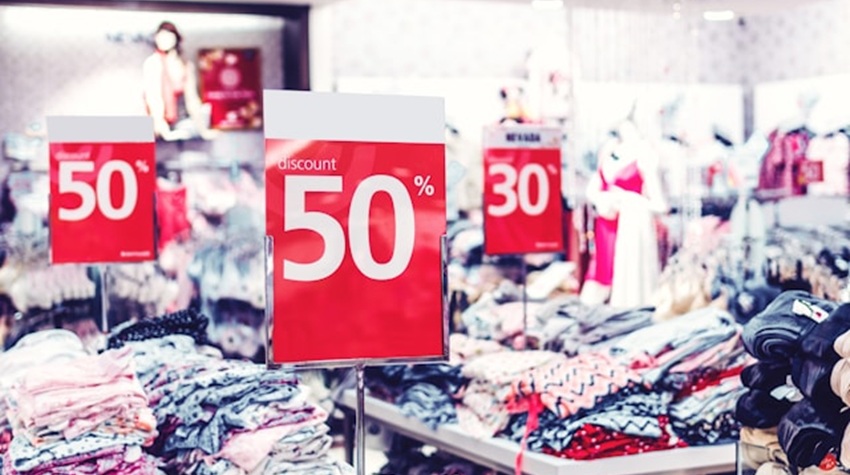
A combination of emotional impulses, marketing pressure, and the feeling that a “real opportunity is available only today” frequently leads to excessive and impulsive spending, psychologist Antonija Šudić Leko told FENA.
“Black Friday activates very powerful psychological mechanisms, such as a sense of urgency, fear of missing out, and excitement over a potential ‘great deal.’ The brain works faster in those moments, though not necessarily smarter. The dopamine reward system is also activated—simply anticipating a purchase boosts excitement, which temporarily lifts mood. That’s why people can feel better even before they start shopping on Black Friday, which can result in higher spending because of the intense stimuli, strong emotions, and reduced rational control,” Šudić Leko explained.
Although, according to Saša Marić, the Consumer Protection Ombudsman in BiH, Black Friday discounts in the country tend to be modest, Šudić Leko notes that even small discounts can “push” us to buy if they appear more valuable due to being available “only today.”
“We also face social pressure—we know that ‘everyone is buying something,’ and that sense of belonging increases our desire to participate, especially if we are part of a larger group where people have been talking about it for days and tracking discounts through apps. On top of that, marketing prepares us for days in advance, reminding us constantly that Black Friday is a day to shop. You can notice it yourself—wherever you look, there’s an ad for it. For some people, shopping is a way to reduce stress or reward themselves, regardless of the discount. In other words, we often buy more because it feels like an ‘opportunity,’ not because the price is truly special,” the psychologist said.
She adds that the reasons behind buying items that are not heavily discounted—or that we simply don’t need—lie in a combination of cognitive distortions and emotional impulses.
“This includes the already mentioned fear of missing out (FOMO), which makes a person overestimate the potential ‘loss’ if they don’t buy something now. Then there is loss aversion, which makes even a small discount feel like something we shouldn’t miss, while the illusion of rationality creates a sense that we’re making a smart decision. Deep down, there’s a sentence we rarely say out loud but often feel: ‘When something is on sale, I feel like I have permission to spend,’” Šudić Leko said.
She emphasized that Black Friday can worsen financial stress and feelings of guilt after shopping.
“After the initial excitement and good mood, a drop often follows, and for some, a strong feeling of guilt, shame, or financial worry. The riskiest situation is when impulsive shopping becomes a way to regulate negative emotions, because in those cases, the short relief turns into long-term stress. If someone is already under financial pressure, Black Friday can trigger an even greater sense of overwhelm and failure,” she added.
Šudić Leko also notes that impulsive buying can have long-term psychological consequences, as a person may become accustomed to regulating emotions through spending, turning shopping into their primary coping mechanism.
“This eventually increases impulsivity—over time, purchases happen more easily and more quickly, which naturally leads to financial stress connected with anxiety, tension, and avoiding awareness of one’s finances. If the pattern isn’t broken, impulsive shopping can become an automatic response to any form of stress or boredom. It’s normal to want to buy something on Black Friday, since discounts create a sense of opportunity and excitement. Still, all these factors can easily cloud our judgment, making us end up with things we don’t need or that burden our budget. That’s why it’s important to slow down, check whether we truly need something, and shop consciously, not impulsively,” she said.
Consumer Protection Ombudsman Saša Marić warned ahead of Black Friday about various traps, such as fake discounts and fraudulent online stores, noting that discounts in Bosnia and Herzegovina are significantly more modest compared to other countries.
“On Black Friday, it is common elsewhere for average discounts to be 60 percent or more, with the lowest around 30 to 40 percent and some rare discounts reaching as high as 90 percent, which can be worth it for customers who sometimes wait 24 to 48 hours in lines. In BiH, discounts are more modest and resemble those seen throughout the rest of the year—between 10 and 30 percent—with very few exceeding 50 percent,” the ombudsman said.
He especially warned about fake online stores, emphasizing that purchases made through social media—due to lack of receipts and the impossibility of filing complaints—pose a major risk regardless of the discounts.
He also pointed to another common trap related to promotions such as “Buy 1, get 2,” noting that these bundles often include unnecessary extras that increase the total cost for consumers. For this reason, it’s important for shoppers to consider whether they truly need such a quantity, no matter how “super” the discount may seem.
Therefore, ahead of Black Friday, consumers are advised to make a list of what they genuinely need, set a maximum spending limit and stick to it, track prices throughout October and November, and buy only from reputable and authorized retailers.

Join our
Viber Community
TRAVELING BY CAMPERVAN FOR THE FIRST TIME? HERE’S WHAT YOU SHOULD KNOW BEFORE YOU GO

NEW RAIL LINK BETWEEN REPUBLIKA SRPSKA AND SERBIA: DAILY TRAIN SERVICE FROM ZVORNIK TO BELGRADE
‘DRŽAVNI POSAO’ CREW FILMS NEW PROJECT IN TREBINJE

SEE SRPSKA RECEIVES CHARTER FROM BANJA LUKA TOURIST ORGANIZATION
GALIJA TO CELEBRATE MAJOR ANNIVERSARY IN BANJA LUKA
NEW RAIL LINK BETWEEN REPUBLIKA SRPSKA AND SERBIA: DAILY TRAIN SERVICE FROM ZVORNIK TO BELGRADE
SEE SRPSKA RECEIVES CHARTER FROM BANJA LUKA TOURIST ORGANIZATION
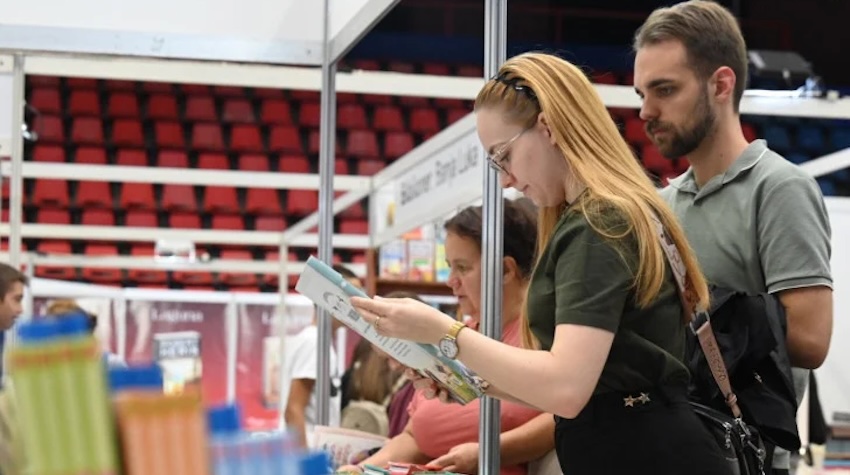
BANJA LUKA BOOK FAIR 2026 OPENS TODAY
DAYS OF SEMBERIJA IN AUSTRIA: CULTURE, TRADITION AND LOCAL PRODUCTS PRESENTED TO AUSTRIAN AUDIENCES

FROM EUROPEAN STAGES TO HER HOMETOWN: JOVANA RALJIĆ BRINGS VIVALDI TO BANJALUKA

 The situation at the border crossings