FESTIVALS IN FORTRESSES: BEACONS OF CREATIVITY AND FREEDOM
As the global festival scene grows increasingly commercialized and crowded, a distinct trend is emerging—festivals held within ancient fortresses. These unique gatherings stand out for their authenticity, cultural richness, and unforgettable atmosphere.

Across
Europe, historic structures once associated with sieges and isolation are now
transforming into vibrant havens of art, freedom, and creativity. Within walls
that have withstood centuries of conflict, today echo the sounds of electronic
beats, jazz riffs, metal guitars, and traditional instruments. Fortresses don’t
just host festivals—they redefine them, blurring the line between past and
present.
THE
FORTRESS AS A MUSICAL INSTRUMENT
Rather
than using these historic spaces as mere backdrops, fortress festivals embrace
them as active participants in the artistic experience. Thick stone walls,
elevated bastions, and hidden tunnels become acoustic elements that shape the
soundscape. From Banja Luka’s Kastel and Portugal’s Montemor-o-Velho to Bonțida
in Romania and Jaroměř in the Czech Republic, fortress festivals offer a
one-of-a-kind ambiance no concert hall or urban square can replicate.
At
Portugal’s “Forte” Festival, held within a 12th-century national monument,
renowned Berlin DJ Ben Klock described his set by saying, “I wasn’t just
playing music—I felt like I was having a conversation with the walls. The sound
bounced back like a dialogue.”
For
performers, these venues are more than visually stunning—they’re creatively
inspiring.
CULTURAL
FREEDOM INSIDE STONE WALLS
Novi
Sad’s EXIT Festival is a flagship example. Since its founding in 2000, the
Petrovaradin Fortress—once a symbol of military dominance—has become a beacon
of cultural liberty, welcoming over 200,000 visitors each July from around the
globe.
Similarly,
Banja Luka’s Kastel Fortress transforms every summer into the city’s cultural
heartbeat through the “Freshwave” Festival and other concerts. This Roman-era
site becomes a nexus for lovers of electronic music and visual arts, merging
local heritage with global trends.
These
festivals are more than just music—they fuel economies, shape identities, and
reinvent the community’s relationship with its heritage. Cities like Bonțida,
Jaroměř, Montemor-o-Velho, Singen (Germany), and Catoire (Spain) have all
reported tourism growth, urban revitalization, and rising international
recognition thanks to fortress-based events.
A
MAGIC STADIUMS CAN’T REPLICATE
Performing
within fortress walls is both an aesthetic and emotional challenge. “The
audience is close, the walls breathe, and history watches you,” said singer LP
after her performance at Romania’s Electric Castle Festival.
What stadiums
offer in size, fortresses compensate with soul. Audiences at these festivals
feel part of something greater—a centuries-long story they’re now helping to
write.
ECONOMIC
BOOST AND SOCIAL IMPACT
These
events bring more than entertainment. They generate income, attract tourists,
support artisans and local producers, and breathe new life into forgotten
landmarks.
In
Bonțida, home of Electric Castle, overnight stays have tripled in July. In
Jaroměř, the “Brutal Assault” metal festival brings record foot traffic to
local museums and restaurants. In Banja Luka, “Freshwave” significantly
contributes to the city’s economy, boosting tourism and local
commerce—particularly important for the development of small and medium-sized
enterprises.
At a
time when authenticity is rare, fortress festivals offer a space where culture,
music, and history stand side by side. They are not just a response to
audiences' demand for new experiences—they are tools for cities to rediscover
themselves and carve out a new place on Europe’s cultural map.
These
festivals are no passing trend. They are a return to our roots—with a bold look
toward the future.

Join our
Viber Community
TRAVELING BY CAMPERVAN FOR THE FIRST TIME? HERE’S WHAT YOU SHOULD KNOW BEFORE YOU GO
NEW RAIL LINK BETWEEN REPUBLIKA SRPSKA AND SERBIA: DAILY TRAIN SERVICE FROM ZVORNIK TO BELGRADE
‘DRŽAVNI POSAO’ CREW FILMS NEW PROJECT IN TREBINJE
SEE SRPSKA RECEIVES CHARTER FROM BANJA LUKA TOURIST ORGANIZATION
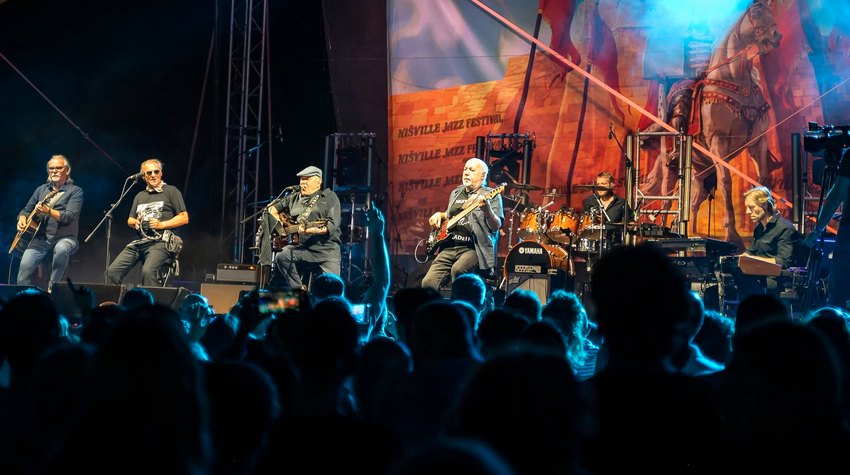
GALIJA TO CELEBRATE MAJOR ANNIVERSARY IN BANJA LUKA
NEW RAIL LINK BETWEEN REPUBLIKA SRPSKA AND SERBIA: DAILY TRAIN SERVICE FROM ZVORNIK TO BELGRADE
SEE SRPSKA RECEIVES CHARTER FROM BANJA LUKA TOURIST ORGANIZATION
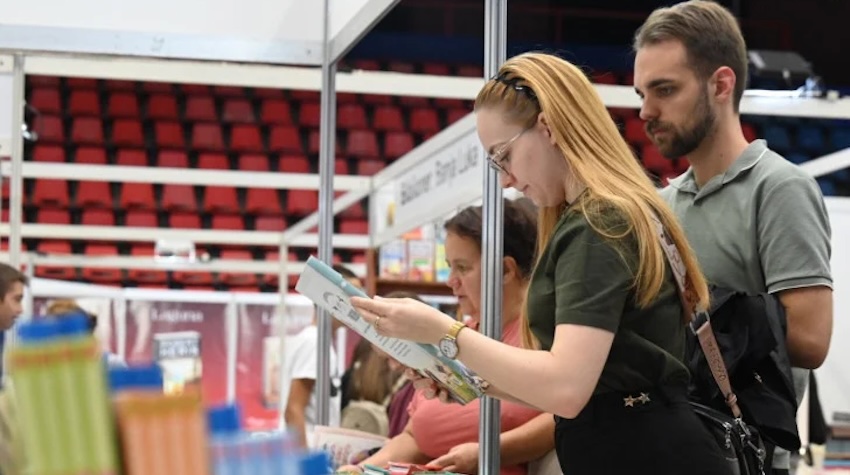
BANJA LUKA BOOK FAIR 2026 OPENS TODAY
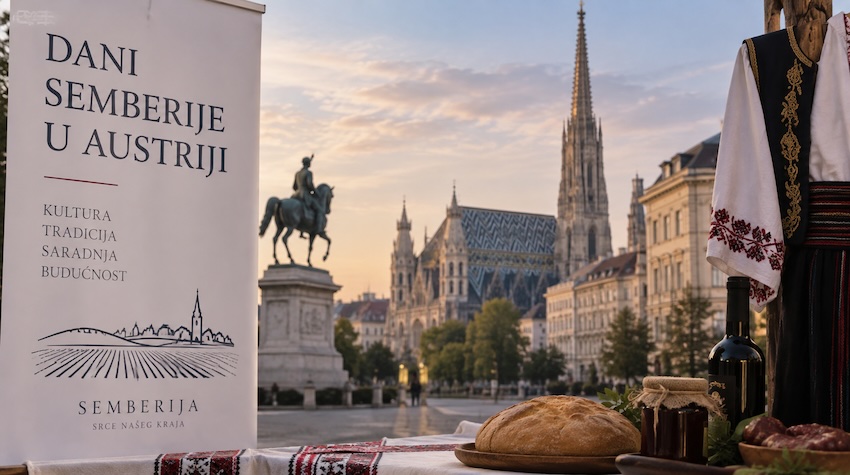
DAYS OF SEMBERIJA IN AUSTRIA: CULTURE, TRADITION AND LOCAL PRODUCTS PRESENTED TO AUSTRIAN AUDIENCES
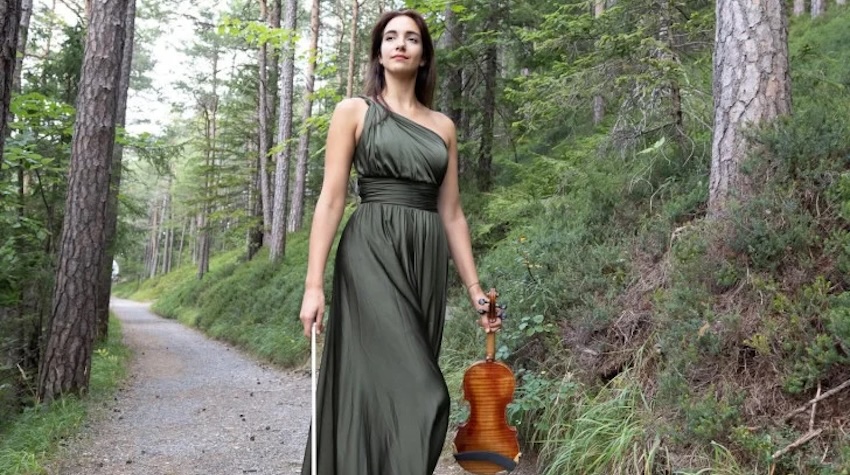
FROM EUROPEAN STAGES TO HER HOMETOWN: JOVANA RALJIĆ BRINGS VIVALDI TO BANJALUKA

 The situation at the border crossings