ARE HOTEL RESTAURANTS EXPERIENCING A RENAISSANCE?
Hotel restaurants are undergoing a true revival in 2025 and 2026, transforming from a secondary amenity into a central pillar of the overall travel experience. Today’s guests no longer choose a hotel solely for the room—they seek high-quality gastronomy and distinctive culinary experiences that blend luxury, local authenticity, and innovation.
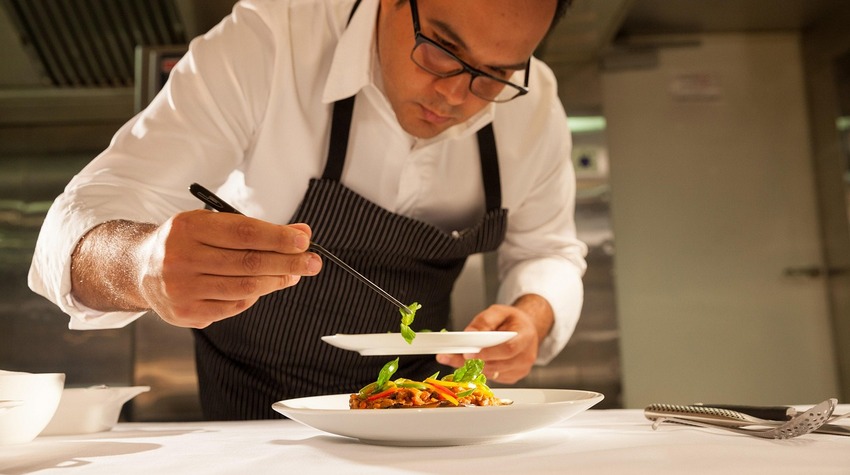
An
increasing number of hotels are opening fine dining restaurants led by
Michelin-starred or award-winning chefs. These restaurants are often designed
as independent venues, featuring separate entrances, open kitchens, and
interiors that move beyond the traditional “hotel” aesthetic. This approach
attracts local residents as regular guests, while hotel visitors enjoy a
refined and highly personalized sense of luxury.
Modern
hotel restaurants focus on seasonal menus based on locally sourced ingredients,
carefully curated to showcase regional cuisines and culinary traditions.
Interactive service concepts and meticulous attention to detail make hotel
dining not only appealing but also memorable.
Fine Dining as Part of the Hotel Experience
More
travelers are choosing hotels specifically because of their gastronomic
offerings. Luxury properties increasingly provide several restaurant concepts
at different price points, allowing guests to combine authentic local dishes,
innovative recipes, and seasonal specialties without leaving the hotel.
Positive
reviews of hotel restaurants have risen by more than 40 percent, while
exclusive reservation options for hotel guests significantly increase the
likelihood of repeat visits during a stay. Today, the hotel restaurant is no
longer an add-on—it has become the heart of the guest experience.
Hotel Fine Dining Trends for 2026
- Looking
ahead, hotel fine dining in 2026 is experiencing a renaissance in a
contemporary form:
- Restaurants
are becoming a key attraction of hotels, open and appealing to local guests as
well
- Strong
emphasis is placed on authentic culinary storytelling, local ingredients, and
regional specialties
- Hotel
restaurants are evolving into inclusive and socially relevant spaces that
connect tourists with the local community
- Technology
and menu personalization are enhancing both guest experience and operational
efficiency
- Guests
increasingly seek unique gastronomic concepts that stand out from traditional
city restaurants
Hotel Fine Dining in the Region
Across
the region, hotel fine dining is seeing significant growth and is increasingly
recognized as a crucial element of the tourism experience. In Belgrade and
other major cities, hotel restaurants are offering authentic menus based on
local ingredients, modern cuisine, and a luxurious yet approachable atmosphere.
Michelin and other prestigious guides are more frequently recommending hotels
and their restaurants, confirming their international quality and appeal to
foreign visitors.
In
Croatia, particularly in Istria and the Kvarner region, fine dining hotels use
gastronomy as a strategic branding tool. Michelin-awarded restaurants and
luxury hotels attract travelers seeking top-tier culinary experiences, while
Slovenia continues to build a strong gastronomic identity rooted in local and
sustainable products.
Overall,
the region is clearly witnessing a renaissance of hotel fine dining. Guests
expect exceptional cuisine, innovative menus, and authentic experiences, while
hotels are investing in restaurants as a central part of their offer. Despite
ongoing challenges in professionalization and promotion, the potential for
further growth and international recognition is strong—confirming that hotel
gastronomy in 2026 is becoming an essential attraction.
Hotel
fine dining in 2026 is not merely a return to luxury; it represents a full
transformation of hotel gastronomy. Hotel restaurants are emerging as
standalone destinations, offering authentic experiences, innovative cuisine,
and high standards of service. This trend confirms that luxury hotel
restaurants are not only surviving, but evolving into an indispensable part of
modern travel and the contemporary culinary scene.

Join our
Viber Community

TRAVELING BY CAMPERVAN FOR THE FIRST TIME? HERE’S WHAT YOU SHOULD KNOW BEFORE YOU GO

NEW RAIL LINK BETWEEN REPUBLIKA SRPSKA AND SERBIA: DAILY TRAIN SERVICE FROM ZVORNIK TO BELGRADE

‘DRŽAVNI POSAO’ CREW FILMS NEW PROJECT IN TREBINJE

SEE SRPSKA RECEIVES CHARTER FROM BANJA LUKA TOURIST ORGANIZATION

GALIJA TO CELEBRATE MAJOR ANNIVERSARY IN BANJA LUKA
NEW RAIL LINK BETWEEN REPUBLIKA SRPSKA AND SERBIA: DAILY TRAIN SERVICE FROM ZVORNIK TO BELGRADE
SEE SRPSKA RECEIVES CHARTER FROM BANJA LUKA TOURIST ORGANIZATION

BANJA LUKA BOOK FAIR 2026 OPENS TODAY
DAYS OF SEMBERIJA IN AUSTRIA: CULTURE, TRADITION AND LOCAL PRODUCTS PRESENTED TO AUSTRIAN AUDIENCES

FROM EUROPEAN STAGES TO HER HOMETOWN: JOVANA RALJIĆ BRINGS VIVALDI TO BANJALUKA


 The situation at the border crossings