REPUBLIC OF SRPSKA PRESERVES THREE PRIMEVAL FORESTS
Primeval forests are forests composed of trees of different sizes and ages that have developed naturally, without human influence. In them, natural processes take place from germination to the natural decay of trees and the cycles that follow. Because of this, they are formed as unique and valuable ecosystems.

The Republic of Srpska is among the very few places in Europe that still preserve true natural forests, known as primeval forests, consisting mainly of mixed stands of spruce, fir and beech.
In the Republic of Srpska, three primeval forests have been preserved: Perućica, Janj and Lom.
The Perućica Primeval Forest (1,434 ha) is one of the largest and best-preserved primeval forests in Europe. It is located within Sutjeska National Park, stretching across the southern Dinaric Alps in the southeastern part of the Republic of Srpska.
The Janj Primeval Forest lies in the western part of the Republic of Srpska, in the municipality of Šipovo, on the western slopes of the Stolovaš massif.
The Lom Primeval Forest is also situated in western Republic of Srpska, on the mountain massif of Klekovača, along the ridge of Mount Lom, at elevations ranging from 1,250 to 1,522 meters above sea level.
Today, these primeval forests are considered extremely rare natural phenomena in Europe and are highly valued, since in most European countries they disappeared long ago. In many places, the importance of primeval forests was realized too late — only after they had already vanished.

Join our
Viber Community
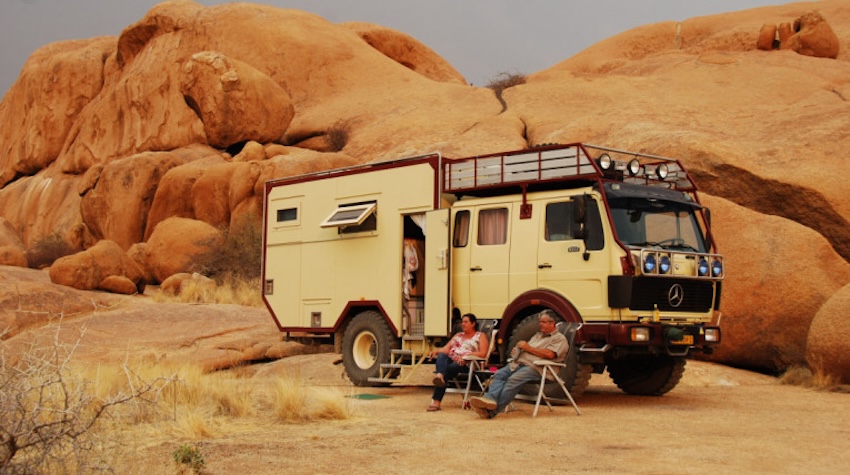
TRAVELING BY CAMPERVAN FOR THE FIRST TIME? HERE’S WHAT YOU SHOULD KNOW BEFORE YOU GO

NEW RAIL LINK BETWEEN REPUBLIKA SRPSKA AND SERBIA: DAILY TRAIN SERVICE FROM ZVORNIK TO BELGRADE
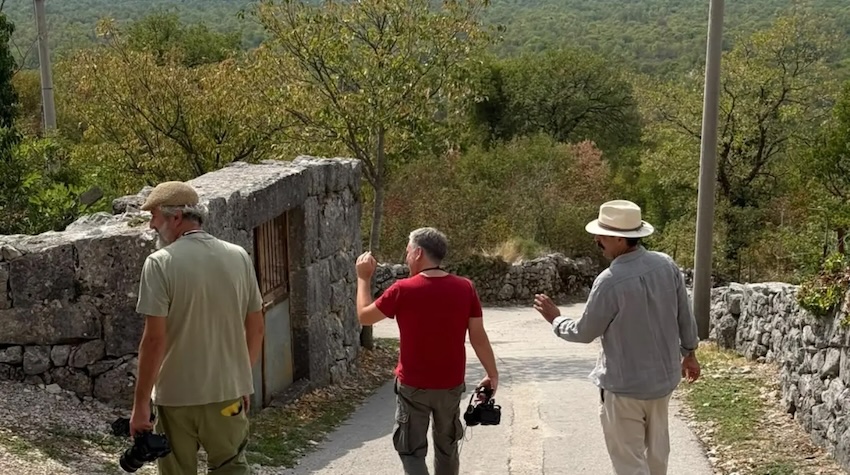
‘DRŽAVNI POSAO’ CREW FILMS NEW PROJECT IN TREBINJE
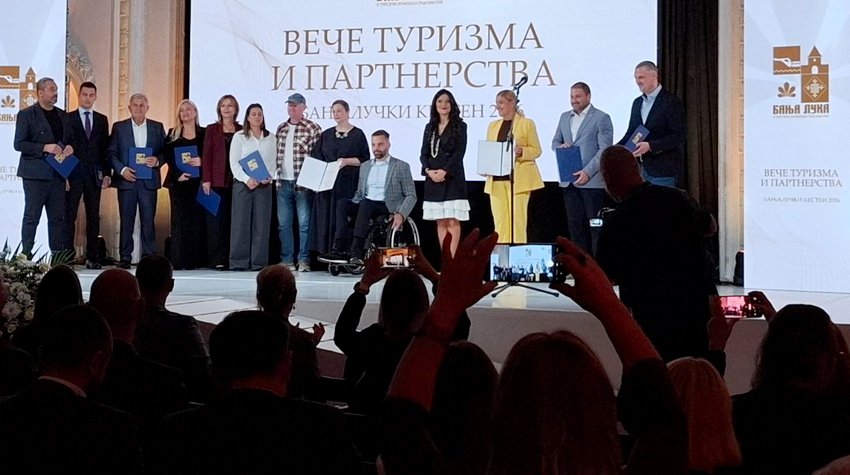
SEE SRPSKA RECEIVES CHARTER FROM BANJA LUKA TOURIST ORGANIZATION
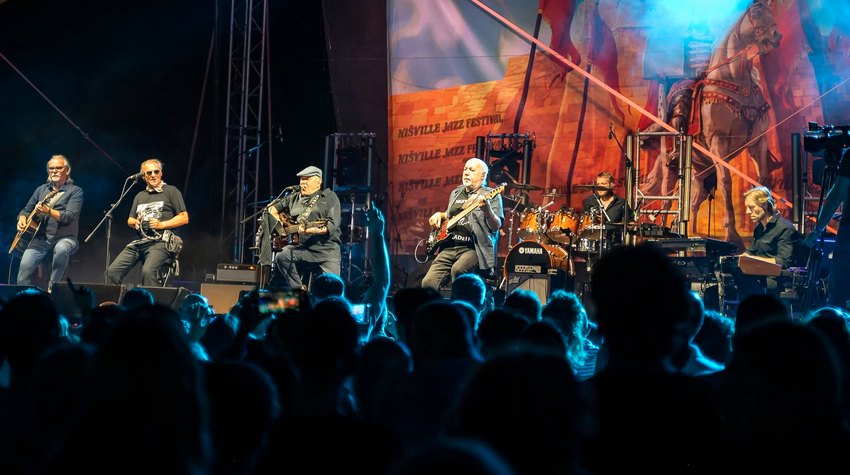
GALIJA TO CELEBRATE MAJOR ANNIVERSARY IN BANJA LUKA
NEW RAIL LINK BETWEEN REPUBLIKA SRPSKA AND SERBIA: DAILY TRAIN SERVICE FROM ZVORNIK TO BELGRADE
SEE SRPSKA RECEIVES CHARTER FROM BANJA LUKA TOURIST ORGANIZATION

BANJA LUKA BOOK FAIR 2026 OPENS TODAY
DAYS OF SEMBERIJA IN AUSTRIA: CULTURE, TRADITION AND LOCAL PRODUCTS PRESENTED TO AUSTRIAN AUDIENCES
FROM EUROPEAN STAGES TO HER HOMETOWN: JOVANA RALJIĆ BRINGS VIVALDI TO BANJALUKA


 The situation at the border crossings