FROM TRADITION TO TECHNOLOGY IN GRABIK ILOVA
Prnjavor is known as one of the leading local communities in milk production. Among the many producers who dedicate themselves daily to preserving and advancing this branch of livestock farming is young Dejan Simić from the village of Grabik Ilova.

His story doesn't begin yesterday – the first cows in the Simić household were brought in by his grandfather back in 1979.
"My grandfather started with around 15 cows, worked until the war broke out, and then my parents restarted in 2003 with three cows, then five, and here we are today," says Dejan, adding that it hasn’t been easy all these years.
Like any serious producer, the Simić family knows that stable and quality production can’t be expected without investments. At the end of 2019, they built a new, modern facility.
"Today we have 110 head of cattle, 55 of which are dairy cows, while the rest are calves and heifers. The modern facility we built has improved milk production and made the environment more comfortable for the animals," Dejan explains.
Prices Holding Them Back
At the Simić farm, around 1,300 liters of milk are produced daily – about 450,000 liters annually. The family is a member of the Association of Agricultural Producers – Dairy Farmers of Republika Srpska, which initiated the construction of a dairy plant in Prnjavor.
Robotic Milking on the Horizon
“There is no survival in dairy farming without constant investment,” says Dejan, emphasizing that they wouldn't have made it without support from the Ministry of Agriculture. They receive subsidies per liter of milk, as well as support for capital investments, machinery, and facilities.
"Agriculture Isn’t Peasant Work Anymore – It Takes Smarts"
"This year, we plan to invest in robotic milking – to get a robot that will ease the workload and benefit the cows by increasing milk yield. We’re planning to raise the number of dairy cows to 70 with this robotization,” reveals Dejan, who works the land with his father – about 70 hectares in total, 35 of which are under corn.
For now, there are no plans to expand further – a lack of labor, he concludes, dictates everything.

Join our
Viber Community
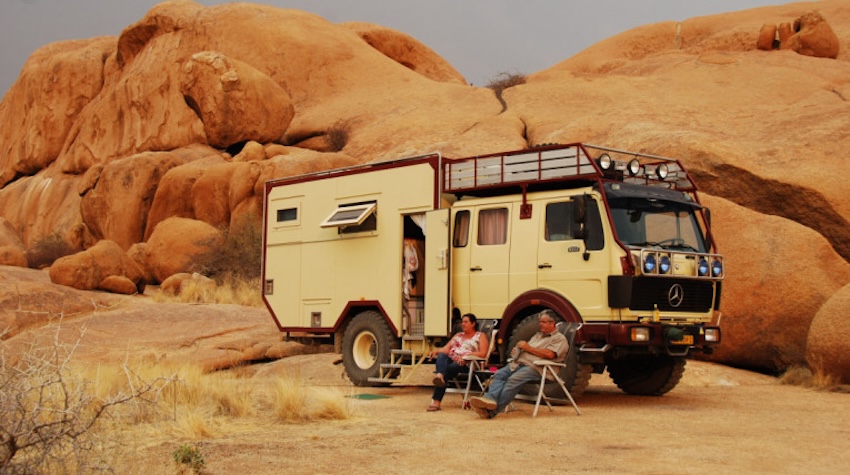
TRAVELING BY CAMPERVAN FOR THE FIRST TIME? HERE’S WHAT YOU SHOULD KNOW BEFORE YOU GO
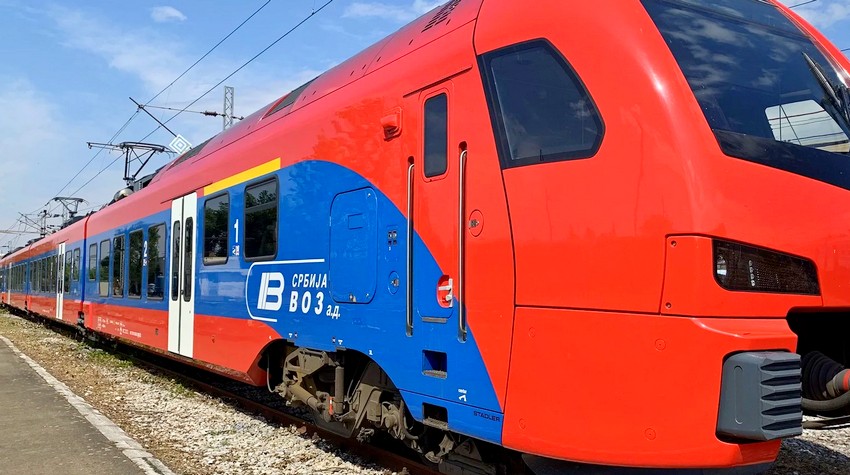
NEW RAIL LINK BETWEEN REPUBLIKA SRPSKA AND SERBIA: DAILY TRAIN SERVICE FROM ZVORNIK TO BELGRADE
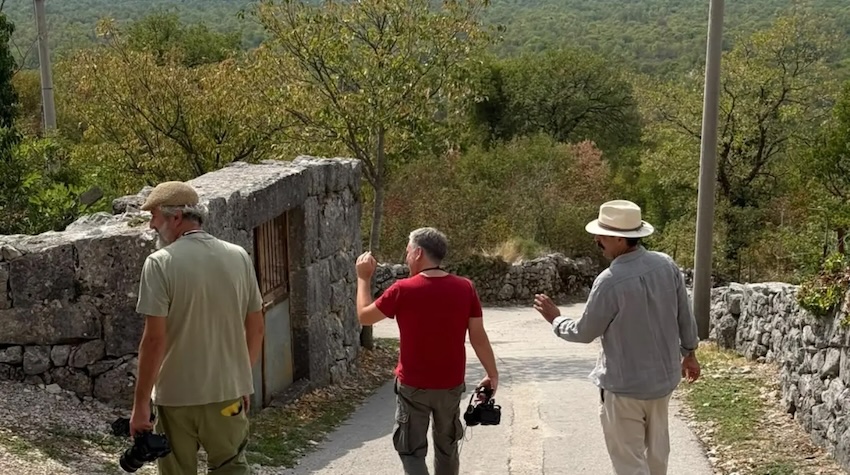
‘DRŽAVNI POSAO’ CREW FILMS NEW PROJECT IN TREBINJE
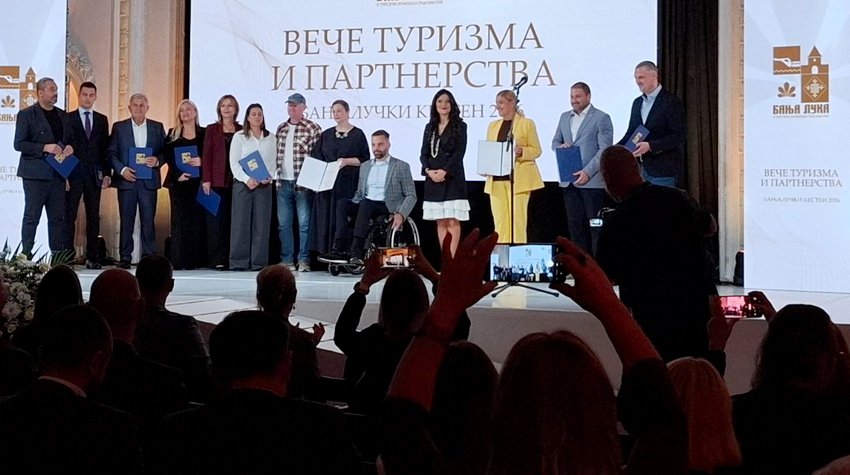
SEE SRPSKA RECEIVES CHARTER FROM BANJA LUKA TOURIST ORGANIZATION
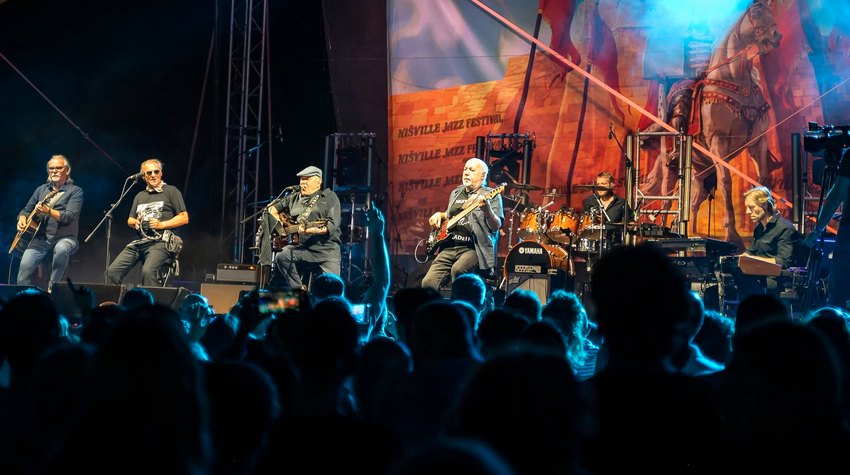
GALIJA TO CELEBRATE MAJOR ANNIVERSARY IN BANJA LUKA
SEE SRPSKA RECEIVES CHARTER FROM BANJA LUKA TOURIST ORGANIZATION
NEW RAIL LINK BETWEEN REPUBLIKA SRPSKA AND SERBIA: DAILY TRAIN SERVICE FROM ZVORNIK TO BELGRADE
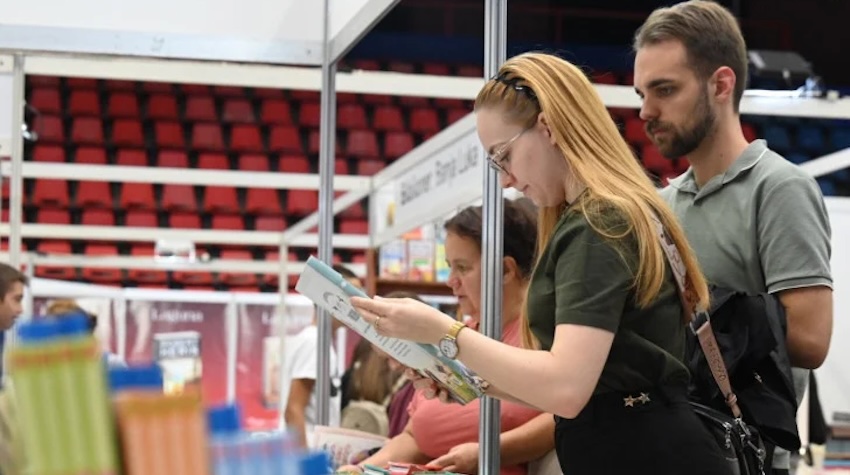
BANJA LUKA BOOK FAIR 2026 OPENS TODAY

DAYS OF SEMBERIJA IN AUSTRIA: CULTURE, TRADITION AND LOCAL PRODUCTS PRESENTED TO AUSTRIAN AUDIENCES
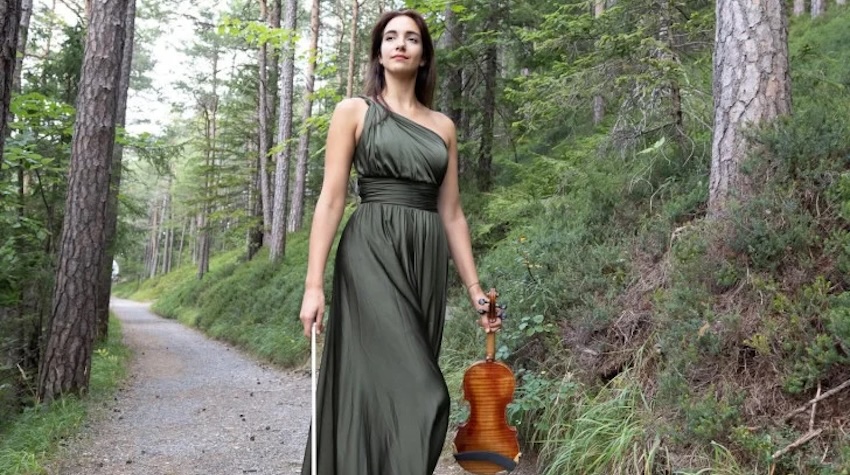
FROM EUROPEAN STAGES TO HER HOMETOWN: JOVANA RALJIĆ BRINGS VIVALDI TO BANJALUKA


 The situation at the border crossings