LIDL EXPANDS RAPIDLY ACROSS BOSNIA AND HERZEGOVINA
In August, construction began on at least three new retail stores in the center of Kiseljak, at the southern entrance to Zenica, and in the center of Kakanj.
.jpg)
The German company has already completed several stores, including two in Sarajevo and one each in Mostar, Gračanica, and Bijeljina, while many more are currently under construction or in preparation.
Official information confirms that Lidl is building stores in Banja Luka, East Sarajevo, Livno, Bihać, Gradiška, and Modriča. The company has also purchased land in Zvornik and Trebinje, with new locations expected soon in Laktaši, Prnjavor, Doboj, and Živinice.
In addition, a €100 million distribution center in Lepenica near Sarajevo is nearing completion.
The company’s plan is to open around 15 stores simultaneously in the largest cities, after which its retail network will continue expanding. In total, at least 30 outlets will be opened across Bosnia and Herzegovina, according to BiznisInfo.
Stores not ready for the first wave of openings will be launched gradually as construction is completed. In some cities, the company faced challenges securing suitable locations and purchasing land.
Last year, Lidl BH operated at a loss of 23.5 million KM, higher than the losses of 18 million KM the previous year and 19.1 million KM in 2022. These losses are mainly linked to employee wages and other operational costs.
However, the company’s assets have significantly increased. Lidl BH’s property value rose to 259 million KM at the end of last year, up from 114 million KM the year before, with the majority related to real estate, plants, and equipment.
Overall, the firm’s assets nearly doubled to 306 million KM, while its capital currently stands at around half a billion KM. The opening of stores is expected within the next two years.

Join our
Viber Community
TRAVELING BY CAMPERVAN FOR THE FIRST TIME? HERE’S WHAT YOU SHOULD KNOW BEFORE YOU GO
NEW RAIL LINK BETWEEN REPUBLIKA SRPSKA AND SERBIA: DAILY TRAIN SERVICE FROM ZVORNIK TO BELGRADE
‘DRŽAVNI POSAO’ CREW FILMS NEW PROJECT IN TREBINJE
SEE SRPSKA RECEIVES CHARTER FROM BANJA LUKA TOURIST ORGANIZATION
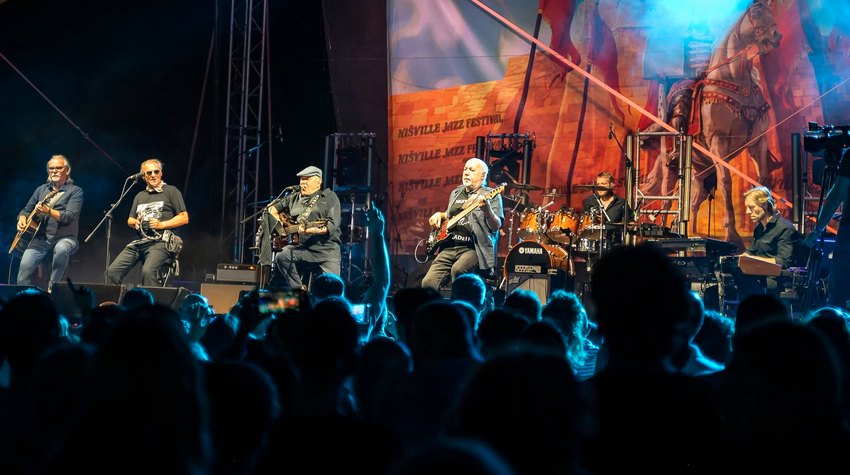
GALIJA TO CELEBRATE MAJOR ANNIVERSARY IN BANJA LUKA
SEE SRPSKA RECEIVES CHARTER FROM BANJA LUKA TOURIST ORGANIZATION
NEW RAIL LINK BETWEEN REPUBLIKA SRPSKA AND SERBIA: DAILY TRAIN SERVICE FROM ZVORNIK TO BELGRADE
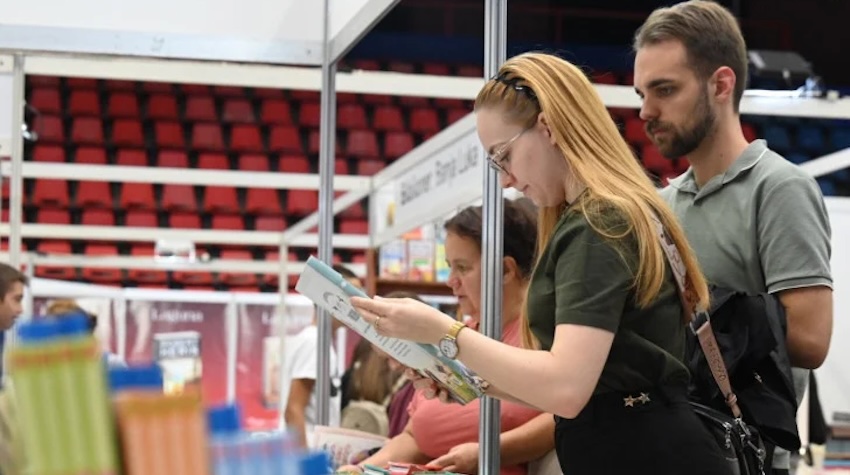
BANJA LUKA BOOK FAIR 2026 OPENS TODAY

DAYS OF SEMBERIJA IN AUSTRIA: CULTURE, TRADITION AND LOCAL PRODUCTS PRESENTED TO AUSTRIAN AUDIENCES

FROM EUROPEAN STAGES TO HER HOMETOWN: JOVANA RALJIĆ BRINGS VIVALDI TO BANJALUKA

 The situation at the border crossings