TOURIST POSTCARD OF MRKONJIĆ GRAD FILLED WITH NATURAL TREASURES
Mrkonjić Grad, a municipality located in the southwestern part of the Republic of Srpska, is known for its rich history, tradition, mountainous landscape, and high-quality plum brandy (šljivovica). Despite suffering destruction during the war, this small town has been reborn thanks to the enthusiasm and persistence of its residents.

Its geographical location and natural wealth have always made Mrkonjić Grad attractive to different peoples throughout history. The Romans built the first significant roads here, and remains of the highway that connected Dalmatia and Pannonia can still be seen today. Along the Roman road, you can find milestones, the Roman well "Jovana Voda," and monuments dedicated to Jupiter.
The medieval history of Mrkonjić Grad is reflected in its many tombstones (over 500) and fortified towns such as Soko, Prizren, and Bočac. The town received its present name in 1924, honoring King Peter I Karađorđević Mrkonjić, who fought in the Bosnian-Herzegovinian uprising.
On November 25, 1943, the First Session of ZAVNOBiH (State Anti-Fascist Council for the National Liberation of Bosnia and Herzegovina) was held in Mrkonjić Grad.
BALKANA AND ZELENKOVAC – MAIN FEATURES OF MRKONJIĆ GRAD
The “Balkana” Tourist and Recreational Center, located just four kilometers from the town, is adorned with two artificial lakes (Veliko and Malo) nestled in the valley of Mount Lisina. Balkana is equally captivating throughout all four seasons, offering visitors a range of activities such as walking, swimming, sunbathing, fishing, skiing, and hiking. The Paragliding Camp on Balkana also attracts extreme sports enthusiasts from various European countries.
The tourist offer is enriched by the event “Balkana Mowing Days – Lazar Laketa Memorial,” a traditional grass-cutting competition using a scythe, held annually for the 31st time this year.
One of the symbols of Mrkonjić Grad is the "Varcarka" scythe, named after the town’s former name, Varcar Vakuf. These scythes have been made for centuries, and the skill of crafting them is carefully preserved and passed down through generations of local blacksmiths.
Zelenkovac, a mountain retreat located in the village of Podrašnica, is another notable attraction. It is a tranquil place surrounded by pine forests, a haven for artists, and home to the soothing sounds of jazz. The Zelenkovac stream flows through the area, once lined with fifteen water mills, one of which was transformed into an art studio by painter Borislav Boro Janković in 1985.
Janković opened an art gallery in the mill, named "Why Didn’t Boro Leave?" In 2002, Zelenkovac was declared an ecological zone, further enhancing its appeal.
Aleksandra Gavrić, a trade and tourism associate in the Agency for Economic Development of Mrkonjić Grad, emphasizes that Zelenkovac offers a serene and almost untouched natural environment, giving visitors the feeling of being miles away from everything. The gallery hosts a rich collection of artworks, and cultural events like the international Jazz Festival attract tourists from around the world.
NATURAL JEWEL OF MRKONJIĆ GRAD – MOUNT LISINA
Mount Lisina, standing at 1,467 meters, is synonymous with the richest and most thoroughly explored mushroom habitats in Bosnia and Herzegovina, with over 1,300 species of mushrooms and 360 freshwater springs. The annual “Mushroom Days” event is held on the last weekend of September, featuring educational activities, mushroom picking, exhibitions, and tastings.
Just 15 kilometers from the town lies Bočac Reservoir, created by the construction of a dam for the Bočac hydroelectric power plant. Its length, width, and depth make it ideal for water sports and recreation. The lake is rich in freshwater fish, including trout, huchen, chub, and more, making it a prized destination for anglers.
VISITOR CENTER “PECKA”
In recent years, the “Pecka” Visitor Center has become an increasingly popular attraction, located in the former primary school in Gornja Pecka. Restored as part of an EU-funded tourism development project, Pecka is the source of the Sana River, and 15 kilometers away, the Pliva River springs to life. Above the center rise a ridge of rocks, now the largest natural climbing area in Bosnia and Herzegovina.
Pecka offers the perfect setting for hiking, climbing, cycling, and exploring nature. The center provides accommodation and meals for up to 60 people. Nearby, in the village of Medna, the remains of monks Seraphim, Avakum, and Mardarije were discovered in 2006, and their relics are now housed in the Church of the Nativity of the Virgin Mary.
GASTRONOMY – BUCKWHEAT DISHES AND PLUM BRANDY
The gastronomy of Mrkonjić Grad includes dishes made from buckwheat and corn flour, such as buckwheat pie, porridge, corn bread, fritters, and traditional roasted lamb and veal. The area is also known for its 43-degree plum brandy.
The annual “Aranđelovdanski Fair,” organized by the Agency for Economic Development in collaboration with the local municipality and the “Petar Kočić” Cultural and Sports Center, features the “Festival of Homemade Brandy,” the Ethno-Festival “Apple” (featuring traditional dishes), the “Golden Fingers” handicrafts exhibition, and Honey Days. The fair promotes and preserves traditional agricultural products, customs, and values in the Republic of Srpska.

Join our
Viber Community
TRAVELING BY CAMPERVAN FOR THE FIRST TIME? HERE’S WHAT YOU SHOULD KNOW BEFORE YOU GO
NEW RAIL LINK BETWEEN REPUBLIKA SRPSKA AND SERBIA: DAILY TRAIN SERVICE FROM ZVORNIK TO BELGRADE
‘DRŽAVNI POSAO’ CREW FILMS NEW PROJECT IN TREBINJE
SEE SRPSKA RECEIVES CHARTER FROM BANJA LUKA TOURIST ORGANIZATION
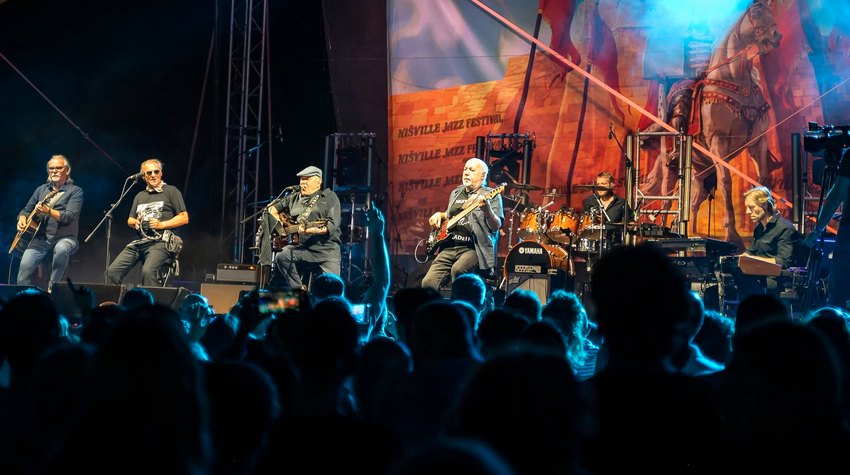
GALIJA TO CELEBRATE MAJOR ANNIVERSARY IN BANJA LUKA
NEW RAIL LINK BETWEEN REPUBLIKA SRPSKA AND SERBIA: DAILY TRAIN SERVICE FROM ZVORNIK TO BELGRADE
SEE SRPSKA RECEIVES CHARTER FROM BANJA LUKA TOURIST ORGANIZATION
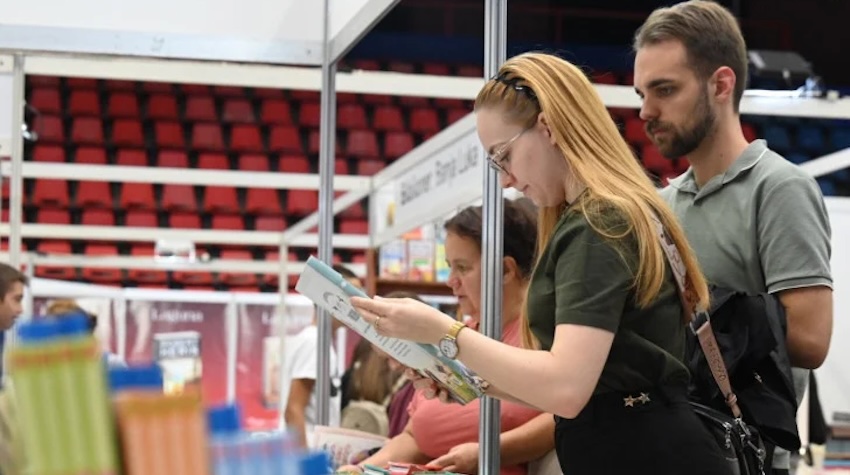
BANJA LUKA BOOK FAIR 2026 OPENS TODAY
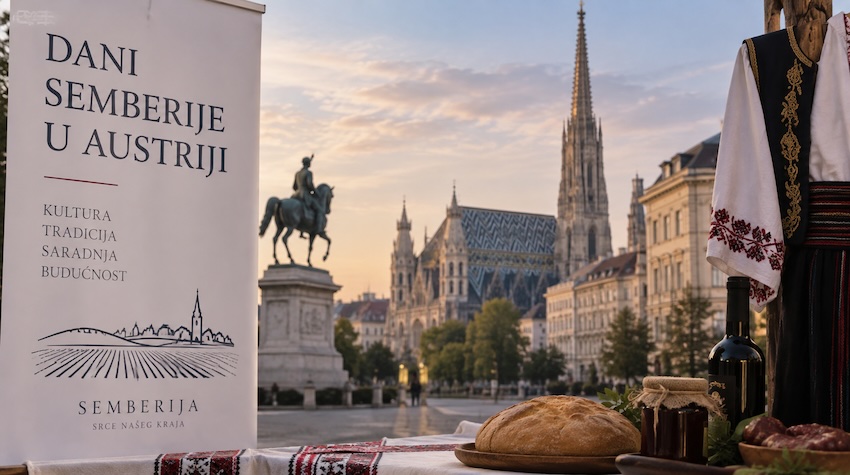
DAYS OF SEMBERIJA IN AUSTRIA: CULTURE, TRADITION AND LOCAL PRODUCTS PRESENTED TO AUSTRIAN AUDIENCES
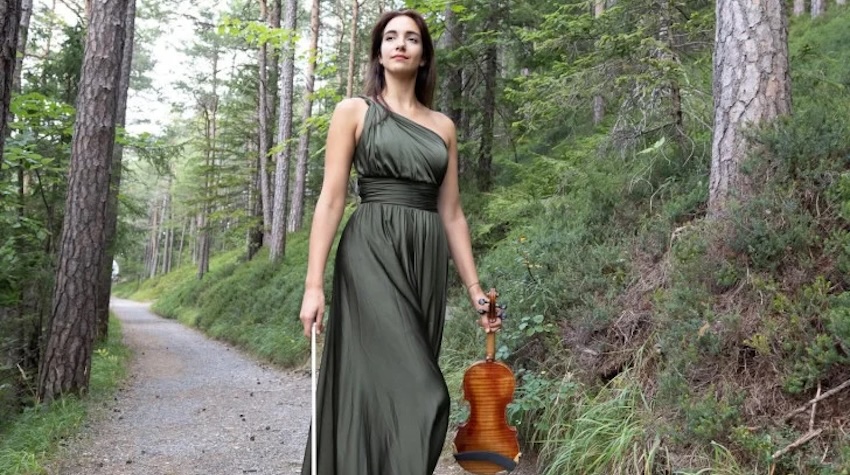
FROM EUROPEAN STAGES TO HER HOMETOWN: JOVANA RALJIĆ BRINGS VIVALDI TO BANJALUKA


 The situation at the border crossings