ROMANIJA AND BIOŠTICA ATTRACT VISITORS FROM TRIGLAV TO ĐEVĐELIJA
SOKOLAC – The municipality of Sokolac is becoming an increasingly popular destination for tourists from across the Balkans, thanks to its stunning natural landscapes and adrenaline-pumping outdoor activities. From the rugged heights of Romania’s "Sokolov Put" via ferrata to the crystal-clear mountain river Bioštica, this region offers something for every nature enthusiast.

One of the key attractions is the via ferrata “Sokolov Put” (Falcon’s Path), a 350-meter-long iron climbing route set against the dramatic Red Rocks (Crvene stijene) on Romanija Mountain. Situated near the border with Pale municipality, the route draws in adventurers and onlookers alike, eager to witness climbers ascend the imposing cliffs.
Equally captivating is the Bioštica River, which winds through Sokolac for over 30 kilometers. Known for its pure, fast-flowing waters—home to otters and beavers—Bioštica is a haven for kayaking and sport fishing. There are even plans to organize rafting tours through the river’s 11-kilometer-long canyon, near the border with the Olovo municipality.
“Stream Fishing Cup” on Bioštica, held each year in the wooded area near the village of Žunovi, gathers over a hundred anglers from Triglav to Đevđelija, many of whom camp along the river with their families for several days.
According to Dragana Vukosavljević from the Sokolac Tourist Organization, mountain biking is also thriving in the area, with more than 200 kilometers of trails, 45 of which are marked and maintained by the local cycling club “Romanija Cycling.” Hundreds of bikers have visited in recent years, expressing amazement at the scenic beauty.
The river Bioštica also supports seasonal kayaking, which has been growing in popularity since the first descent in 2021. The 5-kilometer route passes three waterfalls and an old stone watermill, which still produces flour using traditional grinding stones—a charming detail that adds to the river’s allure.
Miroslav Divčić from the “Romanija Outdoor” association believes the full tourism potential of kayaking on Bioštica is still untapped. He stresses the importance of investing in professional equipment and cold-water gear to improve the outdoor tourism offer.
For hikers and mountaineers, the Glasinac Mountaineering Society has developed a network of marked hiking and biking trails, with support from donors and the city of East Sarajevo. A major highlight is the "Crvene Stijene" Mountain Lodge, which now features a children’s adventure park called “Vjeverica” (Little Squirrel), drawing visitors from across the region.
“Romanija offers endless hiking opportunities,” says Vera Mijatović from the Glasinac Mountaineering Society. “From our main routes like the spring ascent to Veliki Lupoglav (1,652m) to themed trails such as the ‘Starina Novak’ Path and shorter loops like ‘Mali Grujica’ and ‘Dijete Grujica’, there’s something for everyone.”
Recent efforts also include the development of the “Knežina Trail,” an 8-kilometer-long path from Bioštica’s spring to local landmarks such as the Monastery of the Holy Virgin, Knežak Spring, and the Sultan Selim Mosque in Knežina. Two suspension bridges over the Bioštica are planned to improve accessibility and enhance the experience for hikers.
Among the area’s hidden treasures is the Gradić archaeological site at 1,396 meters above sea level, recently discovered and surrounded by ancient stone walls. Future research is expected to shed light on this mysterious location.
CULTURAL AND HISTORICAL HERITAGE
Sokolac also boasts rich cultural and historical landmarks. On UNESCO’s World Heritage list are tumuli and medieval stećak necropolises in Luburić Field. The Crkvine necropolis, with over 300 stećaks and the foundation of a medieval church, is a designated national monument, as is the mosque in Knežina.
Protected natural sites include:
Velika Pećina (Bioštica Cave) – a special geomorphological reserve
Girska Cave – a first-category natural monument
Podlipe Cave on Kadića Hill – another natural landmark
One of the most fascinating historical finds is the "Glasinačka kolica" (Glasinac ceremonial cart), unearthed in 1880 alongside several bronze artifacts. The original is housed in Vienna’s Natural History Museum, while a replica is proudly displayed at the Sokolac municipal building.
The area’s archaeological significance is well documented, with over 140 sites registered during Austro-Hungarian rule. This year marks 600 years since the first recorded mention of Glasinac and its church, according to the Dubrovnik archives.
Notably, Novi Zejtinlik, the Serbian Military Memorial Cemetery in Sokolac, holds the remains of 963 soldiers of the Army of Republika Srpska who died around Sarajevo during the war. Their remains were moved here by families following the Dayton Peace Agreement in 1995.
With its blend of untouched nature, cultural richness, historical depth, and active tourism, Sokolac and the Romanija region are rapidly becoming one of the most appealing destinations in Bosnia and Herzegovina for those seeking both adventure and peace.

Join our
Viber Community
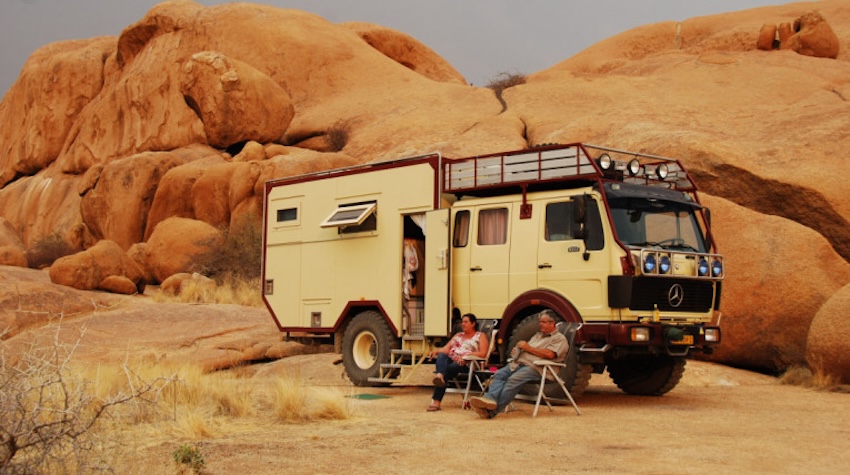
TRAVELING BY CAMPERVAN FOR THE FIRST TIME? HERE’S WHAT YOU SHOULD KNOW BEFORE YOU GO

NEW RAIL LINK BETWEEN REPUBLIKA SRPSKA AND SERBIA: DAILY TRAIN SERVICE FROM ZVORNIK TO BELGRADE
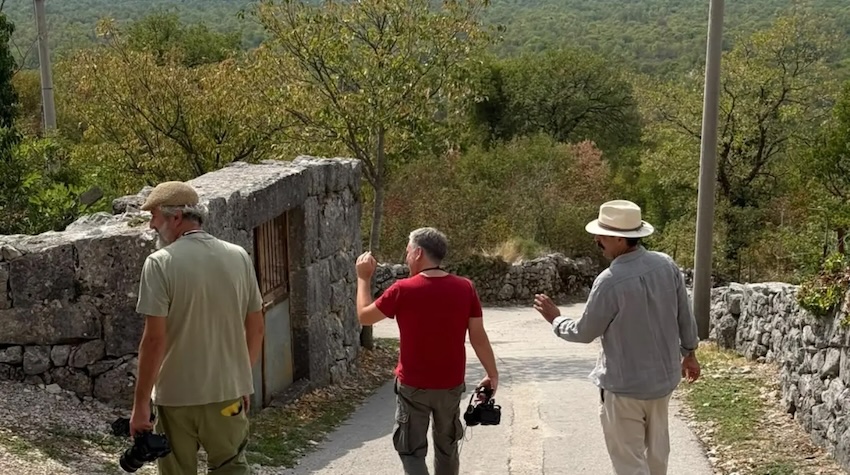
‘DRŽAVNI POSAO’ CREW FILMS NEW PROJECT IN TREBINJE
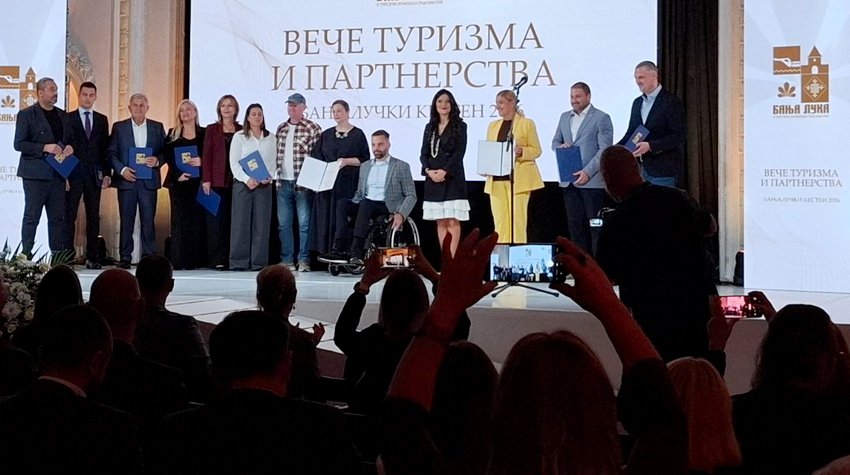
SEE SRPSKA RECEIVES CHARTER FROM BANJA LUKA TOURIST ORGANIZATION
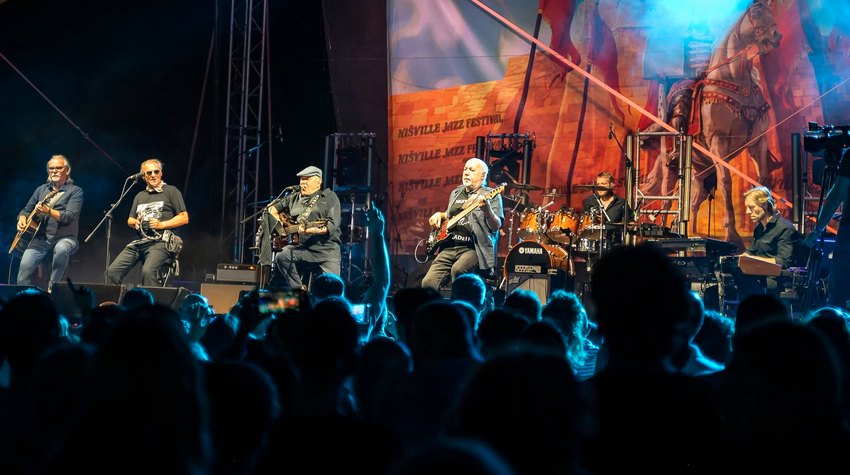
GALIJA TO CELEBRATE MAJOR ANNIVERSARY IN BANJA LUKA
NEW RAIL LINK BETWEEN REPUBLIKA SRPSKA AND SERBIA: DAILY TRAIN SERVICE FROM ZVORNIK TO BELGRADE
SEE SRPSKA RECEIVES CHARTER FROM BANJA LUKA TOURIST ORGANIZATION

BANJA LUKA BOOK FAIR 2026 OPENS TODAY
DAYS OF SEMBERIJA IN AUSTRIA: CULTURE, TRADITION AND LOCAL PRODUCTS PRESENTED TO AUSTRIAN AUDIENCES
FROM EUROPEAN STAGES TO HER HOMETOWN: JOVANA RALJIĆ BRINGS VIVALDI TO BANJALUKA


 The situation at the border crossings