ORLOVAČA CAVE REOPENS TO TOURISTS AFTER THREE-YEAR CLOSURE
The Orlovača Cave, a natural monument and one of the most remarkable speleological and tourist sites in Bosnia and Herzegovina, has officially reopened to visitors after three years of closure due to safety concerns.

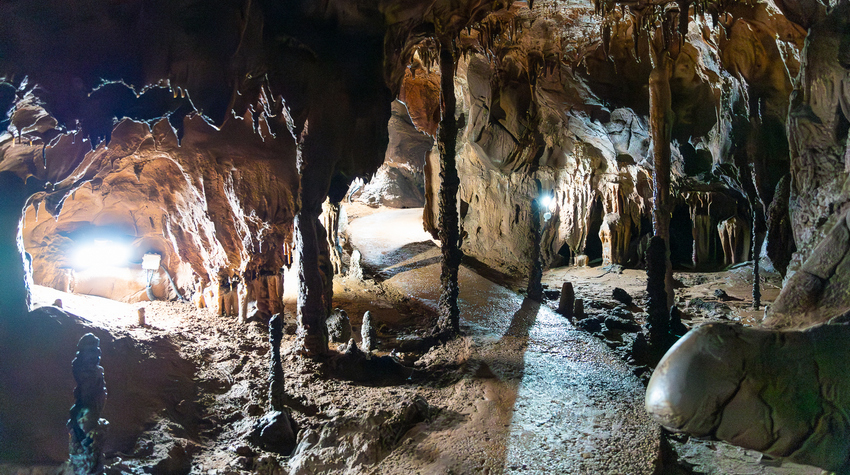
Located
in the village of Sumbulovac near Pale, Orlovača Cave is now welcoming tourists
Tuesday through Sunday at 9:00 AM, 12:00 PM, and 3:00 PM. With its rich
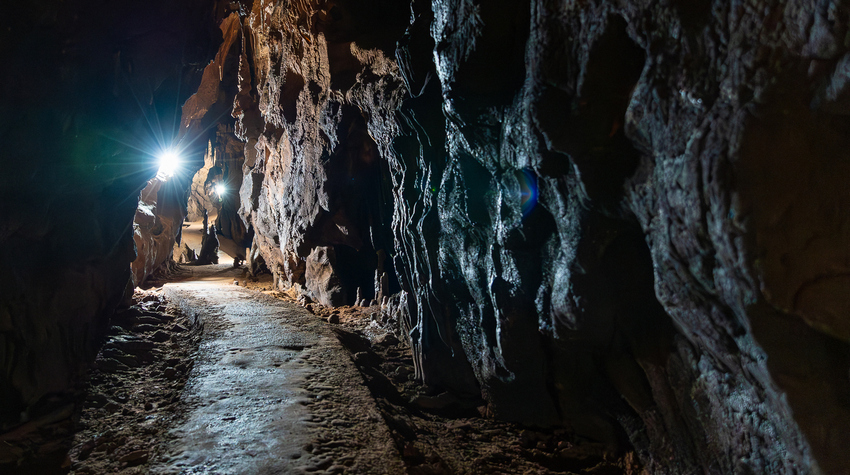
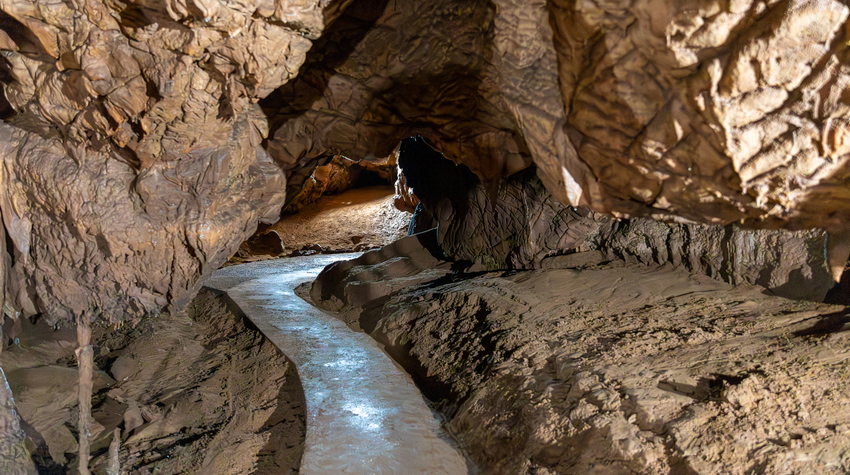
geological formations, the cave stretches approximately 2.5 kilometers, while
the tourist-accessible trail spans 565 meters.
Cave
guide Nebojša Džakić described Orlovača as a “divine jewel,” noting its
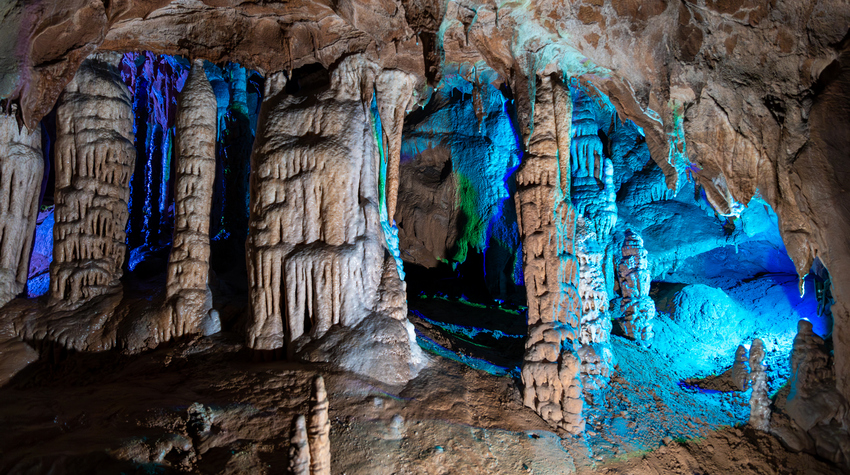
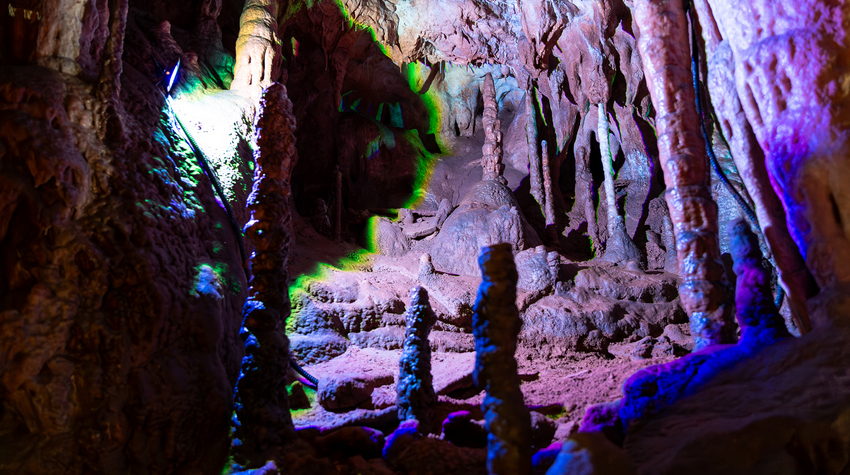
breathtaking stalagmites and stalactites intertwined with coral aragonite
formations and columns resembling Renaissance castles and monuments in various
colors and shapes. “This is a unique masterpiece shaped by the hand of nature,”
he emphasized.
Džakić
also warned visitors to prepare for the cave’s internal temperature, which
remains a cool 9°C (48°F) year-round — a stark contrast to summer temperatures
that can exceed 30°C outside.
Slavka
Brezo, director of the Pale Cultural and Sports Center which manages the site,
explained that the reopening followed extensive safety improvements. “We
obtained all necessary construction permits, cleaned the research entrance,
conducted air quality testing, renovated the fence at the viewing platform, and
upgraded the cave’s lighting system,” Brezo said. Helmets and waiver forms are
now mandatory for entry, ensuring visitors understand the cave is entered at
their own risk.
With
support from the municipality of Pale and the city of East Sarajevo, the access
road to the site was also improved. Brezo expressed optimism that Orlovača will
now operate at full capacity, deserving of its natural grandeur.
Ticket prices are set at 12 KM for individual visitors, 7 KM for groups, and 8 KM for tours booked through the East Sarajevo Tourist Organization.
Pale
municipality head Dejan Kojić highlighted the cave’s historical importance,
noting it was declared a natural monument in 2012 and opened to tourists in
2014. “Orlovača is a key asset for tourism development in the Sarajevo-Romanija
region. It will attract tourists not only from Republika Srpska and Serbia but
also from abroad,” Kojić said.
Boško
Jugović, President of the Assembly of the City of East Sarajevo, echoed the
sentiment, calling the cave a "distinctive gem" that should be part
of a comprehensive tourism offer.
Branko
Koroman, President of the Pale Municipal Assembly, stressed that tourism is one
of the fundamental development sectors of both Pale and East Sarajevo, and
Orlovača is a critical part of that.
Jelena
Golijanin, associate professor of geography at the University of East Sarajevo,
expressed satisfaction with the cave's reopening. She emphasized that
geographers have long researched and promoted the cave's unique natural
features. “Its rare formations, shaped by chemical and mechanical water action,
make it one of the most beautiful caves in Republika Srpska and Bosnia and
Herzegovina,” she said.
Orlovača
Cave is located along the Pale-Sokolac road. Visitors can reach the site via an
asphalt road that leads to the entrance facility, which houses a souvenir shop
and the Orlovača Museum.

Join our
Viber Community
TRAVELING BY CAMPERVAN FOR THE FIRST TIME? HERE’S WHAT YOU SHOULD KNOW BEFORE YOU GO

NEW RAIL LINK BETWEEN REPUBLIKA SRPSKA AND SERBIA: DAILY TRAIN SERVICE FROM ZVORNIK TO BELGRADE
‘DRŽAVNI POSAO’ CREW FILMS NEW PROJECT IN TREBINJE

SEE SRPSKA RECEIVES CHARTER FROM BANJA LUKA TOURIST ORGANIZATION

GALIJA TO CELEBRATE MAJOR ANNIVERSARY IN BANJA LUKA
NEW RAIL LINK BETWEEN REPUBLIKA SRPSKA AND SERBIA: DAILY TRAIN SERVICE FROM ZVORNIK TO BELGRADE
SEE SRPSKA RECEIVES CHARTER FROM BANJA LUKA TOURIST ORGANIZATION

BANJA LUKA BOOK FAIR 2026 OPENS TODAY
DAYS OF SEMBERIJA IN AUSTRIA: CULTURE, TRADITION AND LOCAL PRODUCTS PRESENTED TO AUSTRIAN AUDIENCES
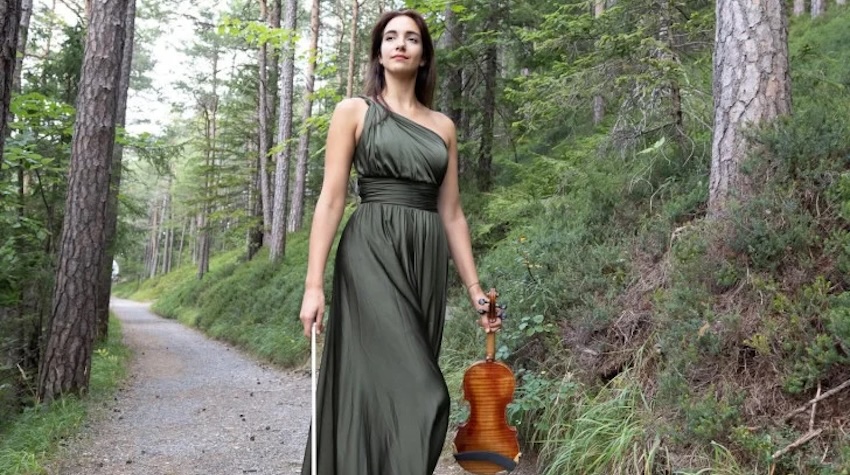
FROM EUROPEAN STAGES TO HER HOMETOWN: JOVANA RALJIĆ BRINGS VIVALDI TO BANJALUKA


 The situation at the border crossings