WHERE TO FIND MOREL MUSHROOMS AND HOW MUCH YOU CAN EARN FROM THEM
Morel picking doesn’t have to be just a hobby — it can turn into a serious seasonal business. Because these mushrooms cannot be artificially cultivated, their price remains consistently high.
As
spring arrives with the first warm rains, forests across Bosnia and Herzegovina
become home to one of the most expensive mushrooms in the world — the morel.
Known for its distinctive nutty flavor and meaty texture, it is often referred
to as “forest meat,” and demand across European markets shows no sign of
slowing down.
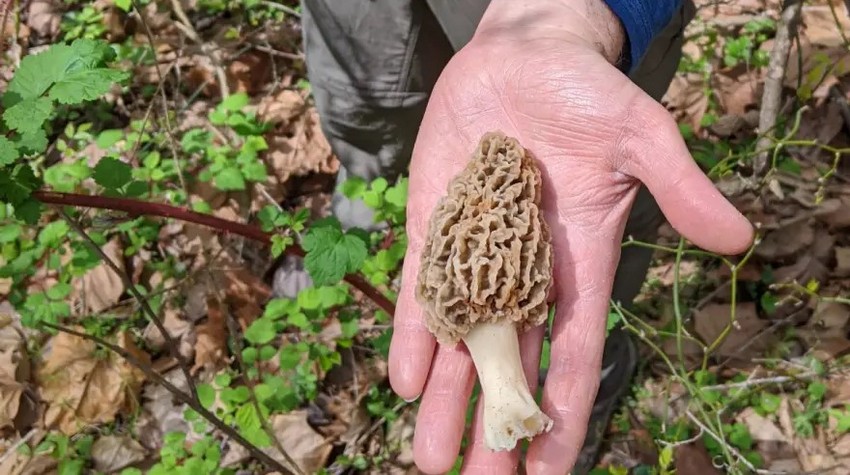
How to recognize and where to find morels
Morels
are easy to identify thanks to their unique cap, which resembles a honeycomb or
sponge. Their color ranges from light brown to almost black, and they are
hollow inside.
If you
plan to go foraging, focus on:
Light
deciduous forests: Look around ash, elm, and oak trees.
Moist
areas: Riverbanks and streams provide ideal habitats.
Old
orchards: Apple and pear trees often hide the best specimens.
Disturbed
ground: Morels thrive in “shocked” soil, such as areas affected by fire or
recently filled land, according to Agroklub.
From forest to profit
Harvesting
morels can be more than just a pastime — it can become a profitable seasonal activity.
Since they cannot be farmed, their market value stays high.
The
current wholesale price for fresh morels is around 20 KM per kilogram.
At
markets or through direct sales, prices can reach 30 KM per kilogram.
Dried
morels — often called “gold in a jar” due to their intense flavor and reduced
weight — can sell for between 400 KM and 500 KM per kilogram.
“ We
invite all pickers, both experienced and beginners, to get in touch. We offer
fair prices, quick quality assessment, and immediate payment,” said buyer Almir
Habib, adding that more information about current prices and collection points
is available at +387 62 751 759.

Join our
Viber Community
TRAVELING BY CAMPERVAN FOR THE FIRST TIME? HERE’S WHAT YOU SHOULD KNOW BEFORE YOU GO
NEW RAIL LINK BETWEEN REPUBLIKA SRPSKA AND SERBIA: DAILY TRAIN SERVICE FROM ZVORNIK TO BELGRADE
‘DRŽAVNI POSAO’ CREW FILMS NEW PROJECT IN TREBINJE
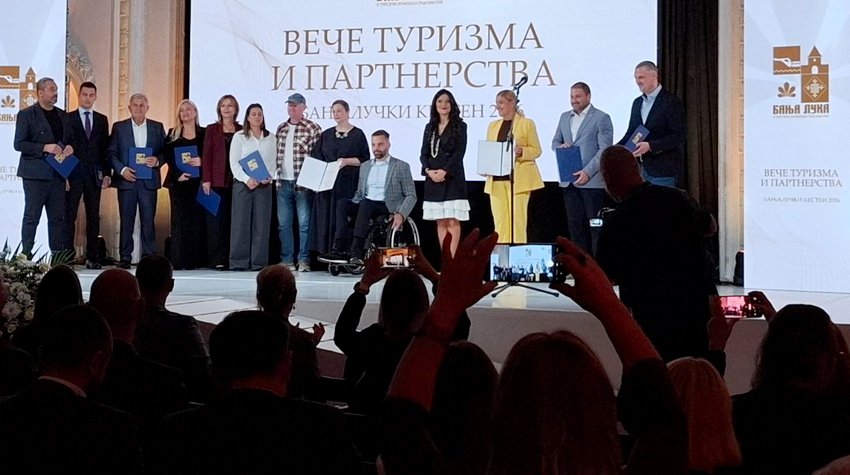
SEE SRPSKA RECEIVES CHARTER FROM BANJA LUKA TOURIST ORGANIZATION
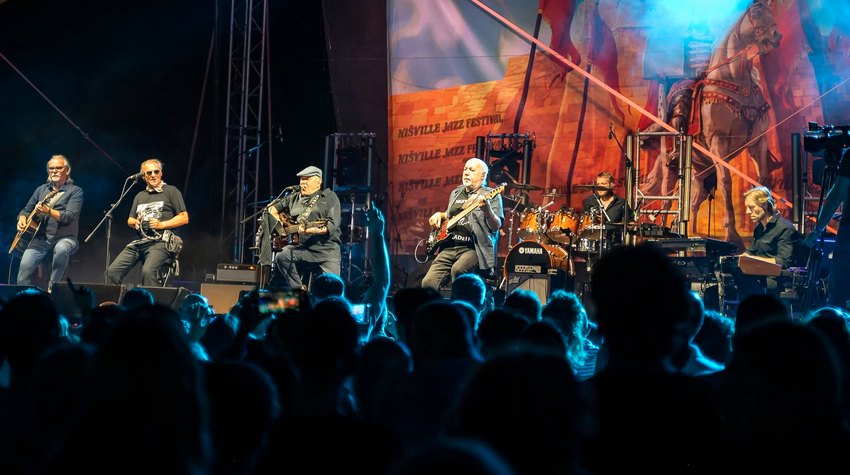
GALIJA TO CELEBRATE MAJOR ANNIVERSARY IN BANJA LUKA
NEW RAIL LINK BETWEEN REPUBLIKA SRPSKA AND SERBIA: DAILY TRAIN SERVICE FROM ZVORNIK TO BELGRADE
SEE SRPSKA RECEIVES CHARTER FROM BANJA LUKA TOURIST ORGANIZATION
BANJA LUKA BOOK FAIR 2026 OPENS TODAY
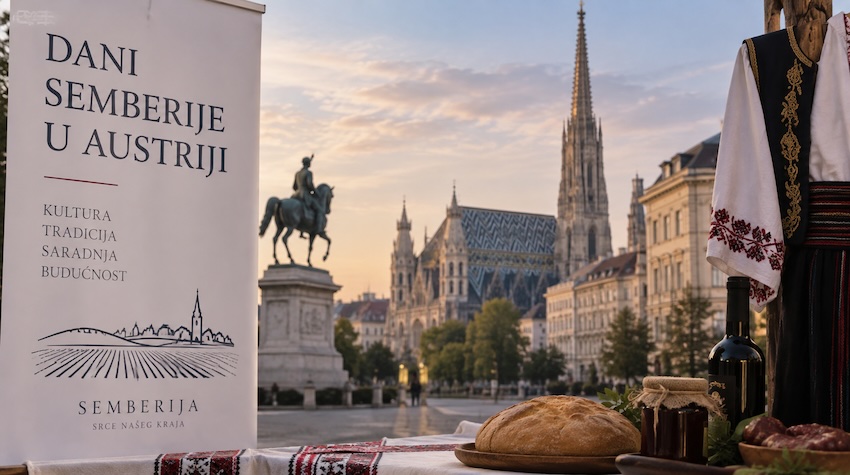
DAYS OF SEMBERIJA IN AUSTRIA: CULTURE, TRADITION AND LOCAL PRODUCTS PRESENTED TO AUSTRIAN AUDIENCES
FROM EUROPEAN STAGES TO HER HOMETOWN: JOVANA RALJIĆ BRINGS VIVALDI TO BANJALUKA


 The situation at the border crossings