WHY WALNUT SHOULD NOT BE PLANTED NEAR HOUSES OR OTHER PLANTS
Walnut belongs to the group of fruit trees with kernel fruits. It is a fruit tree of high biological value and is scarce in both domestic and global markets.
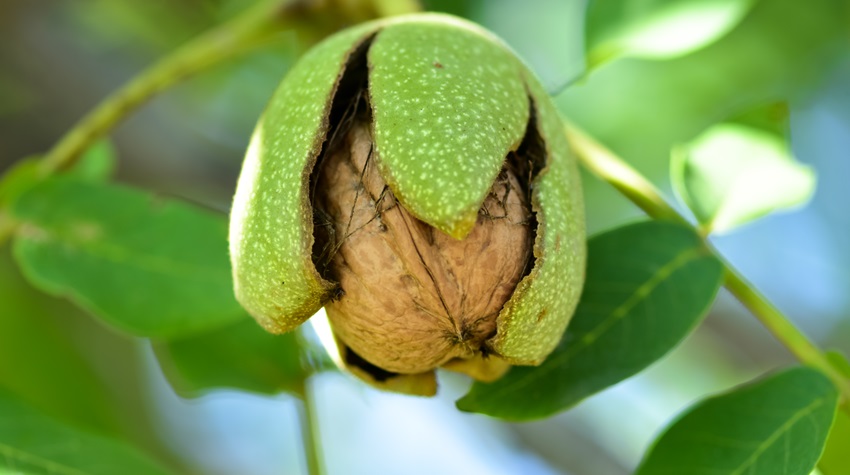
Walnut is predominantly cultivated in India, China, Manchuria, as well as in regions from the Himalayas to Siberia, on the slopes of the Caucasus, in Europe, South and North America. It mainly thrives in moderately warm regions where it bears fruit regularly.
In addition to the many beneficial qualities that walnut possesses, we will now discuss some of its negative characteristics, as reported by Agrosavjet.
Since ancient times, our ancestors considered the walnut tree to be depressive, believing that most suicides occurred under it. While many today might argue that such beliefs were based on superstition, modern research still points to certain drawbacks of this plant.
Walnut contains a chemical called hydrojuglone, which it secretes from its roots into the soil. This chemical is also present in the leaves and other parts of the walnut tree - branches, bark, flowers, and fruit husks. While hydrojuglone itself is not poisonous, upon contact with oxygen, it oxidizes into the highly toxic juglone.
More sensitive plants grown near walnut trees tend to wilt, turn yellow, or fail to thrive altogether because juglone prevents the flow of necessary energy for metabolic activity.

Join our
Viber Community

TRAVELING BY CAMPERVAN FOR THE FIRST TIME? HERE’S WHAT YOU SHOULD KNOW BEFORE YOU GO

NEW RAIL LINK BETWEEN REPUBLIKA SRPSKA AND SERBIA: DAILY TRAIN SERVICE FROM ZVORNIK TO BELGRADE
‘DRŽAVNI POSAO’ CREW FILMS NEW PROJECT IN TREBINJE

SEE SRPSKA RECEIVES CHARTER FROM BANJA LUKA TOURIST ORGANIZATION

GALIJA TO CELEBRATE MAJOR ANNIVERSARY IN BANJA LUKA
NEW RAIL LINK BETWEEN REPUBLIKA SRPSKA AND SERBIA: DAILY TRAIN SERVICE FROM ZVORNIK TO BELGRADE
SEE SRPSKA RECEIVES CHARTER FROM BANJA LUKA TOURIST ORGANIZATION

BANJA LUKA BOOK FAIR 2026 OPENS TODAY

DAYS OF SEMBERIJA IN AUSTRIA: CULTURE, TRADITION AND LOCAL PRODUCTS PRESENTED TO AUSTRIAN AUDIENCES

FROM EUROPEAN STAGES TO HER HOMETOWN: JOVANA RALJIĆ BRINGS VIVALDI TO BANJALUKA


 The situation at the border crossings