WHAT TO SEE IN BELGRADE: A TOUR GUIDE’S SUMMER SUGGESTIONS
While many travelers head to exotic destinations during the summer season, some choose to spend their vacation in Serbia’s vibrant capital — Belgrade. For those staying in the city, whether locals or tourists, experienced tour guide Željko Petrović has plenty of recommendations.

Petrović, known as the only tour guide in Belgrade who has been leading tours for 14 years dressed in traditional Serbian folk costume, highlights several must-see locations: the bohemian quarter Skadarlija, Republic Square, the area around the Cathedral Church, Kalemegdan Fortress, Nikola Tesla Museum, Saint Sava Temple, and the historic parts of Zemun including the quay and riverbank spots.
For locals who have already explored the main attractions, Petrović suggests something different — river tours or crossing over to the less urbanized riverbanks.
“BELGRADE IS NOT JUST THE CITY CENTER,” he emphasizes. “Public transportation can take you to Grocka, Bojčin Forest, Boljevci, Lazarevac, and Sopot — all rich in attractions, museums, pools, the Danube, and more.”
TOURS INSPIRED BY STAND-UP STORIES
“I offer various tours,” says Petrović. “The first one is designed to impress foreign visitors, followed by specialized tours like Zemun, underground Belgrade, the Museum of Yugoslavia, or thematic routes such as Jewish heritage, Ottoman or Serbian history. Sometimes in a single day, I lead tours to Zlatibor, Tara, the Šargan Eight, Đerdap Gorge, Niš, Valjevo, Novi Sad or Subotica.”
Despite the rich offer, he notes that Serbia's tourism still isn’t developed enough to retain foreign visitors for an average of 10 days. His goal is to first captivate them with Belgrade — and then expand to other tours.
Given the current student protests and political situation, foreign tourists often ask questions. “I explain what’s going on, but I don’t dwell too long on that topic,” he adds.
His traditional attire intrigues tourists and, as he says, “I enjoy wearing it too.”
CULTURE THAT NEEDS PRESERVATION
“What we lack, for example, is a dedicated UNESCO museum,” Petrović points out. “We have monasteries under UNESCO protection, rakija, and Felix Romuliana – Gamzigrad – also a UNESCO site. But if we don’t preserve our own heritage, someone else will.”
He also believes Serbia needs museums focused on World War I and II, as well as the turbulent 1990s — subjects that interest foreign visitors but are underrepresented in Serbian cultural institutions.
When it comes to food, foreigners are often surprised by the portion sizes and the amount of fat in traditional meals. “They usually manage for about three days,” he laughs.
He notes that many tourists mistakenly think Serbia has existed only since 2006 and are astonished to learn about the country’s medieval history. “Yes, we’re small in numbers, but our heritage is rich,” says Petrović.
POPULAR SOUVENIRS AND RETURN TO KALEMEGDAN
Typical souvenirs include pieces of traditional clothing like the šajkača hat, bottles of rakija, small shot glasses (čokanjčići), ajvar, or gift packs combining them all.
His advice to Belgraders spending the summer in the city? “Go back to Kalemegdan Fortress and refresh your memory of history.”
Many locations there are open to the public, including the underground section, Ružica Church, Church of St. Petka, and the observatory — open on weekends for stargazing.
“The first thing I tell both locals and tourists is this: Kalemegdan and its fortress are perfect spots for both sunrise and sunset,” Petrović concludes.

Join our
Viber Community
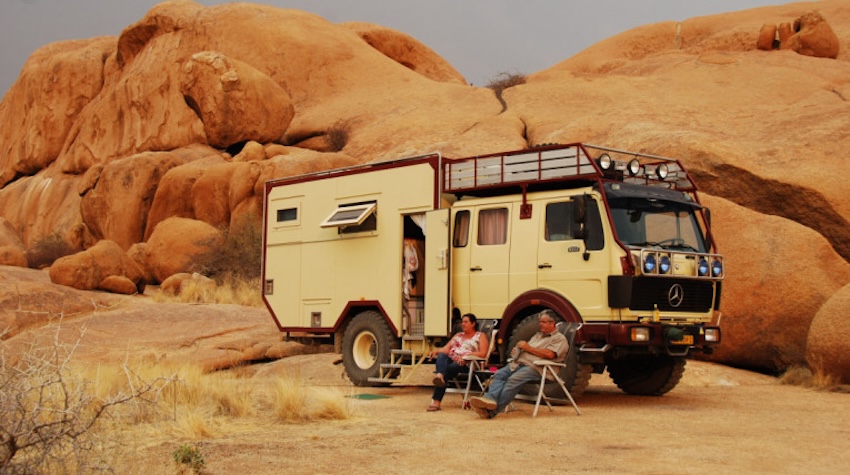
TRAVELING BY CAMPERVAN FOR THE FIRST TIME? HERE’S WHAT YOU SHOULD KNOW BEFORE YOU GO

NEW RAIL LINK BETWEEN REPUBLIKA SRPSKA AND SERBIA: DAILY TRAIN SERVICE FROM ZVORNIK TO BELGRADE
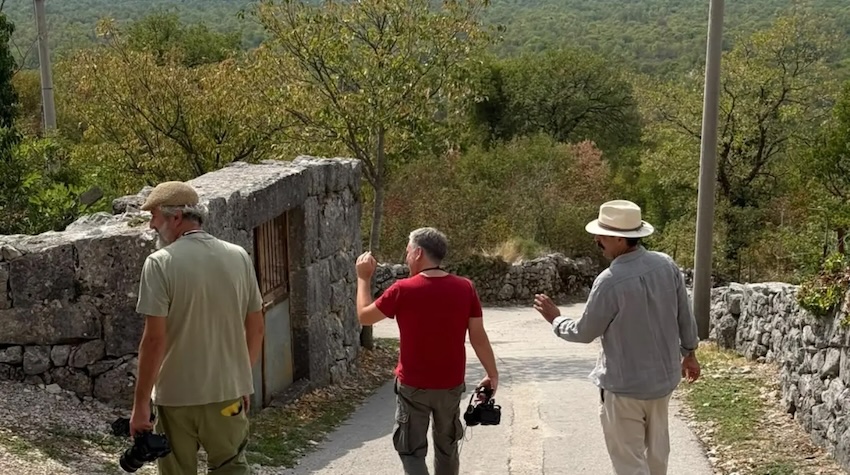
‘DRŽAVNI POSAO’ CREW FILMS NEW PROJECT IN TREBINJE
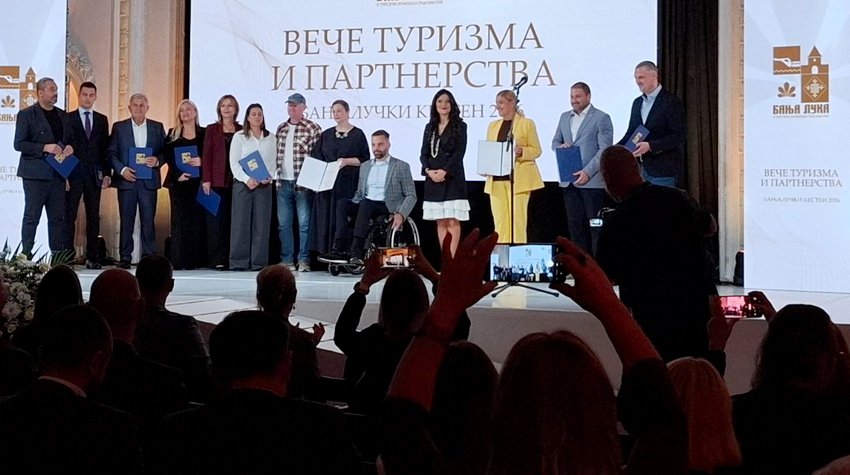
SEE SRPSKA RECEIVES CHARTER FROM BANJA LUKA TOURIST ORGANIZATION
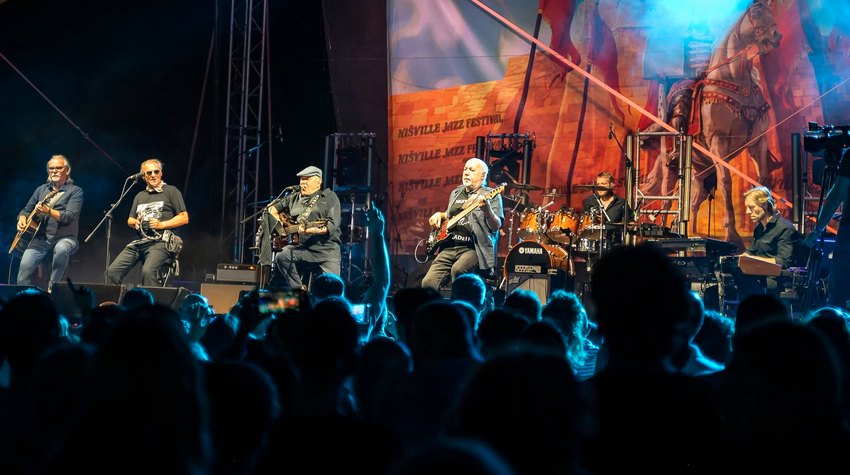
GALIJA TO CELEBRATE MAJOR ANNIVERSARY IN BANJA LUKA
NEW RAIL LINK BETWEEN REPUBLIKA SRPSKA AND SERBIA: DAILY TRAIN SERVICE FROM ZVORNIK TO BELGRADE
SEE SRPSKA RECEIVES CHARTER FROM BANJA LUKA TOURIST ORGANIZATION
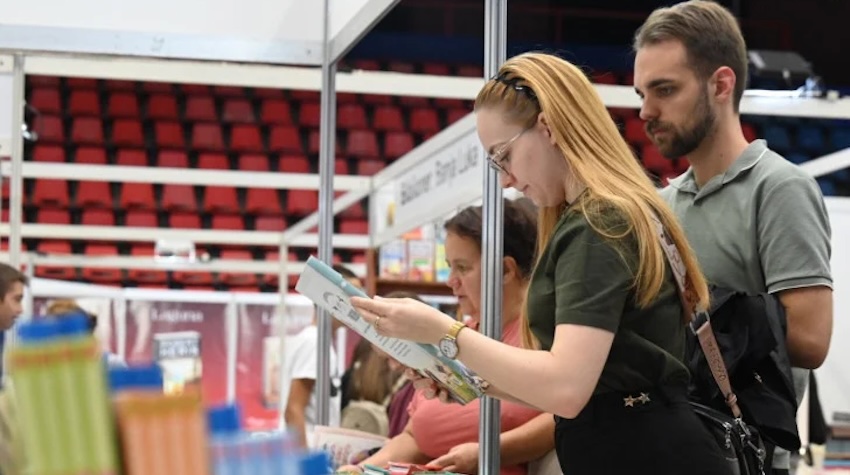
BANJA LUKA BOOK FAIR 2026 OPENS TODAY
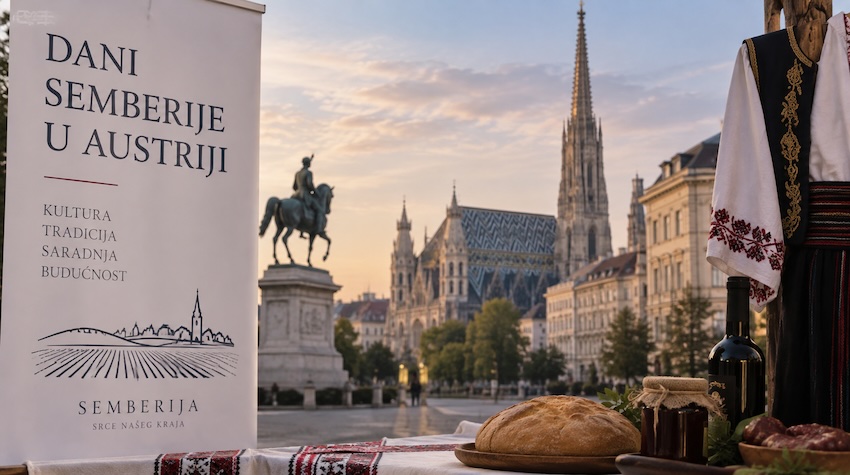
DAYS OF SEMBERIJA IN AUSTRIA: CULTURE, TRADITION AND LOCAL PRODUCTS PRESENTED TO AUSTRIAN AUDIENCES
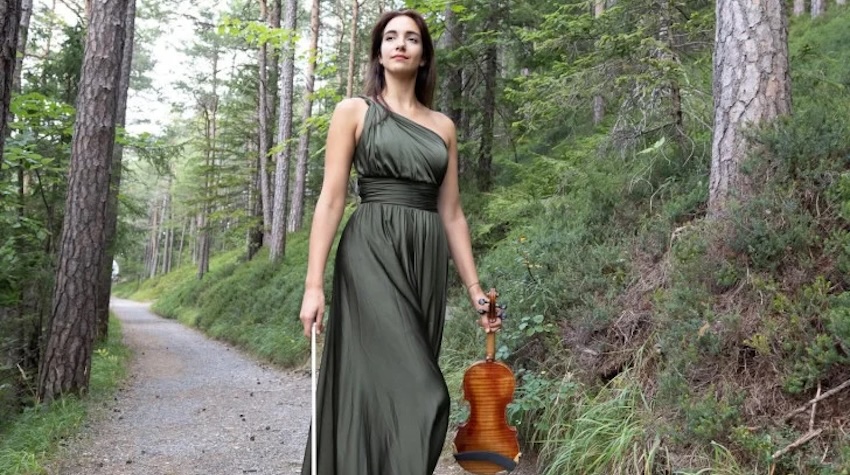
FROM EUROPEAN STAGES TO HER HOMETOWN: JOVANA RALJIĆ BRINGS VIVALDI TO BANJALUKA


 The situation at the border crossings