METEOROLOGISTS' RECOMMENDATION: WHEN TO GO ON HOLIDAY?
While many are planning their summer holidays by the sea, snow has fallen in Croatia’s Northern Velebit National Park, specifically on Zavižan.

In Serbia, wind, hail the size of hazelnuts, and heavy rain have caused flooding in streets and on highways as a result of severe weather.
Bakir Krajinović, a meteorologist from the Federal Hydrometeorological Institute of Bosnia and Herzegovina, spoke to N1 about what kind of weather we can expect in the coming period and when it’s best to plan a summer holiday.
“What happened yesterday across the region was the result of a cold front that caused a sudden shift in weather conditions in Croatia, Serbia, and also Bosnia and Herzegovina. The snow on Zavižan and the storm in Belgrade were both direct consequences of this front, which brought a significant drop in temperature and unstable air masses. Fortunately, this weather event was short-lived, and already today the atmosphere is stabilizing across Southeast Europe, including Bosnia and Herzegovina,” Krajinović explained.
He added that this was the result of ongoing atmospheric turbulence that has been affecting the region throughout May. Cyclonal activity over the European continent this month has led to sudden weather changes and lower temperatures, although still within seasonal averages.
"Compared to the past five to ten years, we get the impression that temperatures are much lower," he said.
“This year, we must prepare for at least three heatwaves that will bring extremely high air temperatures across Bosnia and Herzegovina. Forecast models indicate that during all three summer months, temperatures will be above average, especially in the north of the country, where deviations could range between 4 and 5 degrees Celsius, and in other regions between 3 and 4 degrees. This means we should expect prolonged dry periods with no rainfall,” he added.
Krajinović further noted that the expected precipitation during the summer months will be only around 70% of the average, with just two to three days of rain in some areas. Therefore, we must prepare for extended droughts and extreme heat, both during the day and night, including a high number of tropical nights this year.
When it comes to planning holidays, he emphasized the importance of relying on short- and medium-term weather forecasts, which are much more accurate and useful for this purpose.
"August and July are traditionally the months with the highest chances of extended dry periods on the Adriatic coast. These are the core months of the tourist season precisely because they are typically free from rain, with high air temperatures. This year, we also expect July and August to bring extremely high temperatures — not just in the air but also in the sea. Likewise, long dry spells are likely, and the nature of this year’s rainfall will be similar to previous years — short, intense showers that may produce the monthly quota of rain in just a few days," concluded the Bosnian meteorologist.

Join our
Viber Community
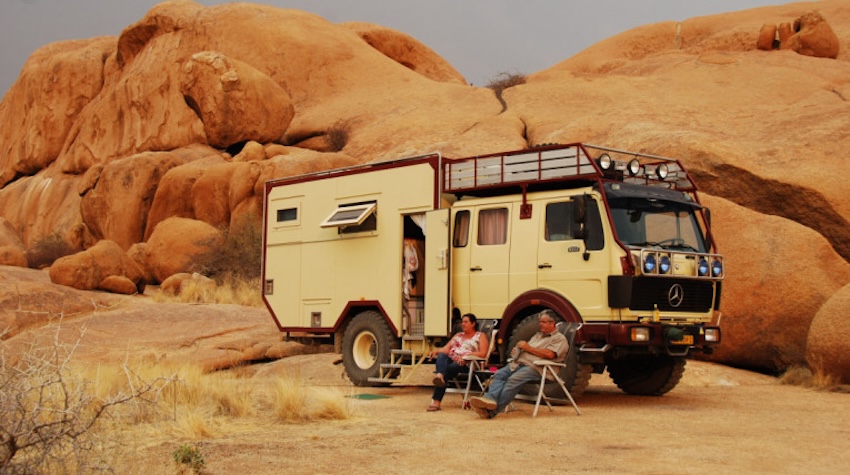
TRAVELING BY CAMPERVAN FOR THE FIRST TIME? HERE’S WHAT YOU SHOULD KNOW BEFORE YOU GO
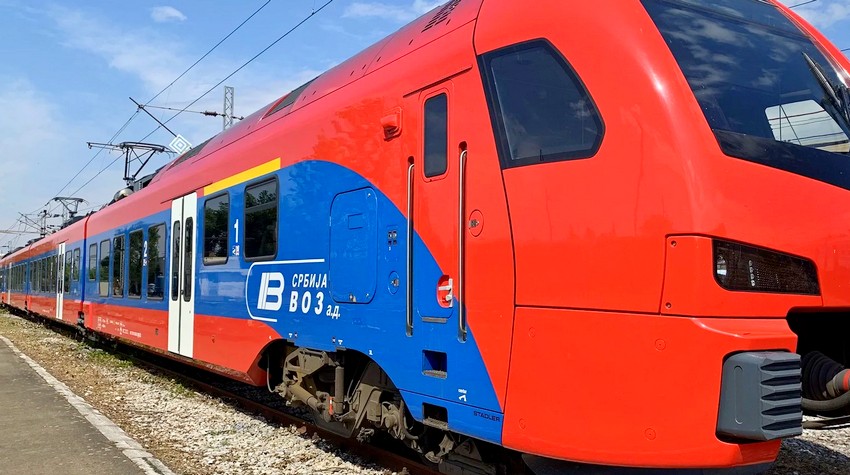
NEW RAIL LINK BETWEEN REPUBLIKA SRPSKA AND SERBIA: DAILY TRAIN SERVICE FROM ZVORNIK TO BELGRADE
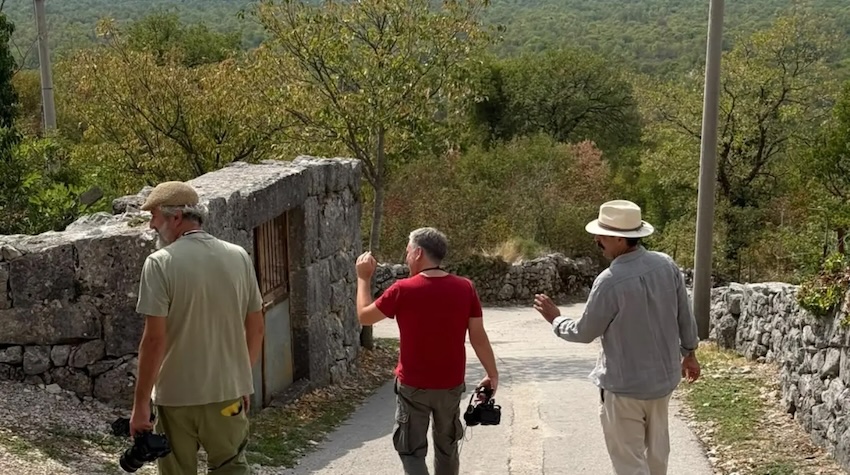
‘DRŽAVNI POSAO’ CREW FILMS NEW PROJECT IN TREBINJE

SEE SRPSKA RECEIVES CHARTER FROM BANJA LUKA TOURIST ORGANIZATION

GALIJA TO CELEBRATE MAJOR ANNIVERSARY IN BANJA LUKA
NEW RAIL LINK BETWEEN REPUBLIKA SRPSKA AND SERBIA: DAILY TRAIN SERVICE FROM ZVORNIK TO BELGRADE
SEE SRPSKA RECEIVES CHARTER FROM BANJA LUKA TOURIST ORGANIZATION

BANJA LUKA BOOK FAIR 2026 OPENS TODAY
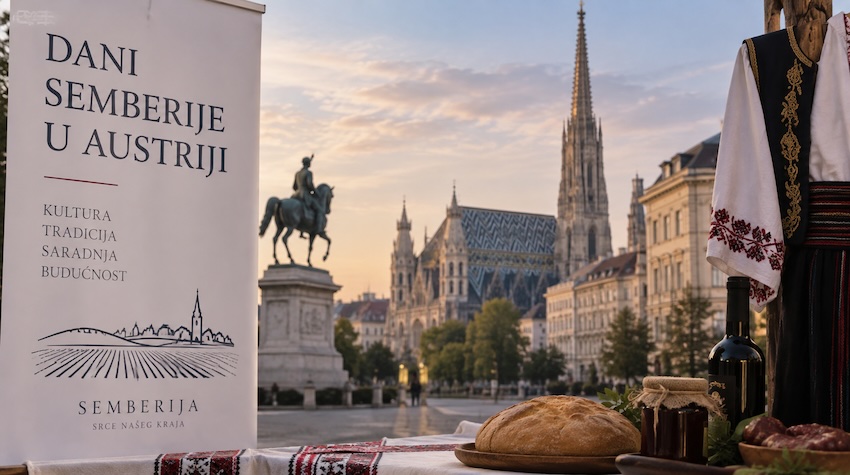
DAYS OF SEMBERIJA IN AUSTRIA: CULTURE, TRADITION AND LOCAL PRODUCTS PRESENTED TO AUSTRIAN AUDIENCES
FROM EUROPEAN STAGES TO HER HOMETOWN: JOVANA RALJIĆ BRINGS VIVALDI TO BANJALUKA


 The situation at the border crossings