NEW EU TRAVEL RULES STARTING THIS AUTUMN
Most European Union member states will begin gradually introducing a new Entry/Exit System (EES) on October 12, which will require digital registration of all non-EU travelers entering the Schengen Area for short stays of up to 90 days, the European Commission announced.

The system covers citizens from 59 non-EU countries, including all Western Balkan states – Serbia, Montenegro, Bosnia and Herzegovina, North Macedonia, and Albania. It will apply in 29 European countries within the Schengen Area, including all EU members except Ireland and Cyprus, as well as Liechtenstein, Norway, Iceland, and Switzerland.
The EES will replace traditional passport stamps with digital records. Upon their first entry into the Schengen Area after the system’s introduction, travelers will be required to provide personal details, fingerprints, and a facial photograph. These details will be stored in the system, meaning they will not need to be provided again on subsequent trips.
The system will log personal and biometric data, dates and locations of entry and exit, and any instances of overstaying or previous entry refusals. Travelers who refuse to provide biometric data will be denied entry.
The gradual rollout will last six months, with the system expected to become fully operational on April 10, 2026. Until then, passports will continue to be stamped, and biometric data will be collected only at certain border crossings.
According to estimates, the EES will speed up border checks and improve the efficiency of border control officers, reducing passenger waiting times thanks to the ability to submit data in advance.

Join our
Viber Community
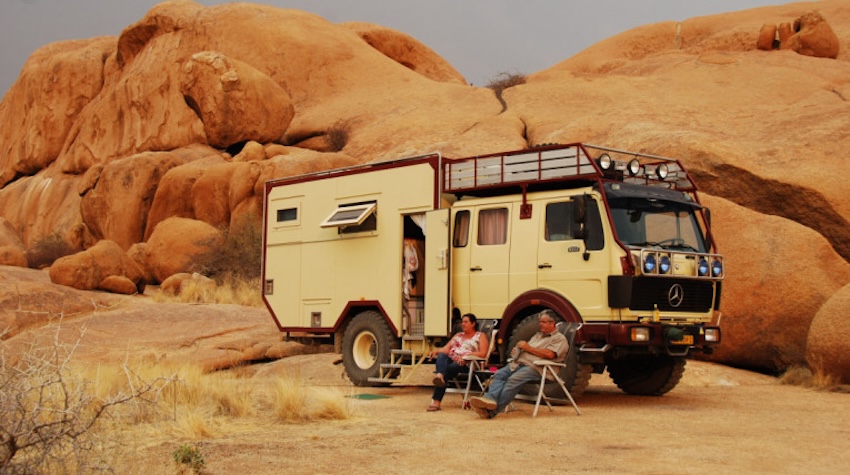
TRAVELING BY CAMPERVAN FOR THE FIRST TIME? HERE’S WHAT YOU SHOULD KNOW BEFORE YOU GO
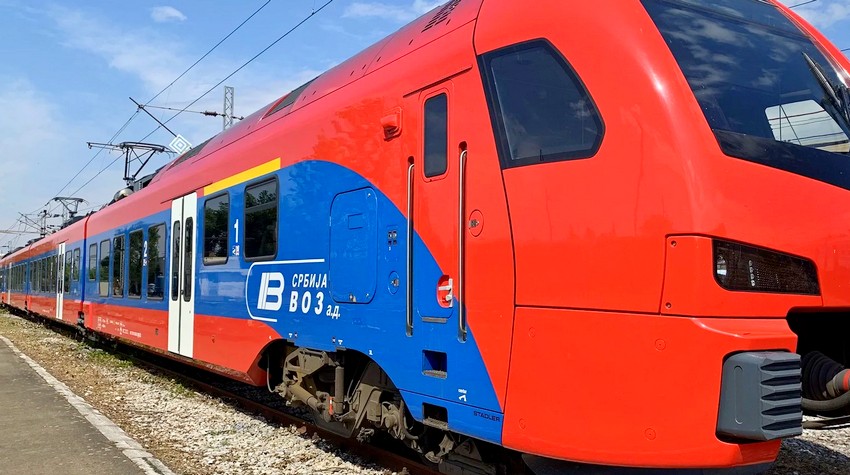
NEW RAIL LINK BETWEEN REPUBLIKA SRPSKA AND SERBIA: DAILY TRAIN SERVICE FROM ZVORNIK TO BELGRADE
‘DRŽAVNI POSAO’ CREW FILMS NEW PROJECT IN TREBINJE

SEE SRPSKA RECEIVES CHARTER FROM BANJA LUKA TOURIST ORGANIZATION

GALIJA TO CELEBRATE MAJOR ANNIVERSARY IN BANJA LUKA
NEW RAIL LINK BETWEEN REPUBLIKA SRPSKA AND SERBIA: DAILY TRAIN SERVICE FROM ZVORNIK TO BELGRADE
SEE SRPSKA RECEIVES CHARTER FROM BANJA LUKA TOURIST ORGANIZATION

BANJA LUKA BOOK FAIR 2026 OPENS TODAY

DAYS OF SEMBERIJA IN AUSTRIA: CULTURE, TRADITION AND LOCAL PRODUCTS PRESENTED TO AUSTRIAN AUDIENCES

FROM EUROPEAN STAGES TO HER HOMETOWN: JOVANA RALJIĆ BRINGS VIVALDI TO BANJALUKA

 The situation at the border crossings