CROATS SAY: REPUBLIKA SRPSKA IS AN UNDISCOVERED TOURISM GEM
Republika Srpska is one of those hidden Balkan destinations that still defies mass tourism, according to Putni Kofer, Croatia’s most-visited travel and gastronomy outlet.

Located
in the north and east of Bosnia and Herzegovina, between Croatia, Montenegro
and Serbia, this region blends wild nature with a rich historical heritage in a
way rarely seen elsewhere. Often described as a “land of mighty rivers, dense
forests, vast plains and mountain peaks piercing the sky,” its diverse
landscapes make it an ideal destination for travelers seeking an authentic
Balkan experience
“If
your journey takes you nearby, these are the places and attractions you simply
must visit,” Putni Kofer recommends.
BANJA LUKA – THE CITY OF GREENERY AND RIVERS
Banja
Luka, the second-largest city in Bosnia and Herzegovina and the administrative
center of Republika Srpska, is known as a city of greenery and, as locals like
to say, a city of a thousand cafés and restaurants. Reportedly, there are more
than 1,000 of them, with the first café dating back to 1617.
This
vibrant city, whose history stretches back to the 15th century, is closely tied
to its lifeline—the Vrbas River. Flowing over 250 kilometers, the river has
become a symbol of Banja Luka and an increasingly popular destination for
adrenaline seekers, particularly those drawn to rafting through its canyon.
Another
iconic landmark is the Kastel Fortress, a 16th-century structure offering
stunning views of the city. Surrounded by lush greenery, it is a favorite spot
for both tourists and locals, featuring attractions such as a clock tower and
ancient Roman remains.
TREBINJE – THE “LITTLE VENICE”
The
city of Trebinje, home to around 24,000 residents, lies at the foot of Mount
Leotar along the Trebišnjica River—one of the longest sinking rivers in Europe.
With
around 260 sunny days per year, Trebinje is considered one of the sunniest
cities in the Balkans, making it an attractive year-round destination. Rich in
cultural and historical heritage, the city and its surroundings boast the
highest number of protected national monuments in Bosnia and Herzegovina.
Among
its highlights are the Herzegovina Museum, located in a former Austrian
barracks from the early 19th century, and the Osman Pasha Mosque, built in
1729.
Trebinje
is also known as a city of bridges—sometimes affectionately called the “Little
Venice.” The Trebišnjica River divides the city into two parts, connected by
around 20 bridges. The most famous among them is the Arslanagić Bridge, a
stunning Ottoman-era structure built in 1573.
DOBOJ – A FORBES-RECOGNIZED DESTINATION
The
renowned magazine Forbes recently included Doboj on its list of the most
underrated cities in the Balkans that every travel enthusiast should visit.
Dominating
the city skyline is the Doboj Fortress, a massive stone structure dating back
to the 13th century during the medieval Bosnian Kingdom. Despite being
destroyed and rebuilt nearly twenty times over the centuries, it remains one of
the most significant historical landmarks in the region.
After
exploring the fortress and enjoying local cuisine, visitors can relax at
Goransko Lake, a charming nearby destination ideal for swimming and
experiencing native Balkan wildlife. According to Forbes, Doboj is a perfect
weekend getaway.
SUTJESKA NATIONAL PARK – HOME TO PRIMEVAL FOREST AND HIGHEST PEAK
Sutjeska
National Park is the oldest and largest national park in the country, covering
17,500 hectares. It is a paradise for nature lovers, especially due to the
presence of the primeval Perućica Forest.
Perućica
is one of the last remaining untouched forests in Europe and possibly the most
preserved. Within it lies the spectacular Skakavac Waterfall, which plunges 70
meters.
The
forest is tens of thousands of years old and home to over 170 species of trees
and shrubs, as well as more than 1,000 herbaceous plant species—many of them
endemic. Some trees exceed 300 years in age and reach heights of up to 50
meters, with the tallest recorded specimen measuring 57.4 meters.
The
park is also home to Maglić, the highest peak in Bosnia and Herzegovina at
2,386 meters above sea level. The area features nine marked hiking trails,
ranging from challenging long routes to shorter but demanding climbs, such as
the two-kilometer trail from Prijevor to the summit.
THE DEEPEST CANYON IN EUROPE
The
Tara River Canyon is the deepest canyon in Europe, reaching depths of up to
1,600 meters and stretching 82 kilometers. Often compared to the Grand Canyon,
it stands as one of Europe’s most breathtaking natural wonders.
The
Tara River, frequently called the “Tear of Europe,” is one of the continent’s
largest reservoirs of drinking water. Its exceptional natural value has been
recognized by UNESCO, which has listed it as a protected natural site.
Flowing
146 kilometers from its source in Montenegro, the Tara forms a natural border
with Bosnia and Herzegovina for its final 30 kilometers before merging with the
Piva River near Šćepan Polje.
With
its blend of untouched nature, rich cultural heritage, and authentic experiences,
Republika Srpska is increasingly stepping into the spotlight—yet still remains
a hidden gem waiting to be discovered.

Join our
Viber Community
TRAVELING BY CAMPERVAN FOR THE FIRST TIME? HERE’S WHAT YOU SHOULD KNOW BEFORE YOU GO
NEW RAIL LINK BETWEEN REPUBLIKA SRPSKA AND SERBIA: DAILY TRAIN SERVICE FROM ZVORNIK TO BELGRADE
‘DRŽAVNI POSAO’ CREW FILMS NEW PROJECT IN TREBINJE
SEE SRPSKA RECEIVES CHARTER FROM BANJA LUKA TOURIST ORGANIZATION
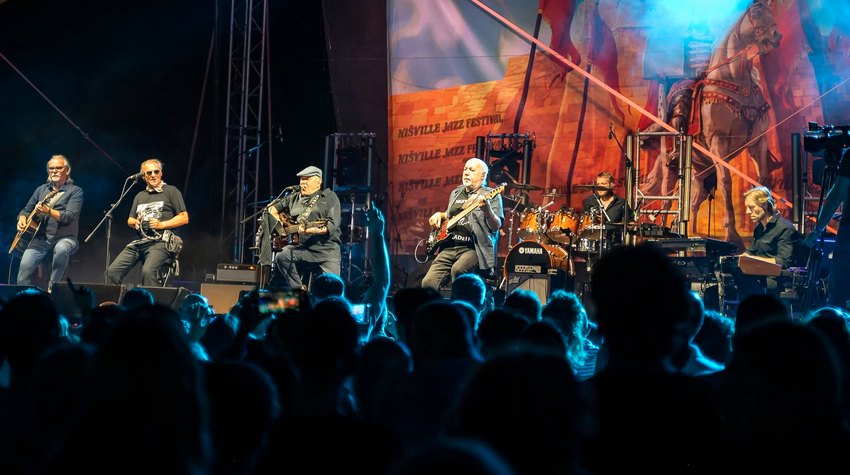
GALIJA TO CELEBRATE MAJOR ANNIVERSARY IN BANJA LUKA
SEE SRPSKA RECEIVES CHARTER FROM BANJA LUKA TOURIST ORGANIZATION
NEW RAIL LINK BETWEEN REPUBLIKA SRPSKA AND SERBIA: DAILY TRAIN SERVICE FROM ZVORNIK TO BELGRADE

BANJA LUKA BOOK FAIR 2026 OPENS TODAY
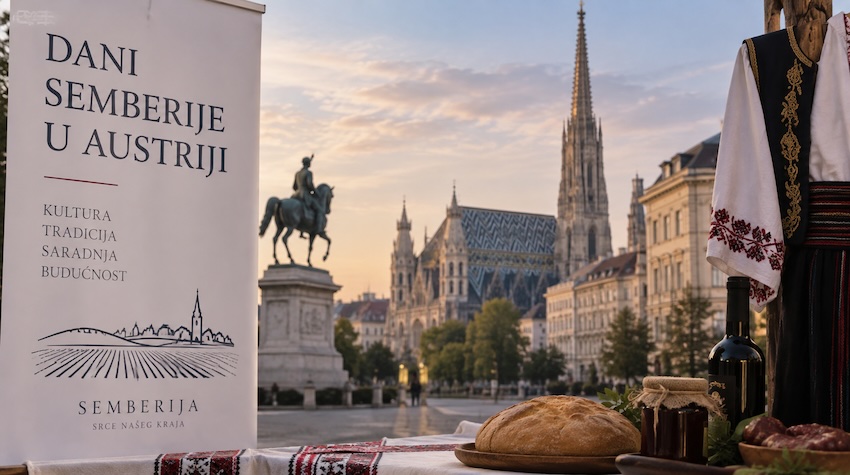
DAYS OF SEMBERIJA IN AUSTRIA: CULTURE, TRADITION AND LOCAL PRODUCTS PRESENTED TO AUSTRIAN AUDIENCES
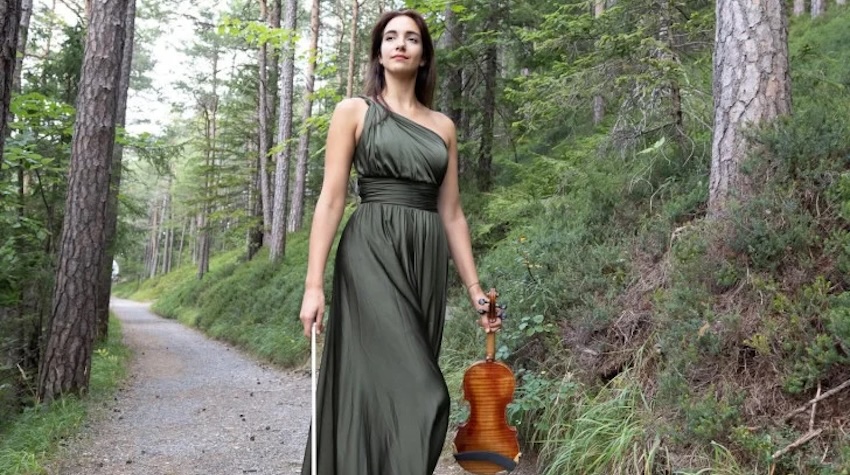
FROM EUROPEAN STAGES TO HER HOMETOWN: JOVANA RALJIĆ BRINGS VIVALDI TO BANJALUKA


 The situation at the border crossings