DESTINATION AS A HOME, AND THE TOURIST AS A GUEST WITHIN IT
Marko Radić, former director of the Tourism Organization of Trebinje and now head of the Tourism Promotion Sector at the Tourism Organization of Republika Srpska, frequently shares his perspectives on domestic tourism through his blog and social media channels.

In a recent blog post titled “Destination as a Home,” Radić offers a compelling reflection on how we perceive tourists and treat our surroundings.
He
invites us to imagine a tourist destination as our own home, and the tourist as
a guest who brings valuable gifts into it: their money, time, trust, and
recommendations to others.
Too
often, the word “tourist” is trivialized—seen as someone who simply passes
through, spends a night, and visits a few attractions. However, the modern
traveler seeks much more than sightseeing. They want to know where we sleep,
what we eat, where we go out, and what our streets, yards, and riverbanks look
like. They want to taste local food, walk our paths, and meet our people. In
short, they want to become part of our everyday life for a few days—and they
are willing to pay fairly for that experience.
Even by
rough estimates, an average tourist spends around 100 euros per day in a
destination. This amount quickly circulates through the local economy—from bed
and breakfast accommodations, morning coffee, and restaurant meals, to taxi
rides, car rentals, fuel, souvenirs, and local products.
But how
do we behave when we expect guests in our own home? We don’t leave dirty socks
in the middle of the room, pile garbage bags behind the door, or throw an old
mattress into the yard. We clean, air out the space, dust surfaces, and often
even buy flowers for the table. These actions reflect respect—both for
ourselves and for our guests. So why should it be any different when it comes
to our destination?
Why do
we tolerate overflowing garbage containers, plastic waste accumulating along
rivers and lakes, and litter scattered beside roads traveled by both tourists
and our own children? If we take care of our living room, why do we treat
riverbanks like landfills? If we would tidy up our homes so guests don’t have
to step over clutter, how can we leave trash in public spaces and expect no one
to notice?
Statistics
and global trends leave little room for negligence. According to relevant
tourism platforms and organizations, more than 70% of today’s travelers
consider environmental awareness and cleanliness when choosing a destination. A
single negative review about illegal dumping on the way to a viewpoint, or a
photo of litter shared on social media, can erase dozens of positive ratings in
an instant. A tourist who encounters neglect rarely returns.
To
change this, we must understand that tourism is not solely the responsibility
of tourism workers, utility companies, or local hospitality businesses—it is a
reflection of society as a whole.
Real
change requires concrete steps: recognizing that public spaces are not “someone
else’s responsibility,” but our shared backyard; ensuring that authorities
provide adequate infrastructure, which is often a key factor contributing to
individual negligence; and enforcing zero tolerance for those who damage the
environment—whether through civic initiatives or stricter application of legal
penalties.
A
destination is a mirror of our way of life. The extent to which we care about
the place we live in will determine how much it matters to our guests.
Cleanliness, order, and environmental care must be the minimum standard of our
personal and collective self-respect.

Join our
Viber Community
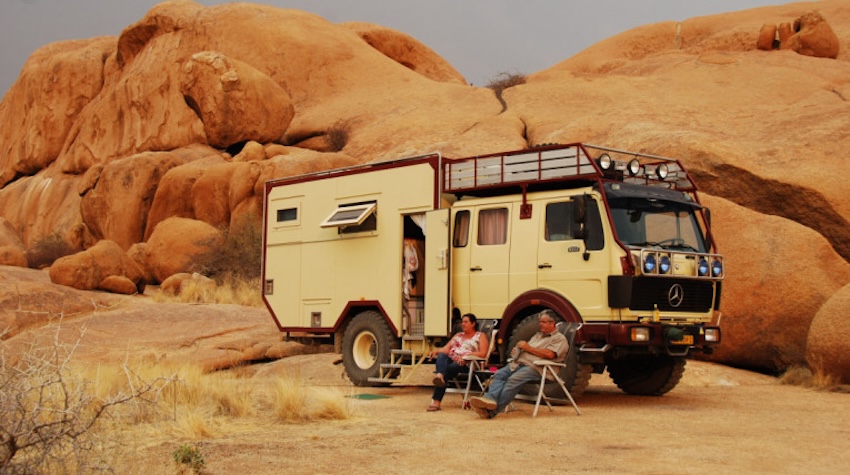
TRAVELING BY CAMPERVAN FOR THE FIRST TIME? HERE’S WHAT YOU SHOULD KNOW BEFORE YOU GO

NEW RAIL LINK BETWEEN REPUBLIKA SRPSKA AND SERBIA: DAILY TRAIN SERVICE FROM ZVORNIK TO BELGRADE
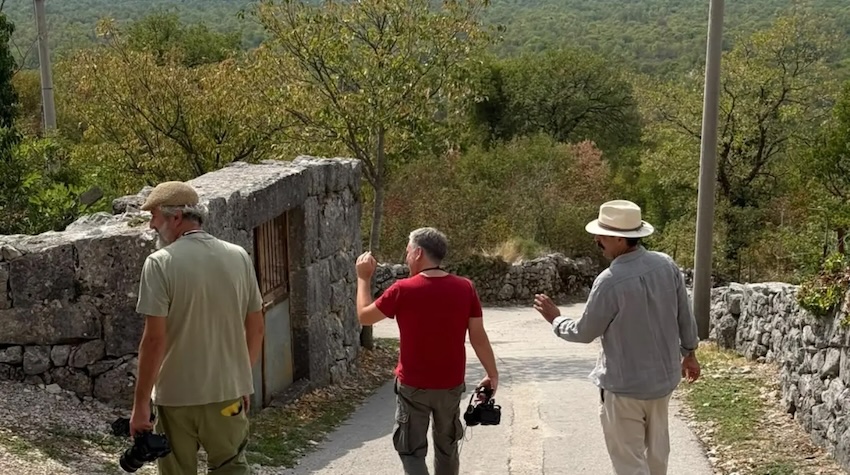
‘DRŽAVNI POSAO’ CREW FILMS NEW PROJECT IN TREBINJE

SEE SRPSKA RECEIVES CHARTER FROM BANJA LUKA TOURIST ORGANIZATION

GALIJA TO CELEBRATE MAJOR ANNIVERSARY IN BANJA LUKA
SEE SRPSKA RECEIVES CHARTER FROM BANJA LUKA TOURIST ORGANIZATION
NEW RAIL LINK BETWEEN REPUBLIKA SRPSKA AND SERBIA: DAILY TRAIN SERVICE FROM ZVORNIK TO BELGRADE

BANJA LUKA BOOK FAIR 2026 OPENS TODAY
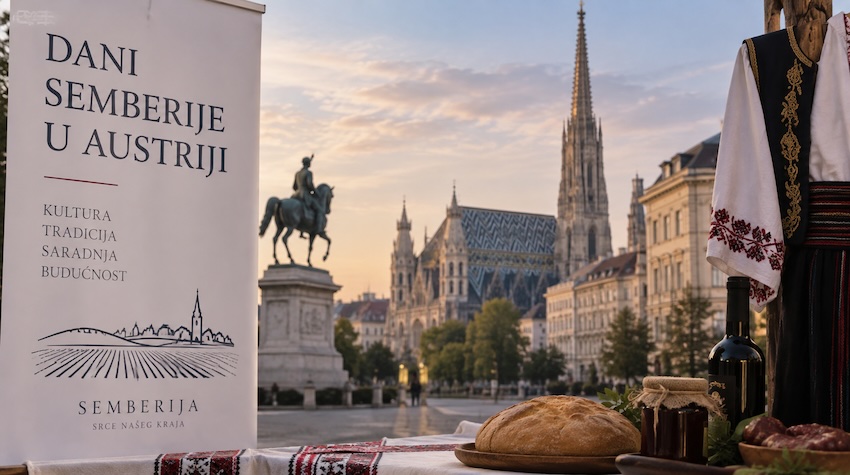
DAYS OF SEMBERIJA IN AUSTRIA: CULTURE, TRADITION AND LOCAL PRODUCTS PRESENTED TO AUSTRIAN AUDIENCES
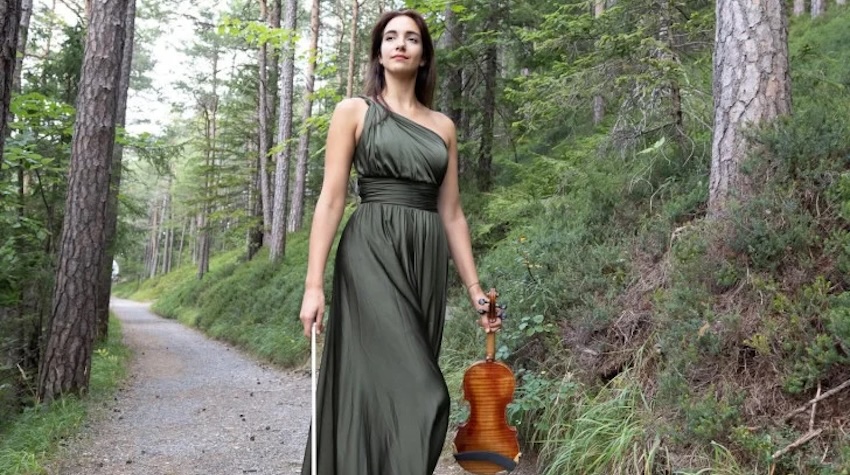
FROM EUROPEAN STAGES TO HER HOMETOWN: JOVANA RALJIĆ BRINGS VIVALDI TO BANJALUKA


 The situation at the border crossings