IS MULLED WINE BAD FOR YOUR HEALTH – AND WHEN DOES IT BECOME A PROBLEM?
For many people, mulled wine is a symbol of winter, holidays, and leisurely walks through the city with gloves on. The familiar scent of cinnamon, cloves, and orange peel feels comforting and almost therapeutic. Yet behind that pleasant aroma and sweet taste lies what is often forgotten: mulled wine is still an alcoholic drink.
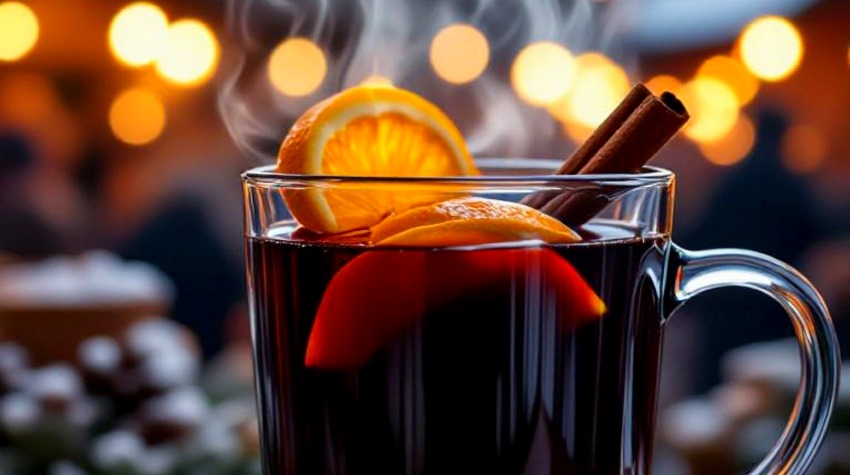
That is precisely why it is often consumed more casually than regular wine or spirits — and also why people tend to drink more than they intended. Served warm and sweetened, mulled wine does not differ significantly in alcohol content from ordinary wine. A typical glass of around 200 milliliters usually contains between 10 and 12 percent alcohol, and sometimes even more, especially if rum, brandy, or liqueur is added.
Health guidelines for adults define moderate alcohol consumption as one drink per day for women and up to two for men. Mulled wine, however, comes with a hidden trap: it is usually consumed quickly, often while standing, outdoors in cold weather, and without food.
The warmth of the drink dilates blood vessels and creates the impression that alcohol has a milder effect. In reality, the body processes alcohol at the same rate regardless of temperature. Added sugar further masks its impact, making it easy to cross the limit before realizing it.
Temperature plays a key role in how mulled wine affects the body. Because it is consumed hot, alcohol is absorbed into the bloodstream more quickly. The sensation of warmth and comfort can be misleading, giving the impression that the drink is weaker than it actually is. In fact, the opposite happens: warm alcohol causes blood vessels to expand, creating a false feeling of warmth while the body actually loses heat faster. This can lead to sudden fatigue and exhaustion, especially when spending long periods in cold conditions.
It is this combination of warmth, alcohol, and spices that makes mulled wine deceptively easy to drink. It goes down smoothly and quickly, while the consequences often appear later — and sometimes quite suddenly.
The problem with mulled wine is not just the amount of alcohol, but the context in which it is consumed. It is typically drunk in the evening, on an empty stomach, in cold weather, all of which puts additional strain on the body. Many people report that hangovers after mulled wine feel worse than after regular wine, even when the same amount of alcohol is consumed.
The reason lies in several combined factors. Mulled wine usually contains more sugar, which accelerates alcohol absorption and increases dehydration, leading to stronger headaches, dry mouth, and overall fatigue the next day. Drinking it warm further masks the effects of alcohol, encouraging people to drink more than they would otherwise. Consuming it while standing in the cold, often without food, causes alcohol to enter the bloodstream faster while the body expends extra energy trying to maintain its temperature. The result can be pronounced tiredness, nausea, and weakness. Additionally, spices such as cinnamon, cloves, and nutmeg may irritate the stomach in sensitive individuals, making hangovers feel heavier and more uncomfortable.
This is why hangovers after mulled wine are often described as “worse,” even though the drink seems harmless at the time. One glass can be a festive pleasure — the third is often an invitation to a rough morning.
Mulled wine can be a pleasant part of the holiday atmosphere, but only when consumed in moderation. One glass is usually enough to enjoy the warmth and the mood. Anything beyond that adds little to the experience and simply delays unpleasant consequences. If the goal is to wake up the next day without a headache and with good memories, it is wise to draw the line earlier than you think you should.

Join our
Viber Community

TRAVELING BY CAMPERVAN FOR THE FIRST TIME? HERE’S WHAT YOU SHOULD KNOW BEFORE YOU GO

NEW RAIL LINK BETWEEN REPUBLIKA SRPSKA AND SERBIA: DAILY TRAIN SERVICE FROM ZVORNIK TO BELGRADE

‘DRŽAVNI POSAO’ CREW FILMS NEW PROJECT IN TREBINJE

SEE SRPSKA RECEIVES CHARTER FROM BANJA LUKA TOURIST ORGANIZATION

GALIJA TO CELEBRATE MAJOR ANNIVERSARY IN BANJA LUKA
SEE SRPSKA RECEIVES CHARTER FROM BANJA LUKA TOURIST ORGANIZATION
NEW RAIL LINK BETWEEN REPUBLIKA SRPSKA AND SERBIA: DAILY TRAIN SERVICE FROM ZVORNIK TO BELGRADE

BANJA LUKA BOOK FAIR 2026 OPENS TODAY
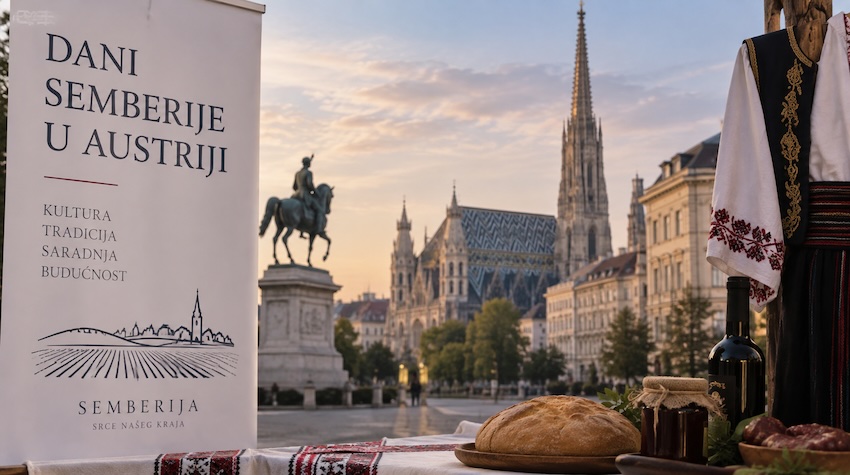
DAYS OF SEMBERIJA IN AUSTRIA: CULTURE, TRADITION AND LOCAL PRODUCTS PRESENTED TO AUSTRIAN AUDIENCES

FROM EUROPEAN STAGES TO HER HOMETOWN: JOVANA RALJIĆ BRINGS VIVALDI TO BANJALUKA


 The situation at the border crossings