FATHER OF A GENIUS: WHO WAS MILUTIN TESLA
While the name of Nikola Tesla shines brightly at the pinnacle of global scientific history, the name of his father, Milutin Tesla, remained in the shadows for decades. Though biographers often mentioned him only in passing, his role in shaping the genius from Smiljan has only recently been more seriously uncovered.

The last comprehensive article about him was published back in 1928, writes Nova.rs.
The injustice of this long-standing neglect was addressed by Serbian publicist and Tesla scholar Milovan Matić from Brus, who, after 25 years of research, published the book “The Serbian Prota Milutin Tesla” in 2016. This first comprehensive work about the father of the famed scientist was published by the Studenica Monastery Lavra. Matić believes the world must know that Milutin Tesla, an Orthodox priest, fostered harmonious relations with Roman Catholics and Muslims, and spoke at least eight world languages.
"During my research, I found numerous pieces of evidence that Milutin spoke Slavic, Old Church Slavonic, Hungarian, German, English, French, Greek, Russian, Italian, and Spanish," says Matić, adding that Milutin was a correspondent for “Srbski dnevnik”, as well as several Austrian newspapers.
Due to poor health, he left military school early and enrolled in the seminary in Plaški, after which he served as a parish priest in Štikada, Senj, Smiljan, and Gospić.
Milutin Tesla (1819–1879) was a distinguished priest, educator, poet, polyglot, and people's advocate. He was born in the village of Raduč in the Lika region, the son of military officer Nikola Tesla and Ana Kalinić, from a respected family of officers and priests. Although he began his career in the military, after receiving a stern reprimand, he chose to leave that path forever and dedicate his life to faith and spiritual service.
As a priest of the Serbian Orthodox Church, he worked in communities where Catholics and Muslims also lived, and he built relationships based on mutual respect. He was exceptionally well-educated, engaged in philosophy, read Goethe and Schiller, and besides theological and spiritual topics, wrote about education, health, natural disasters, and social issues. He also wrote poetry, including the piece “New Year’s Greeting”, dedicated to the administrator of the Upper Karlovac Diocese, Sergej Kaćanski – a poem Matić managed to uncover in archival materials.
Philosopher, Poet, Naturalist, Orator
“He was a philosopher, poet, naturalist, and brilliant orator. His memory was so powerful that he could recite long works in multiple languages. He jokingly claimed he could reconstruct classical works if they were ever lost,” Nikola Tesla wrote in his autobiography.
In 1873, Milutin received a high honor – the Golden Cross of Merit, First Class, from Emperor Franz Joseph, a recognition even reported in the Viennese press of the time. However, the final years of his life were marked by family and societal hardships – the dissolution of the Military Frontier, care for his large family, and Nikola Tesla’s serious illness, during which he was bedridden for nine months. In one of the decisive moments of his life, Milutin promised his son he would send him to the best technical school in the world – a promise that forever changed the course of history.
Milutin Tesla died suddenly while Nikola was in America, and he was unable to attend his father’s funeral. However, ten years later, in 1889, Tesla returned to Smiljan to erect a monument in his honor.
“It was only as a mature man that I realized the strength, dignity, and devotion my father possessed,” Tesla wrote.
In the village of Botunja near Brus, Milovan Matić now preserves over 12,000 documents in his personal "Tesla Library." Among them are more than 2,000 records previously unknown to both experts and the general public. Matić’s work, centered on the figure of Milutin Tesla, stands as a vital contribution to the proper understanding of the legacy of one of the most important minds in human history – and of his equally remarkable father.

Join our
Viber Community
TRAVELING BY CAMPERVAN FOR THE FIRST TIME? HERE’S WHAT YOU SHOULD KNOW BEFORE YOU GO
NEW RAIL LINK BETWEEN REPUBLIKA SRPSKA AND SERBIA: DAILY TRAIN SERVICE FROM ZVORNIK TO BELGRADE
‘DRŽAVNI POSAO’ CREW FILMS NEW PROJECT IN TREBINJE
SEE SRPSKA RECEIVES CHARTER FROM BANJA LUKA TOURIST ORGANIZATION
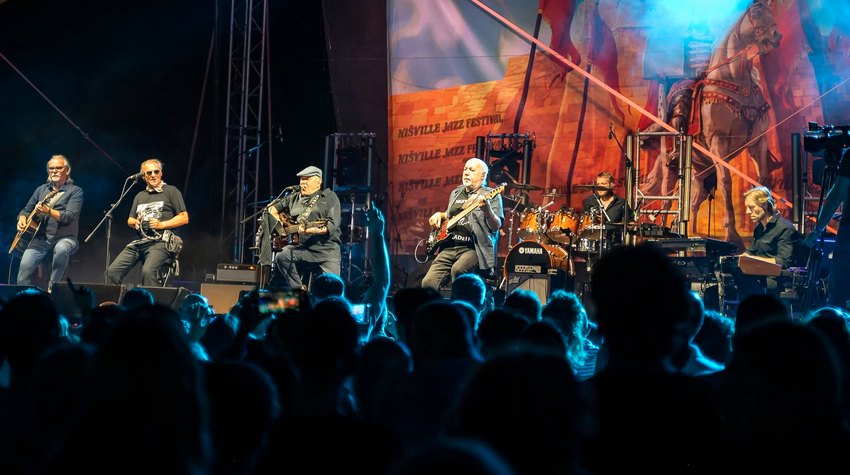
GALIJA TO CELEBRATE MAJOR ANNIVERSARY IN BANJA LUKA
NEW RAIL LINK BETWEEN REPUBLIKA SRPSKA AND SERBIA: DAILY TRAIN SERVICE FROM ZVORNIK TO BELGRADE
SEE SRPSKA RECEIVES CHARTER FROM BANJA LUKA TOURIST ORGANIZATION
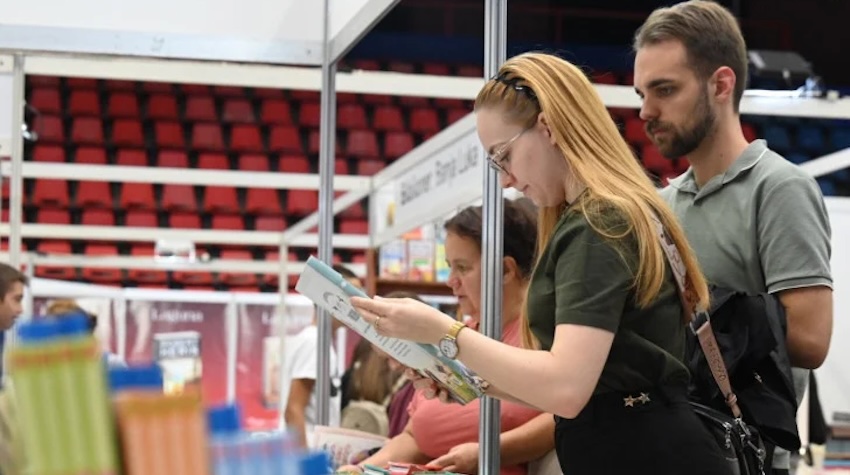
BANJA LUKA BOOK FAIR 2026 OPENS TODAY
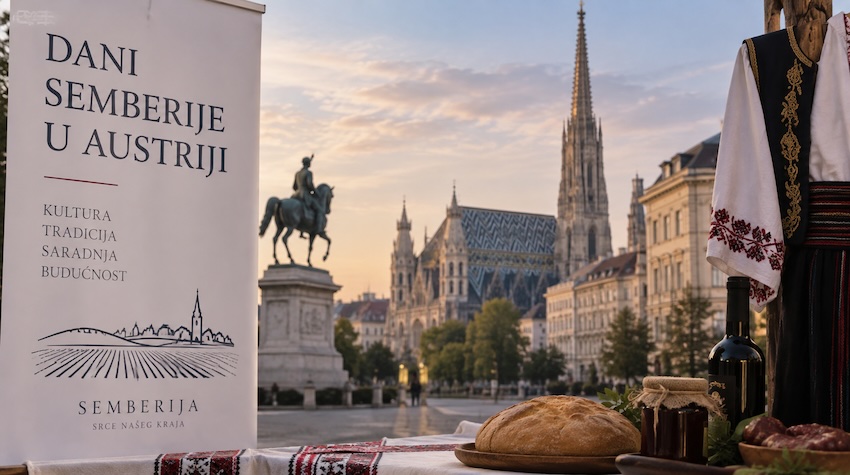
DAYS OF SEMBERIJA IN AUSTRIA: CULTURE, TRADITION AND LOCAL PRODUCTS PRESENTED TO AUSTRIAN AUDIENCES
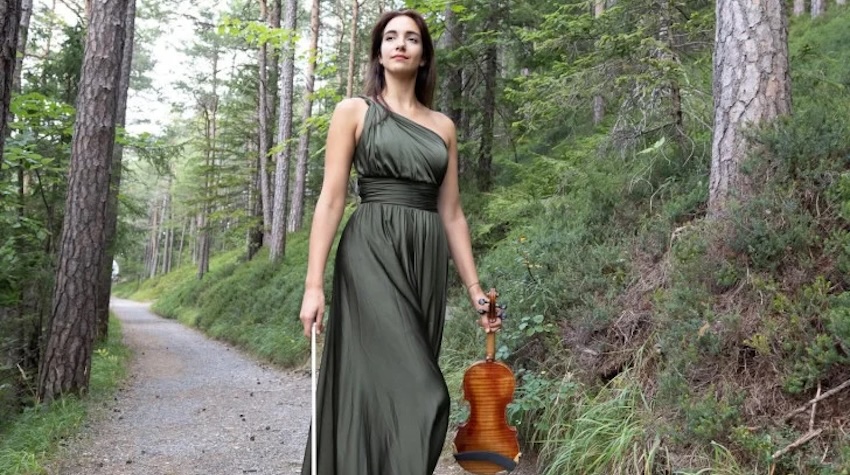
FROM EUROPEAN STAGES TO HER HOMETOWN: JOVANA RALJIĆ BRINGS VIVALDI TO BANJALUKA

 The situation at the border crossings