WINNER OF THE GOLDEN PLATAN AWARD ON THE BEAUTY OF SILENCE IN SOUTHERN SERBIA
One of this year’s recipients of the Golden Platan Award at the 13th Festival of Mediterranean and European Film is actress Ljiljana Dragutinović.

She has visited Trebinje many times before, even spending summers there despite the nearby Dubrovnik.
“I love this town because it has silence, and plane trees. When I came again, I looked at that huge tree. I watch it and wonder about the roots of such a massive plane tree with such a vast crown. At that moment, I thought, ‘This is the place where plane trees belong. Trebinje is like a plane tree with big roots and a mighty, beautiful crown.’ That’s how I understood that Trebinje is the plane tree, and the people are the plane trees. I have been to Tvrdoš while Bishop Atanasije was still there, Gračanica, Perović Bridge… The people here are wonderful, they have a beautiful language with lovely melodies. Even though there is ‘Tvrdo’ (meaning ‘hard’ – Tvrdoš, žilavka grape), I find Herzegovinians to be gentle people,” Ljiljana Dragutinović told TrebinjeLive.info at the beginning of the interview.
According to her, she pursued acting because her family was theatrical. Her older late brother studied under the class of Mata Milošević but fell ill with juvenile diabetes; he worked a lot, finished the Academy, and then stopped acting. Her younger brother acted in Banja Luka and Kragujevac theatres but never finished the Academy despite being part of professional theatre companies.
“My father is a poet and is included in the ‘Anthology of Serbian Poets,’ so my entire family is artistically inclined. My brother prepared me for the Academy and sent me to Miša Janketić, where I recited ‘Antigone.’ Miša corrected only one accent and told my brother I was accepted. That’s how it happened, and acting is my profession. On stage, an actor feels best, better than on any filming set. On set, there is always something going on around you, but on stage, even if something hurts, you are somewhat elevated above the pathos,” Dragutinović said.
On stage during performances, there are no retakes, unlike in film where scenes are repeated until perfected.
“There are repetitions on stage if it’s on the repertoire. When I come home after a show, many times I say, ‘This is not good, I spoke badly, that wasn’t an acting thought.’ Then I work to improve. Rhythm is very important in theatre, mathematics is important because after one part you get applause on an open stage, but another time you don’t, and I wonder why. I realize I shifted the rhythm, and everything is important in theatre,” Ljiljana explains.
She had a fantastic teacher, Predrag Bajčetić. His class in 1971 produced many great actors – Tanja Bošković, Radmila Živković, Gorica Popović, Jelica Sretenović, Miralem Zupčević, Milan Štrljić, Branko Đurić, Branko Jerinić…
“We were all different in the class, and he often said, ‘What am I going to do with you?’ because we were crazy, but gradually he got into all our hearts. He assigned us tasks year after year. He was such a professor that we always visited him and his wife Boba Blagojević. We learned from them, but they also learned from us. In one interview, Bajčetić emphasized that Ljiljana rightly said we also learned from them. For all our roles, we would go to our professor to check if something was good; he was extremely critical. That is missing for young actors today — someone to correct them, to work with them on acting,” Dragutinović explained.
She has been on the stage of Atelje 212 since 1973 and a permanent member since 1976.
“When I was young, my energy pushed me, and I was interested in everything. At first, it was as if I was born on stage because I performed a lot. Mihiz told me he didn’t know what to do with me because all directors wanted me. That was my youth, and then came what is now — a pond full of crocodiles. I am not that type, and I didn’t want to be in that pond, so I distanced myself. Despite everything, I have some longevity, and in every kind of art, longevity is the most important thing,” Dragutinović emphasized.
She is remembered in the series Srećni ljudi as Natalija Šćekić, Milica Živić in Više od igre, Persida Pantić in Bela lađa, Kalina Ristić in Kolo sreće, Vida in Ožalošćena porodica, Danica Dana Isidorović in Istine i laži...
“I acted in many series, but films are far above series. In the last fifteen years, film has slowly fallen into the background, and this stems from Hollywood. Film is something else, especially auteur film. I love auteur films, while today much is said about series. Thank God for festivals where these film works come to light,” Dragutinović stated clearly.
In 1978, she was an acting partner with Petar Božović in the series Više od igre. She received the Sterija Award for acting in 1981 for the role of Vinka Kromberg in the play Slike žalosnih doživljaja and the Golden Ćuran award in 2019.
“I learned one sentence from the late Mihiz: ‘Ljiljo, you first need to have awards, then you can despise them, but you cannot despise awards if you don’t have them.’ That taught me to respect my colleagues who receive awards. I have been on juries, and mistakes can happen, but if you are a good actor, that eventually comes to light. The ‘Golden Platan’ award in beloved Trebinje is just another bond with the south of Herzegovina, and I thank the organizers for everything,” Dragutinović concluded.

Join our
Viber Community
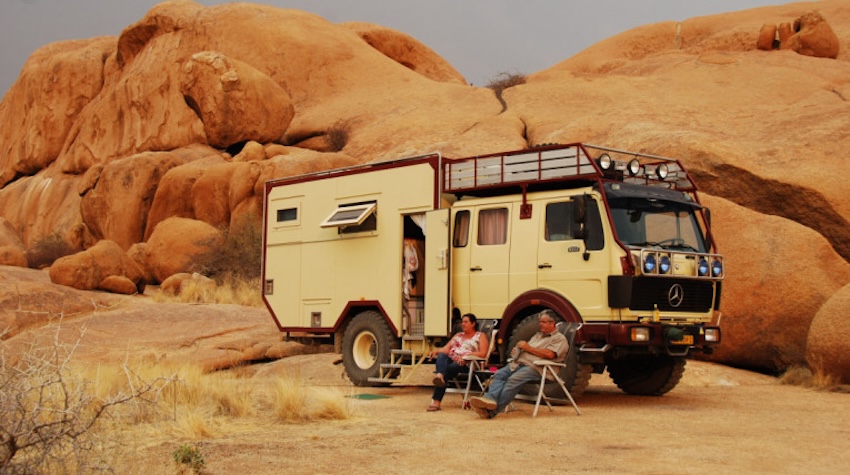
TRAVELING BY CAMPERVAN FOR THE FIRST TIME? HERE’S WHAT YOU SHOULD KNOW BEFORE YOU GO

NEW RAIL LINK BETWEEN REPUBLIKA SRPSKA AND SERBIA: DAILY TRAIN SERVICE FROM ZVORNIK TO BELGRADE
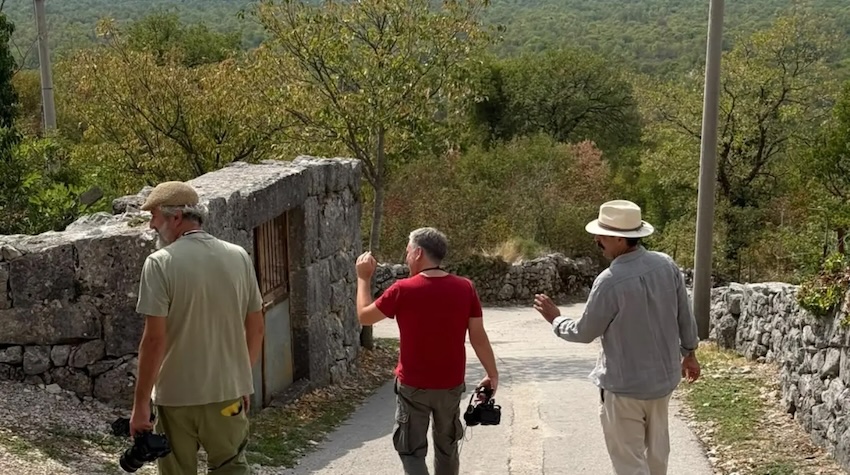
‘DRŽAVNI POSAO’ CREW FILMS NEW PROJECT IN TREBINJE
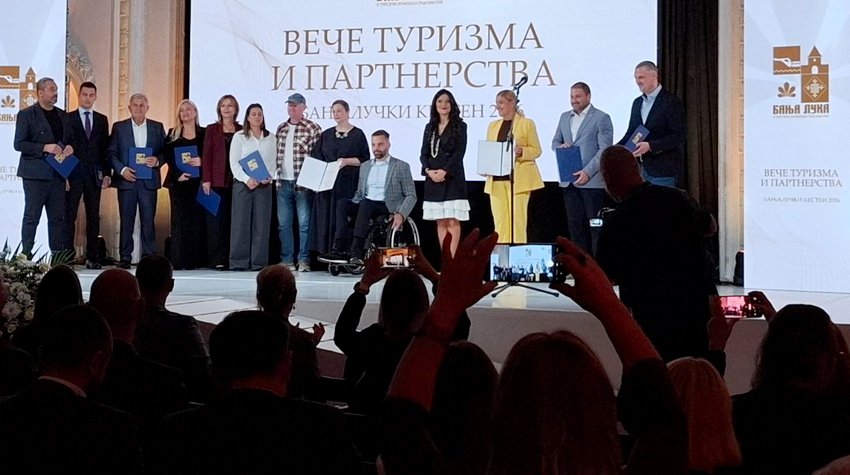
SEE SRPSKA RECEIVES CHARTER FROM BANJA LUKA TOURIST ORGANIZATION
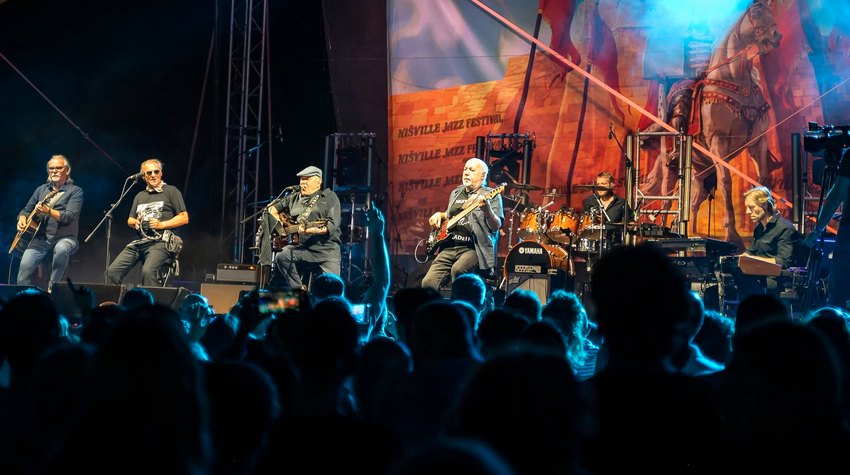
GALIJA TO CELEBRATE MAJOR ANNIVERSARY IN BANJA LUKA
NEW RAIL LINK BETWEEN REPUBLIKA SRPSKA AND SERBIA: DAILY TRAIN SERVICE FROM ZVORNIK TO BELGRADE
SEE SRPSKA RECEIVES CHARTER FROM BANJA LUKA TOURIST ORGANIZATION

BANJA LUKA BOOK FAIR 2026 OPENS TODAY
DAYS OF SEMBERIJA IN AUSTRIA: CULTURE, TRADITION AND LOCAL PRODUCTS PRESENTED TO AUSTRIAN AUDIENCES
FROM EUROPEAN STAGES TO HER HOMETOWN: JOVANA RALJIĆ BRINGS VIVALDI TO BANJALUKA


 The situation at the border crossings