RASTUŠA CAVE: AN ARCHAEOLOGICAL “ELDORADO” NEAR TESLIĆ
Hidden natural beauty beyond description, where stalagmites, flowstones, rimstone pools, and cave “hieroglyphs” blend with fragments of cave columns resembling ancient and Renaissance castles and monuments in various colors — these are the defining features of Rastuša Cave near Teslić.
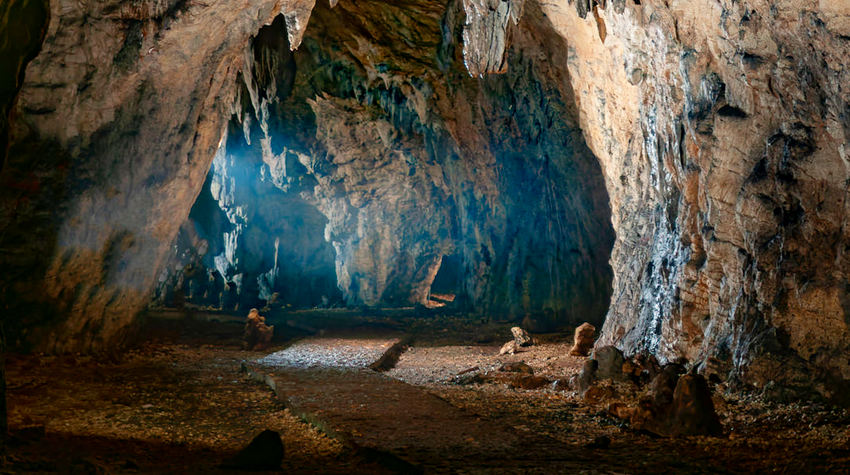
This remarkable speleological site was
explored in 2012 by Preston Tor Miracle, Senior Lecturer at the Department of
Archaeology at the University of Cambridge. After witnessing the richness of
this natural monument, Miracle described the Rastuša Cave site near Teslić as
an archaeological “Eldorado,” due to its abundance of Ice Age artifacts and
remains connected to Neanderthal habitation.
Speaking at the scientific conference “People
and Environment of the Ice Age in Republika Srpska” held in Banjaluka, Miracle
stated that, in addition to evidence of Neanderthal presence, numerous remains
of cave animals were discovered, including cave bears, deer, and cave lions.
A Natural Monument of National Importance
The attractiveness and uniqueness of the cave
formations, along with its rich archaeological, paleontological, and biospeleological
findings, make Rastuša Cave one of the most valuable natural monuments and
sites of national importance in Republika Srpska.
The “Rastuša Caves” consist of a complex of
six interconnected caves, forming a true karst enclave with all the characteristics
of karst terrain, including caves, sinkholes, depressions, and massive rock
formations.
These caves represent the largest
speleological complex in Republika Srpska.
One of Only Three “Tiger Pattern” Caves in Europe
Almost throughout their entire length, the
caves are richly decorated with cave ornaments. The ceilings and walls are
covered with calcite formations and diverse mineral deposits, among which the
so-called “Tiger Skin” patterns stand out as particularly unique.
Only three caves in Europe are known to
contain these tiger-like patterns in their cave decorations. One is located
near Paris, another near Vicenza in Italy, and the third is found in the
village of Rastuša near Teslić.
Because of its extraordinary geological
formations, archaeological significance, and untouched natural beauty, Rastuša
Cave is increasingly becoming one of the most important tourist and scientific
destinations in Bosnia and Herzegovina and the wider region.

Join our
Viber Community
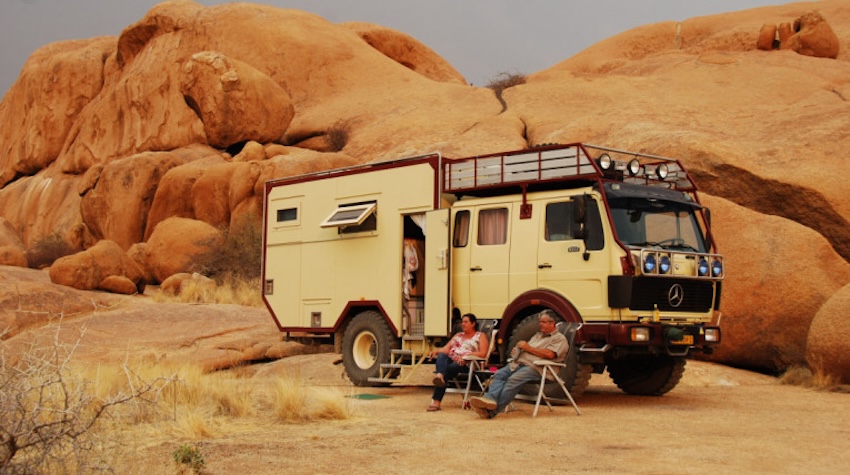
TRAVELING BY CAMPERVAN FOR THE FIRST TIME? HERE’S WHAT YOU SHOULD KNOW BEFORE YOU GO

NEW RAIL LINK BETWEEN REPUBLIKA SRPSKA AND SERBIA: DAILY TRAIN SERVICE FROM ZVORNIK TO BELGRADE
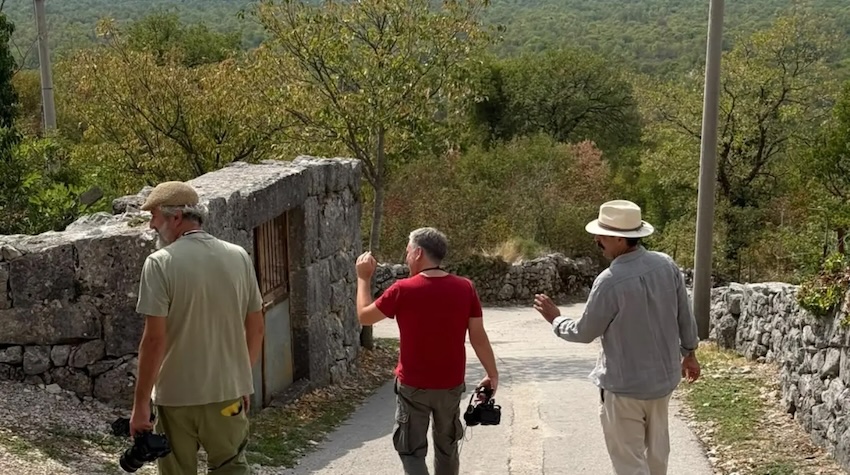
‘DRŽAVNI POSAO’ CREW FILMS NEW PROJECT IN TREBINJE

SEE SRPSKA RECEIVES CHARTER FROM BANJA LUKA TOURIST ORGANIZATION

GALIJA TO CELEBRATE MAJOR ANNIVERSARY IN BANJA LUKA
NEW RAIL LINK BETWEEN REPUBLIKA SRPSKA AND SERBIA: DAILY TRAIN SERVICE FROM ZVORNIK TO BELGRADE
SEE SRPSKA RECEIVES CHARTER FROM BANJA LUKA TOURIST ORGANIZATION

BANJA LUKA BOOK FAIR 2026 OPENS TODAY

DAYS OF SEMBERIJA IN AUSTRIA: CULTURE, TRADITION AND LOCAL PRODUCTS PRESENTED TO AUSTRIAN AUDIENCES

FROM EUROPEAN STAGES TO HER HOMETOWN: JOVANA RALJIĆ BRINGS VIVALDI TO BANJALUKA


 The situation at the border crossings