CROWN OF KING TVRTKO I SHINES AGAIN
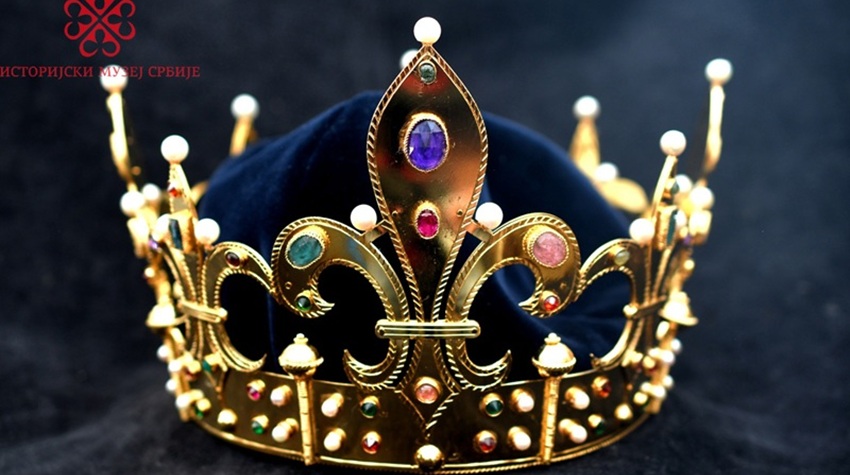
The exhibition “Waiting for the Permanent Display” at the Historical Museum of Serbia in Belgrade has been enriched with new artifacts, including a reconstruction of the crown of King Tvrtko I Kotromanić.

The display has also been expanded with a replica of the hand cross – the reliquary cross (stavroteka) of Saint Sava – as well as a copy of the Studenica Cross from the northern portal of the Church of the Virgin, dating from the time of Grand Župan Stefan Nemanja, the museum announced.
The crown of Tvrtko I, who bore the title “King of the Serbs, Bosnia, the Littoral, the Land of Hum, Lower Regions, Western Sides, Usora and Podrinje,” was created based on analogies from the period, with particular reference to the votive Angevin crown of the 14th century.
The lily, the primary motif of the Angevin ruling house, had earlier been adopted as a symbol of rulership in Serbian lands, the museum noted.
The statement adds that the lily crown also appears on coins of Tvrtko I Kotromanić. The reconstruction is made of gilded silver and decorated with freshwater pearls, amethysts, rubies, tourmalines, garnets and emeralds.
The reconstruction of the possible appearance of King Tvrtko I’s crown was made by filigree artist Goran Ristović Pokimica in consultation with archaeologist Marko Aleksić.
The replica of the hand cross – the reliquary of Saint Sava – was also crafted by Goran Ristović Pokimica, modeled on the original kept in the Museum of the Catholic Diocese of Borgia in Piacenza. The cross, inscribed “Sava, first Archbishop and Patriarch of the Serbs,” is preserved there as a gift from Pope Pius II.
The relic originates from the treasury of the Žiča Monastery, from where the widow of Lazar Branković took it to the court of her father Thomas Palaiologos, Despot of Morea, fearing Ottoman expansion. For the same reason, in 1461 he transferred the relic to Italy, where it has been kept ever since. The replica is made of gilded silver and adorned with freshwater pearls, rock crystal, amethysts, and sapphires.
The copy of the Studenica Cross, one of the well-known symbols of Serbian architecture and culture from the time of Grand Župan Stefan Nemanja, was created by sculptor Vladimir Jablanović. The disc-shaped stone composition is modeled on the famous representation of the Studenica Cross above the northern gate of the Church of the Virgin and made from the same type of marble.
The marble sculpture represents a special cultural and artistic treasure of the church, reflected in this cross, which combines early Christian symbolism of the anchor—signifying salvation and security—with symbolism of fertility and prosperity, expressed through floral decorations at its ends.
The exhibition “Waiting for the Permanent Display” is designed to offer insight into individual sections of the museum’s future permanent exhibition. In side halls, objects belonging to the founders and successors of the Karađorđević and Obrenović dynasties are presented, while the remaining space covers the pre-Nemanjić and Nemanjić periods, the fall of the medieval Serbian state under Ottoman rule, and the era of the Serbian Despotate.
The exhibition also features reconstructions of crowns and garments of medieval Serbian rulers and consorts, created to recall this important period of Serbian history.

Join our
Viber Community
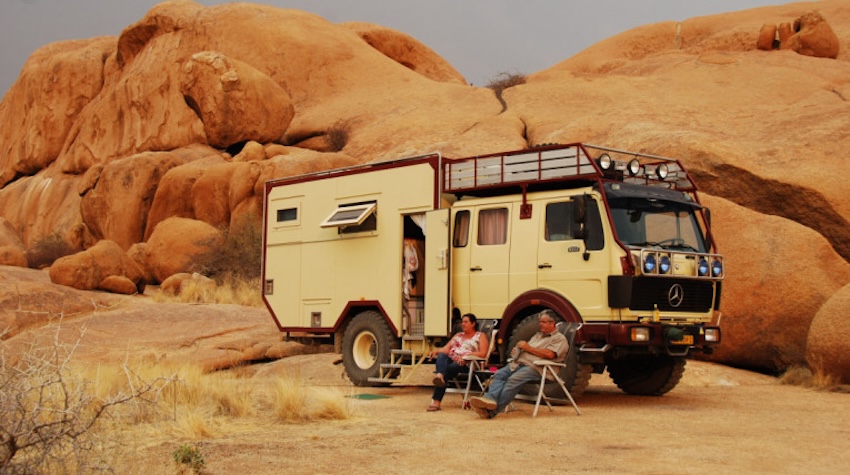
TRAVELING BY CAMPERVAN FOR THE FIRST TIME? HERE’S WHAT YOU SHOULD KNOW BEFORE YOU GO

NEW RAIL LINK BETWEEN REPUBLIKA SRPSKA AND SERBIA: DAILY TRAIN SERVICE FROM ZVORNIK TO BELGRADE
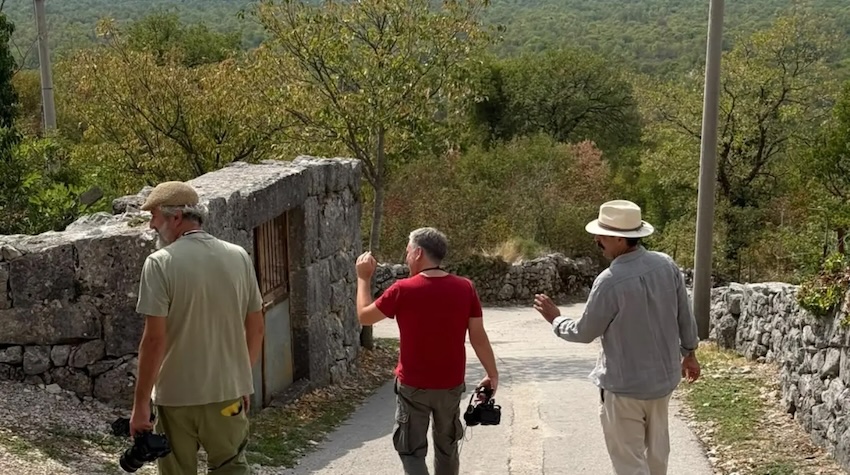
‘DRŽAVNI POSAO’ CREW FILMS NEW PROJECT IN TREBINJE

SEE SRPSKA RECEIVES CHARTER FROM BANJA LUKA TOURIST ORGANIZATION
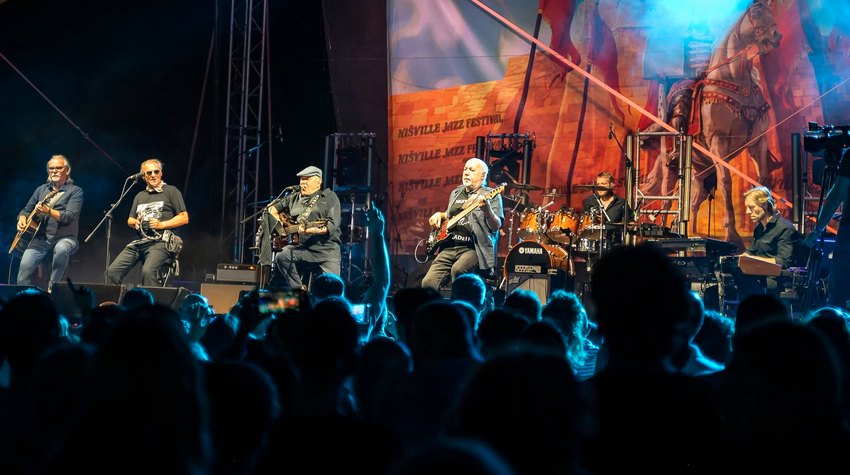
GALIJA TO CELEBRATE MAJOR ANNIVERSARY IN BANJA LUKA
SEE SRPSKA RECEIVES CHARTER FROM BANJA LUKA TOURIST ORGANIZATION
NEW RAIL LINK BETWEEN REPUBLIKA SRPSKA AND SERBIA: DAILY TRAIN SERVICE FROM ZVORNIK TO BELGRADE
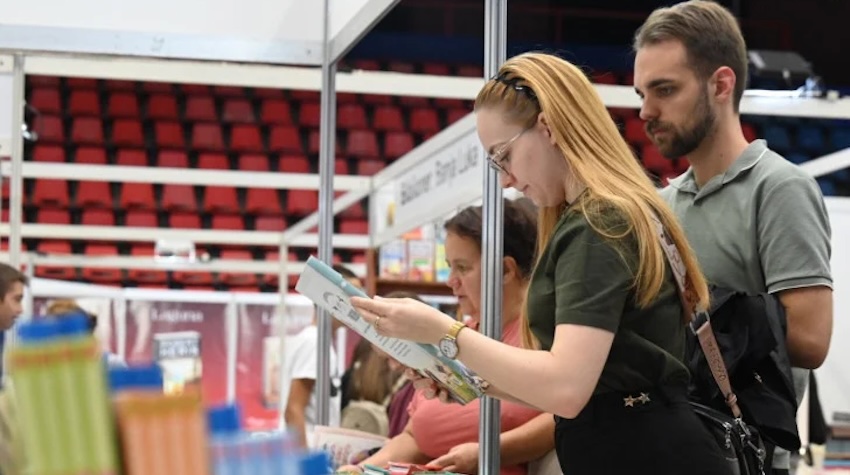
BANJA LUKA BOOK FAIR 2026 OPENS TODAY
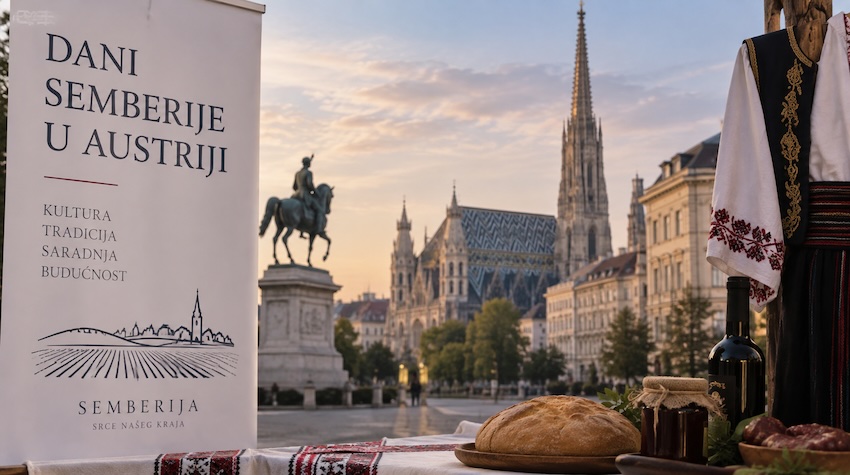
DAYS OF SEMBERIJA IN AUSTRIA: CULTURE, TRADITION AND LOCAL PRODUCTS PRESENTED TO AUSTRIAN AUDIENCES
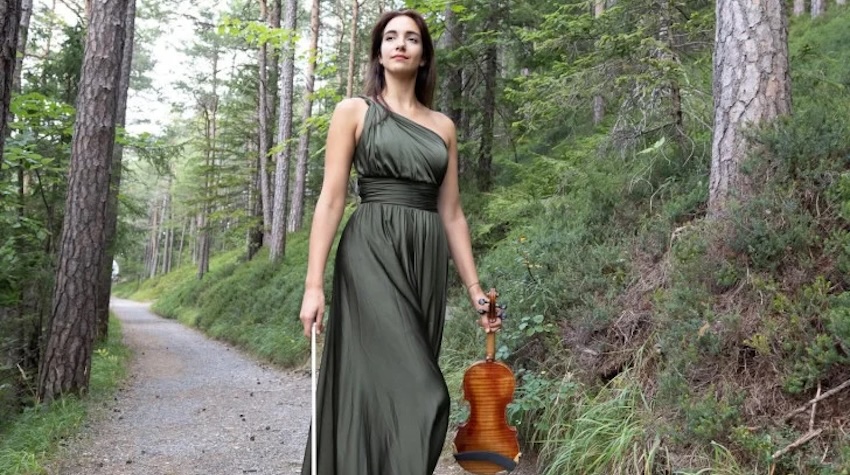
FROM EUROPEAN STAGES TO HER HOMETOWN: JOVANA RALJIĆ BRINGS VIVALDI TO BANJALUKA


 The situation at the border crossings