THE RULES OF THE CHRISTMAS FAST IN THE ORTHODOX TRADITION
The Christmas Fast is one of the most significant periods of fasting in the Orthodox Christian tradition. It represents a time of spiritual peace, prayer, mutual tolerance, and the renewal of both soul and body.

According
to the calendar of the Serbian Orthodox Church, the Christmas Fast in 2025
begins on November 28 (Gregorian calendar) and lasts until Christmas Eve,
January 6, 2026. The fast lasts a total of 40 days, during which believers
prepare for the celebration of the Nativity of Christ.
Although
considered milder than the Easter Fast, the Christmas Fast still follows
clearly defined rules. Meat, dairy products, and eggs are prohibited. Alcohol
is generally avoided, except on days when the use of oil and wine is permitted.
Believers are encouraged to refrain from heavy, greasy, and overly rich foods.
Levels
of Strictness Throughout the Fast
One of
the major feast days during the early period of the fast is the Entry of the
Most Holy Theotokos into the Temple (December 4). Since the feast falls on a
Thursday in 2025, food prepared with oil is allowed.
The
Final Week – The Strictest Period
During
the last seven days of the fast, fish is no longer permitted.
On
Christmas Eve (Badnji dan), believers observe a strict fast, while fish is
allowed during the evening meal on Christmas Eve.
Spiritual
Fasting – The Essence of the Fast
Clergy
continually remind the faithful that the true purpose of fasting is spiritual
purification, not merely abstinence from certain foods. As Saint John
Chrysostom teaches, fasting has little value unless it is accompanied by inner
peace and sincere personal transformation.
“Do
not say: I have fasted this many days, I have avoided this or that food…
Instead ask yourself: have you become gentler? If your heart is still filled
with anger, why torment your body?”
The essence of fasting is to:
–
cultivate humility,
–
forgive,
–
release anger and resentment,
–
respect and help others,
–
enter the feast day with a pure and peaceful heart.

Join our
Viber Community
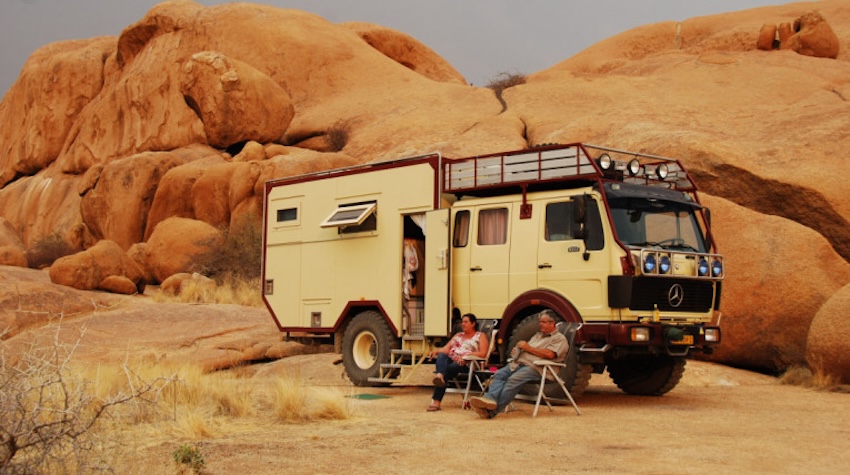
TRAVELING BY CAMPERVAN FOR THE FIRST TIME? HERE’S WHAT YOU SHOULD KNOW BEFORE YOU GO

NEW RAIL LINK BETWEEN REPUBLIKA SRPSKA AND SERBIA: DAILY TRAIN SERVICE FROM ZVORNIK TO BELGRADE
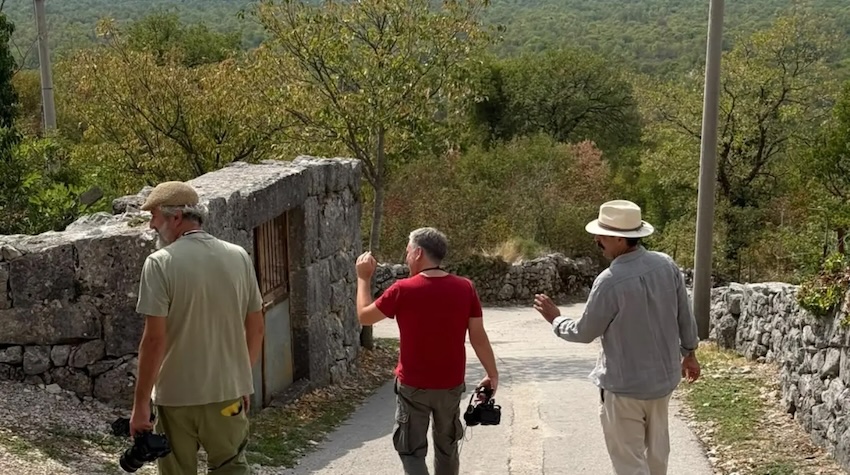
‘DRŽAVNI POSAO’ CREW FILMS NEW PROJECT IN TREBINJE
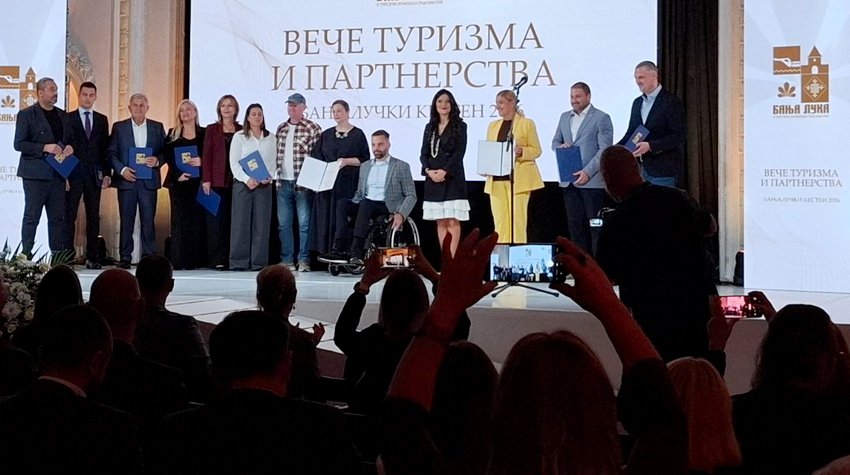
SEE SRPSKA RECEIVES CHARTER FROM BANJA LUKA TOURIST ORGANIZATION
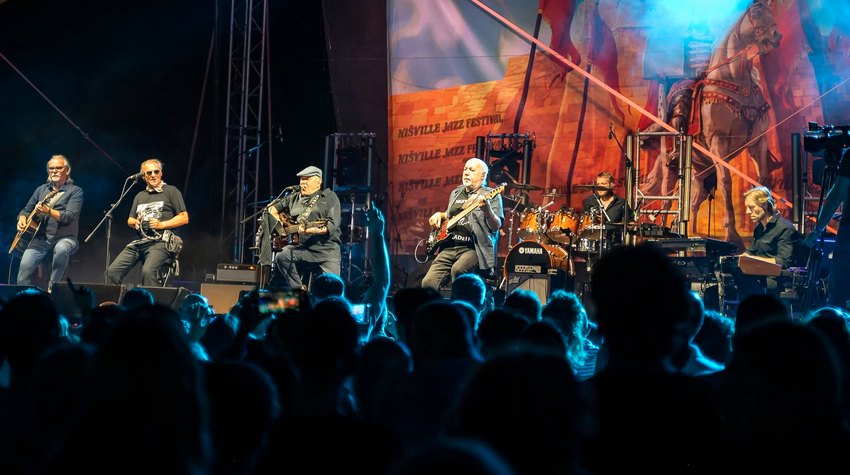
GALIJA TO CELEBRATE MAJOR ANNIVERSARY IN BANJA LUKA
NEW RAIL LINK BETWEEN REPUBLIKA SRPSKA AND SERBIA: DAILY TRAIN SERVICE FROM ZVORNIK TO BELGRADE
SEE SRPSKA RECEIVES CHARTER FROM BANJA LUKA TOURIST ORGANIZATION

BANJA LUKA BOOK FAIR 2026 OPENS TODAY
DAYS OF SEMBERIJA IN AUSTRIA: CULTURE, TRADITION AND LOCAL PRODUCTS PRESENTED TO AUSTRIAN AUDIENCES

FROM EUROPEAN STAGES TO HER HOMETOWN: JOVANA RALJIĆ BRINGS VIVALDI TO BANJALUKA

 The situation at the border crossings