TRADITIONAL HERZEGOVINIAN SHOES MADE BY SLOBODAN POPOVIĆ TRAVEL THE GLOBE
Slobodan Popović from Ljubinje is the last known traditional shoemaker (opančar) in Herzegovina—a humble and patient craftsman who has, almost by chance, revived a centuries-old trade.

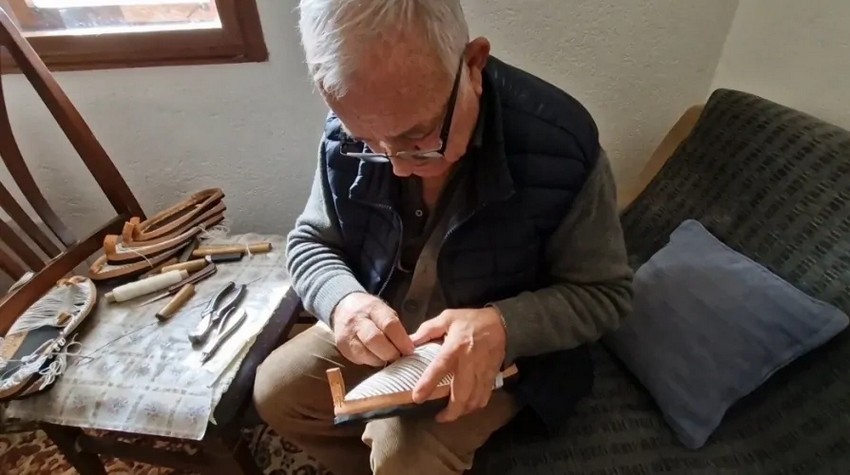
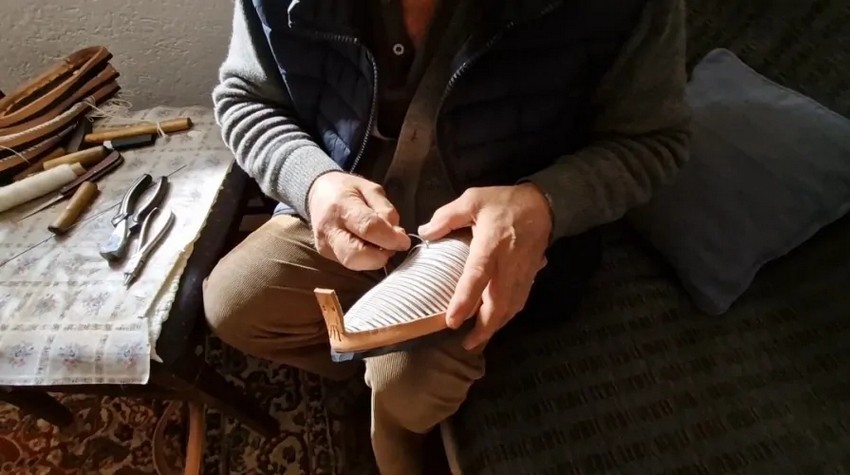
“I’m
not completely sure I’m the only one, but I believe I am. I get orders from
both East and West Herzegovina, and all my customers tell me there’s no one
else doing this,” says Popović, whose calm nature reflects the dedication and
precision required for his craft.
Despite
approaching his ninth decade, Popović only began making traditional shoes, or
"opanci", during the war in the 1990s. “I was stationed at a
relatively calm frontline, and while we had clothes, footwear was falling
apart. There was no money and no stores. So I gathered some makeshift materials
and made my first pair of opanci. They were clumsy, but they did the job.
Others around me were also barefoot, so I kept making more. Each new pair got
better.”
After
the war, his name quickly spread. Today, his handmade shoes are worn by
cultural folk groups across Bosnia and Herzegovina—in Sarajevo, Ilijaš, and
Bijeljina—and have even been sent to Rab Island in Croatia and to Serbian
diaspora communities in places like Gajdobra, Serbia. He recalls a single order
of 50 pairs from Rab, and now believes his opanci have reached every continent
except Africa.
“Nowadays,
orders come smoothly—people hear about me, find me on Facebook, and place their
orders,” he says. As business grew, Popović invested in molds ranging from baby
sizes to size 51, which he once made for a basketball player from Gacko playing
in Belgrade.
The real challenge, he explains, is not crafting the shoes, but sourcing the materials. “When I was young, most of the materials—except for the metal buckles—were readily available at home. Now I source leather from Belgrade, rubber from Sarajevo, buckles from Novi Sad, and twine from Dubrovnik,” he says.
Most
materials arrive quickly via express shipping, which increases the final cost.
Still, his prices remain accessible: until recently, a pair cost 100 KM (about
€50), and now ranges from 120 to 130 KM, depending on the model.
“When
I work alone, it takes me two days to make one pair. Sometimes my wife or one
of my sons helps, especially if the customer is in a hurry,” says Popović. “I
don’t make a huge profit, but it’s a nice supplement to my pension. If I
focused solely on the business and did more promotion, it could be a full-time
income. But I treat it as a hobby, so any money I earn feels like a bonus. And
I can’t complain—my customers are generous and never try to haggle.”
He is
especially proud that both of his sons have shown interest in the trade. “It’s
good for them to learn a craft, and it means the tradition of opančarstvo might
continue in Herzegovina,” Popović concludes.

Join our
Viber Community
TRAVELING BY CAMPERVAN FOR THE FIRST TIME? HERE’S WHAT YOU SHOULD KNOW BEFORE YOU GO
NEW RAIL LINK BETWEEN REPUBLIKA SRPSKA AND SERBIA: DAILY TRAIN SERVICE FROM ZVORNIK TO BELGRADE
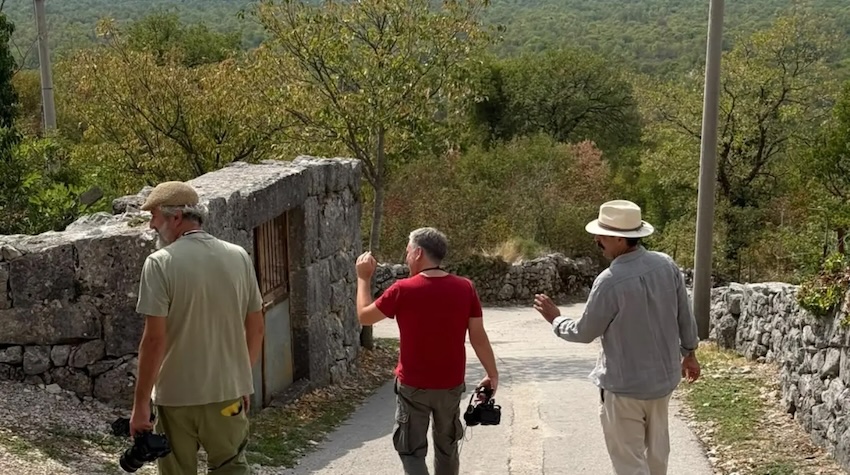
‘DRŽAVNI POSAO’ CREW FILMS NEW PROJECT IN TREBINJE
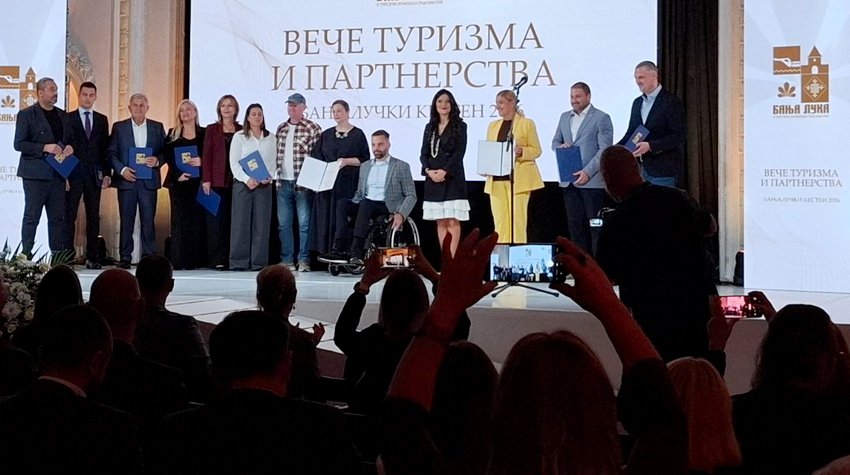
SEE SRPSKA RECEIVES CHARTER FROM BANJA LUKA TOURIST ORGANIZATION
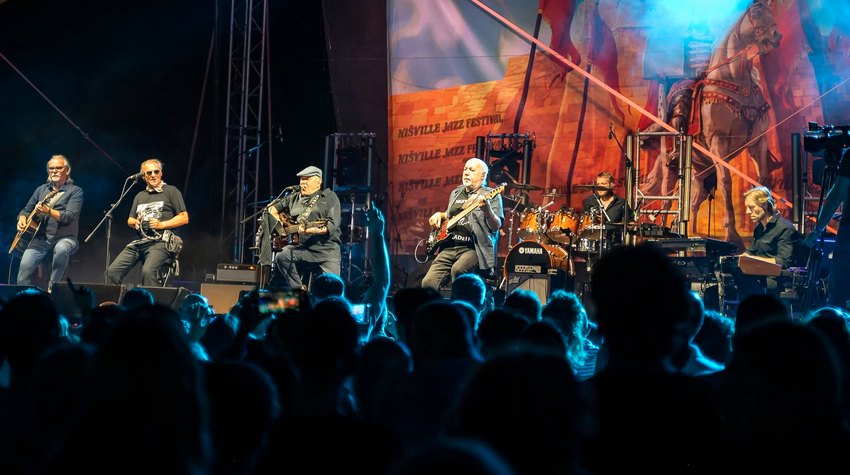
GALIJA TO CELEBRATE MAJOR ANNIVERSARY IN BANJA LUKA
NEW RAIL LINK BETWEEN REPUBLIKA SRPSKA AND SERBIA: DAILY TRAIN SERVICE FROM ZVORNIK TO BELGRADE
SEE SRPSKA RECEIVES CHARTER FROM BANJA LUKA TOURIST ORGANIZATION
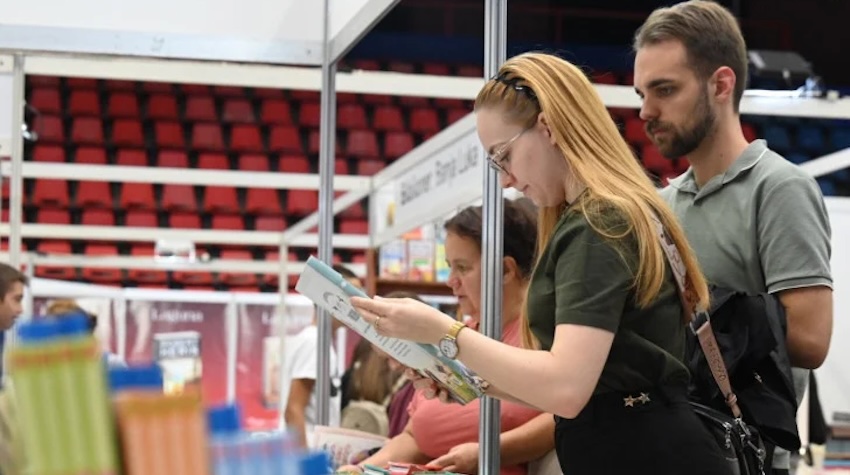
BANJA LUKA BOOK FAIR 2026 OPENS TODAY
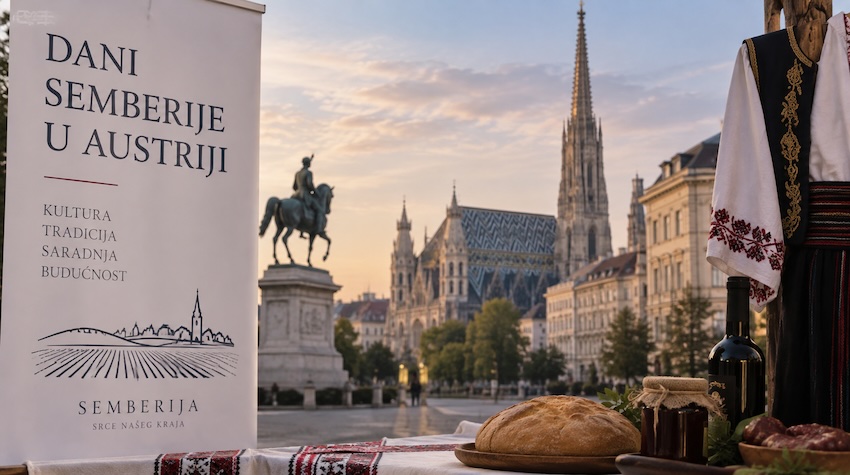
DAYS OF SEMBERIJA IN AUSTRIA: CULTURE, TRADITION AND LOCAL PRODUCTS PRESENTED TO AUSTRIAN AUDIENCES
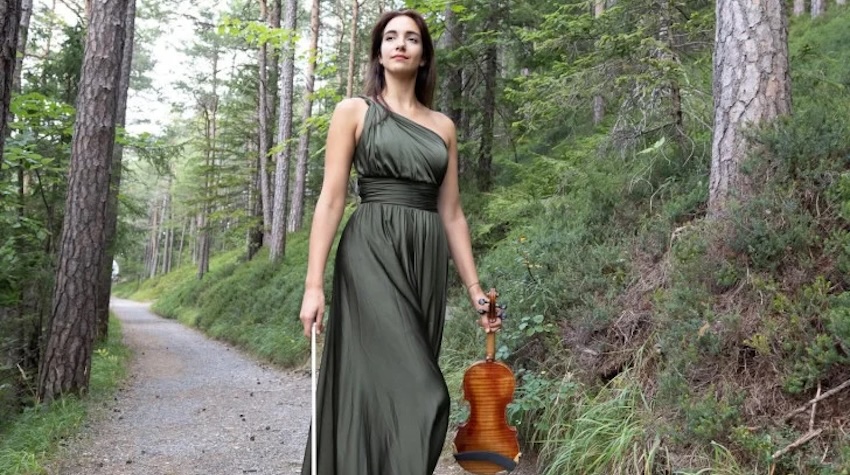
FROM EUROPEAN STAGES TO HER HOMETOWN: JOVANA RALJIĆ BRINGS VIVALDI TO BANJALUKA

 The situation at the border crossings