HERZEGOVINA MUSEUM TAKES VISITORS BACK TO THE MIDDLE AGES
For the third consecutive year, the Herzegovina Museum in Trebinje joined the European initiative “Night of Fortresses,” a cultural event that this time brought together 73 historical sites across ten countries, including Italy, Romania, Serbia, Montenegro, and Bosnia and Herzegovina.


At the opening ceremony, museum educator Simo Radić highlighted that the event in Bosnia and Herzegovina is organized through the EU project GIFTSnet, under the Interreg VI-A IPA Cross-border Cooperation Program Croatia – Bosnia and Herzegovina – Montenegro 2021–2027.
“This cross-border program connects fortresses from Šibenik and Karlovac in Croatia, Bar and Ulcinj in Montenegro, and Banja Luka and Trebinje in Bosnia and Herzegovina, aiming to promote cooperation and mutual support in preserving and showcasing our shared cultural heritage,” Radić explained.
Following the opening, visitors enjoyed the interactive workshop “Medieval Court,” where they experienced life in a medieval royal court, learning about historical clothing, food customs, and daily life. Many took the opportunity to take photos with a medieval king, queen, and knights.
Anastasija Koprivica, who portrayed Queen Jelena of Anjou, said she was honored to be part of the event.
“This is one of the most important events in our city, and I’m proud to play such a significant role. It’s fascinating to bring history to life in such an engaging way. The Middle Ages leave a deep impression, especially when you compare the past to modern times—transportation by horses and carriages, natural lifestyles, and an entirely different spirit,” she said. “The knights left a special impression tonight; we had two in full armor who were fantastic in their roles.”
One of those knights was Nikola Popovac.
“As a history enthusiast, I find this whole experience exciting. I’m especially drawn to the strict codes of conduct from that era. Tonight I’m portraying a knight with symbols of the Nemanjić dynasty, armed with a shield and spear. The audience loved it—many stopped to take pictures with us,” Popovac noted.
The event also included a musical concert featuring award-winning students from the Trebinje Music School. Professor Lana Perović explained that the evening’s program included performances by flutists Marina Mučibabić (a laureate), Marija Zirojević (first prize), and a trio composed of Sara Višnjić, Lara Pujić, and Emilija Jašić, who earned second prize at the Republic-level competition.
“We’ve had many winners this year, so we made a selection for this event. All of them will perform again at our full concert in the Cultural Center on May 15,” said Perović.
Additionally, a handicraft workshop led by the “Vasila” women’s association showcased traditional embroidery using natural materials. Visitors could also enjoy a guided tour of the exhibition “The Last Griffon Vulture in the Trebinje Area,” which highlighted the ecological importance of this now-absent species.
In the museum courtyard, guests were invited to explore the night sky through a telescope, thanks to the Trebinje Astronomical Society and the Center for Sustainable Development and Ecology (CORIE). Throughout the event, visitors also had access to a VR tour of Austro-Hungarian fortifications on the hills surrounding Trebinje.

Join our
Viber Community
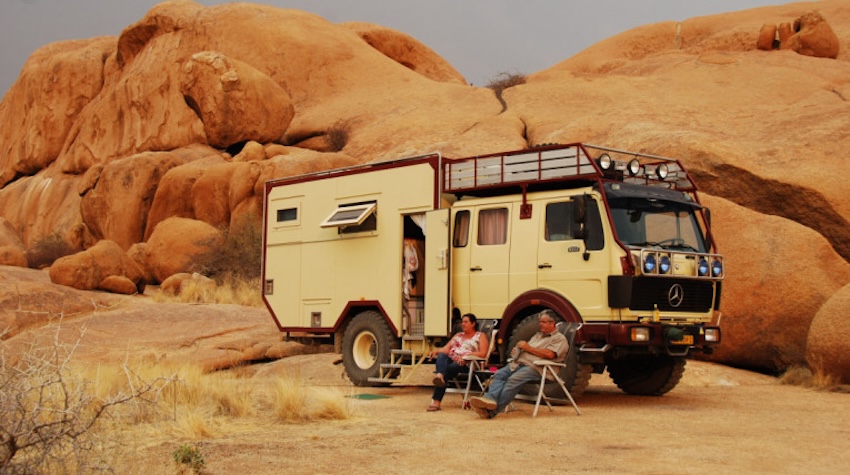
TRAVELING BY CAMPERVAN FOR THE FIRST TIME? HERE’S WHAT YOU SHOULD KNOW BEFORE YOU GO

NEW RAIL LINK BETWEEN REPUBLIKA SRPSKA AND SERBIA: DAILY TRAIN SERVICE FROM ZVORNIK TO BELGRADE
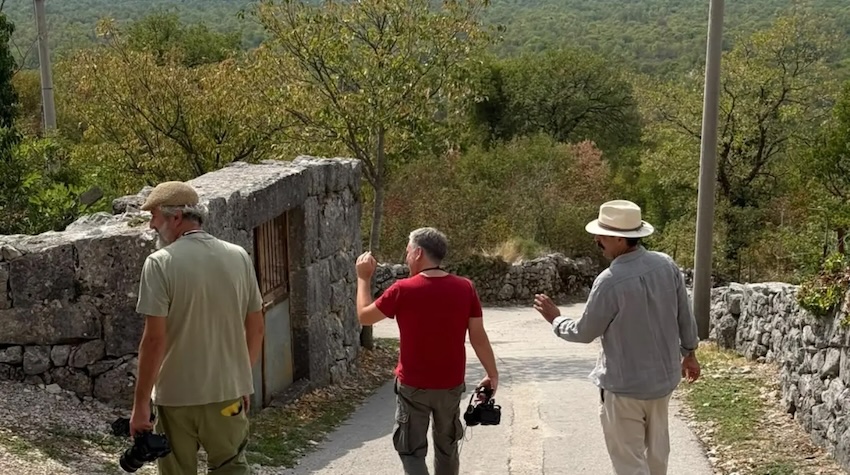
‘DRŽAVNI POSAO’ CREW FILMS NEW PROJECT IN TREBINJE
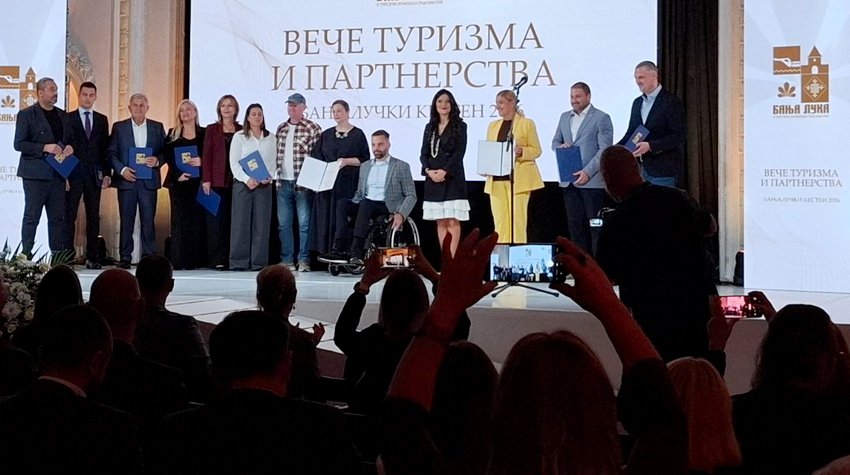
SEE SRPSKA RECEIVES CHARTER FROM BANJA LUKA TOURIST ORGANIZATION
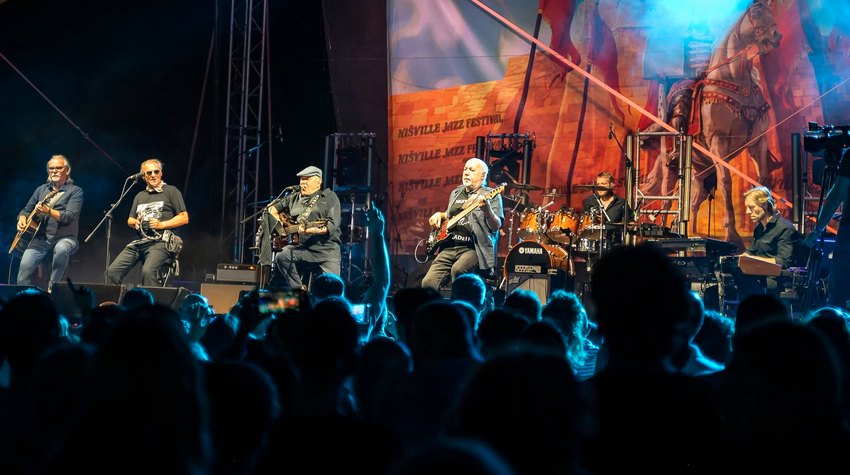
GALIJA TO CELEBRATE MAJOR ANNIVERSARY IN BANJA LUKA
NEW RAIL LINK BETWEEN REPUBLIKA SRPSKA AND SERBIA: DAILY TRAIN SERVICE FROM ZVORNIK TO BELGRADE
SEE SRPSKA RECEIVES CHARTER FROM BANJA LUKA TOURIST ORGANIZATION
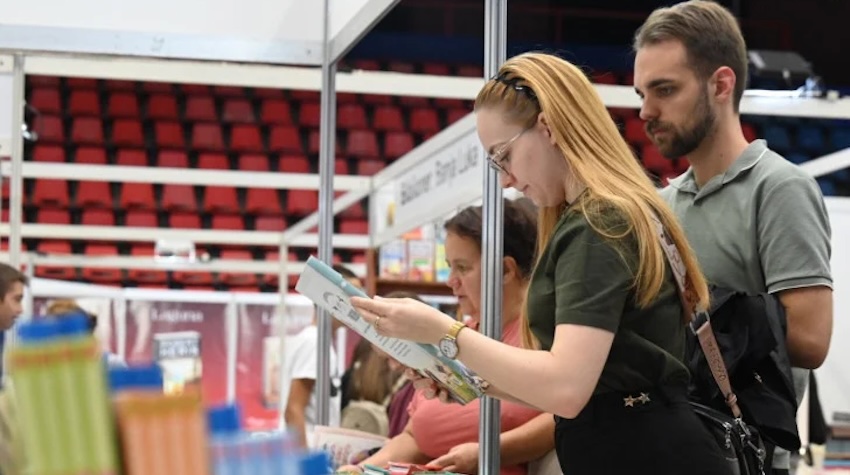
BANJA LUKA BOOK FAIR 2026 OPENS TODAY
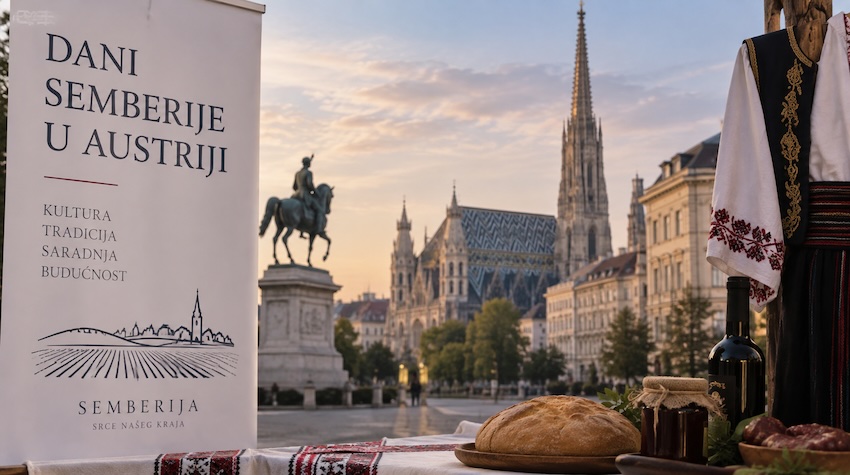
DAYS OF SEMBERIJA IN AUSTRIA: CULTURE, TRADITION AND LOCAL PRODUCTS PRESENTED TO AUSTRIAN AUDIENCES
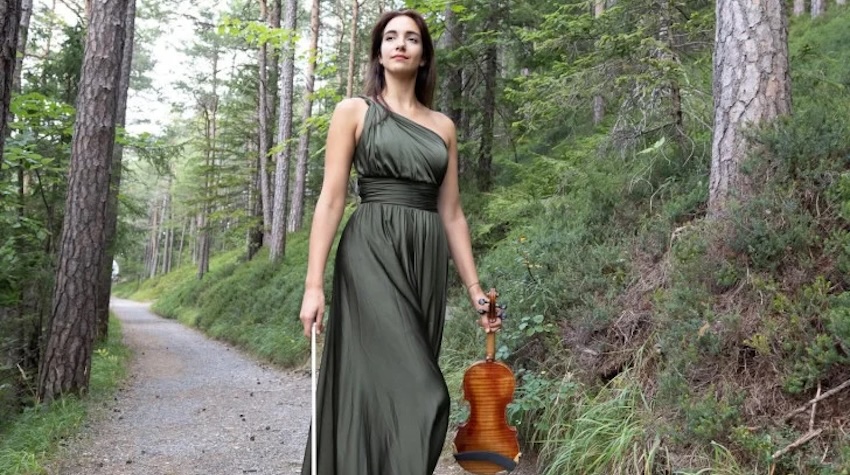
FROM EUROPEAN STAGES TO HER HOMETOWN: JOVANA RALJIĆ BRINGS VIVALDI TO BANJALUKA


 The situation at the border crossings