A WITNESS TO CENTURIES: THE MONASTERY OF ST. GEORGE NEAR TREBINJE
The Monastery of St. George in Zupci, near Trebinje, is an ancient Herzegovinian sanctuary whose history is traditionally associated with the period of the medieval Serbian state and the time of Saint Sava.
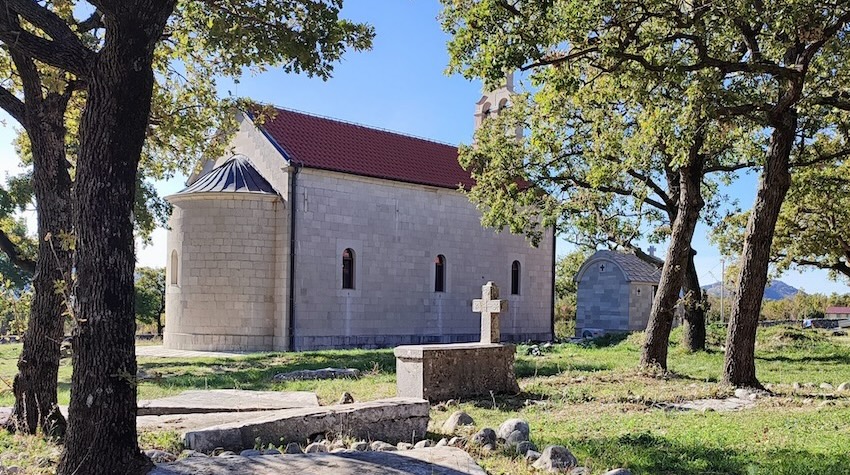
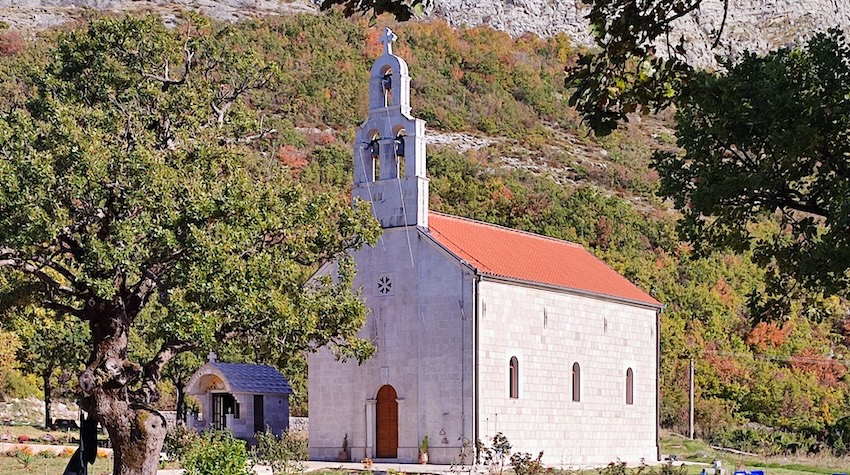
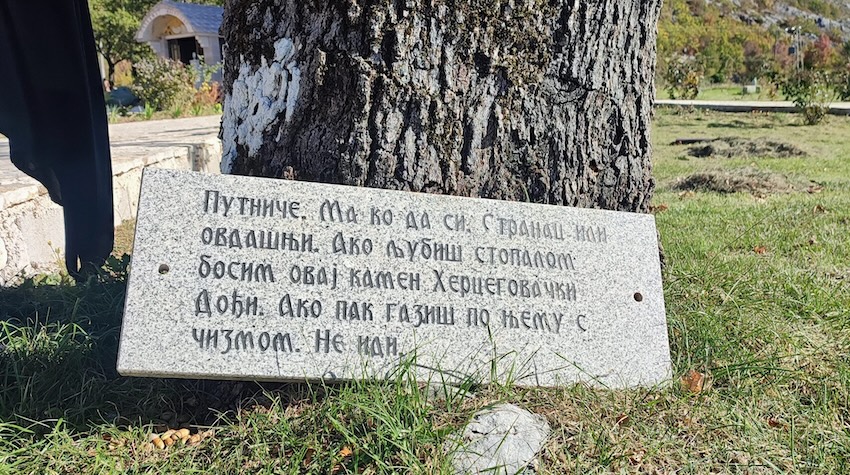

According to tradition, at the height of its importance, the monastery was home to a large monastic community, reportedly numbering around fifty monks. This points to its significant role as a spiritual center in this part of Herzegovina.
CENTURIES OF DESTRUCTION AND RENEWAL
The turbulent history of the region left a deep mark on the monastery. During the Ottoman period, the sanctuary suffered destruction and gradually fell into decline. By the 18th century, monastic life had almost completely disappeared.
A new chapter began in the 19th century, when the people of Zupci restored the monastery, preserving a place that had been closely connected with the spiritual and cultural heritage of the region for centuries.
During the 20th century, the monastery once again went through a period of neglect, before its spiritual revival began toward the end of the century.
THE RETURN OF MONASTIC LIFE
An important role in the revival of the monastery was played by Bishop Atanasije Jevtić of Zahumlje and Herzegovina. During this period, the monastery became active again and monastic life was restored.
Today, the Monastery of St. George is home to an active monastic community and welcomes numerous believers, pilgrims and visitors interested in the rich religious and cultural heritage of Herzegovina.
Set amid the distinctive landscape of Zupci, not far from Trebinje, the monastery is a remarkable witness to the region’s centuries-old history. From its medieval roots and periods of destruction to repeated restoration and the revival of monastic life, the Monastery of St. George continues to preserve an important part of Herzegovina’s spiritual and cultural heritage.

Join our
Viber Community









 The situation at the border crossings