PRESERVING THE CENTURIES-OLD TRADITION OF WATERMILLS: THE STORY OF ANĐELKO DELIĆ
For centuries, watermills have been a fusion of human ingenuity and natural power, their rhythmic clatter and the soothing rush of water embodying the heartbeat of rural communities. These humble yet essential machines were once the lifeline for grinding grain into flour, a fundamental staple of life.

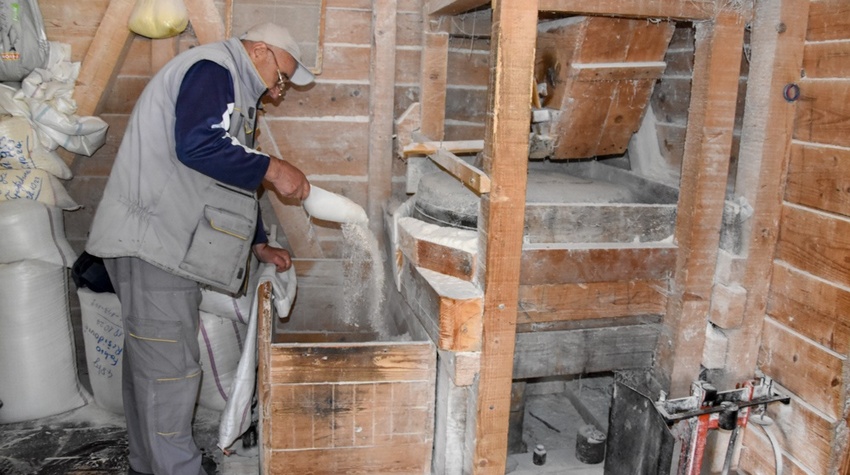
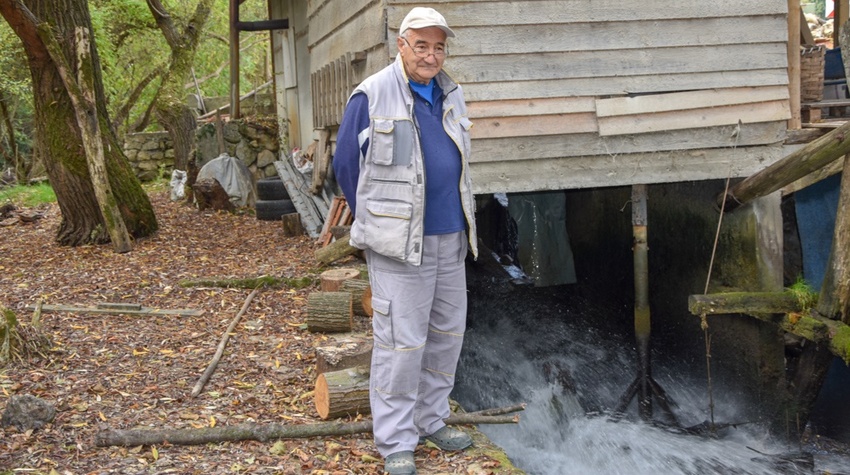
While most have fallen silent, their purpose replaced by modern technology, one man has committed his life to keeping this tradition alive. Anđelko Delić, hailing from Priboj near Lopare, is a fifth-generation miller who rebuilt his family’s watermill in 2009, bringing a slice of history back to life.
Reviving a Legacy
“Our story begins in 1756 during the Ottoman era,” Anđelko explains. “After a plague emptied this area, it was repopulated, mainly by Orthodox Christians. My ancestor Gavro arrived with a bey who granted him permission to build mills along the river Janja. Over time, they were destroyed and rebuilt until, in 1914, a devastating flood claimed the mill and the life of its miller.”
Centuries later, Anđelko sought to revive this lost legacy. Armed with historical maps from the Bijeljina museum, he built his mill on the very spot where Gavro's mill once stood. “It was an uphill battle,” he recalls. “I started with little more than determination and faith. After years of struggle, I finally ground my first batch of flour.”
Crafting Success Through Ingenuity
Attracting customers required creative thinking. Anđelko devised an ingenious marketing strategy. “I bought wheat and corn, bagged it under fictitious customer names, and displayed it in the mill. Curious visitors assumed business was booming. Within weeks, real customers began pouring in,” he recounts with a smile.
This entrepreneurial spirit has sustained the mill through many challenges, including catastrophic floods in 2014. “Exactly a century after the 1914 disaster, the Janja overflowed again,” Anđelko says. “But this time, the mill stood its ground.”
Mystique and Tradition
Watermills have long been surrounded by folklore, their solitude and constant motion inspiring tales of mystery. “Writers like Andrić and Matavulj often featured mills in their works, but it’s Milovan Glišić’s story ‘The Butterfly’ that resonated most with me,” Anđelko shares. “As a child, it scared me enough to avoid walking past mills at night.”
Even today, superstitions linger. “People bring their children here, believing the water’s sound can calm restless minds. Some ask for ceremonial bread to aid speech development or fertility. The mill’s stream is thought to have healing properties,” he explains.
A New Generation Embraces the Craft
Anđelko’s sons, Bogosav and Ivan, have embraced their heritage, continuing the mill’s operations and farming over 20 hectares of heirloom corn. “I’ve left the business in their hands,” he says. “They work tirelessly, blending traditional milling with modern agricultural practices.”
For Bogosav, the journey is fulfilling yet uncertain. “It’s too early to judge if I’ve made the right choice, but I have no regrets. It’s rewarding but requires significant investment,” he reflects.
Showcasing Tradition
Anđelko actively promotes his craft through fairs and exhibitions. “A well-presented stand is crucial. Each year, we refine our display to attract attention,” he notes, proudly displaying awards for the most beautifully arranged exhibits.
To Anđelko, watermills are more than relics. They’re vital links to our cultural heritage. “Every community should maintain a working mill, not just as a museum piece but as a safeguard for times of crisis,” he concludes.

Join our
Viber Community
TRAVELING BY CAMPERVAN FOR THE FIRST TIME? HERE’S WHAT YOU SHOULD KNOW BEFORE YOU GO

NEW RAIL LINK BETWEEN REPUBLIKA SRPSKA AND SERBIA: DAILY TRAIN SERVICE FROM ZVORNIK TO BELGRADE
‘DRŽAVNI POSAO’ CREW FILMS NEW PROJECT IN TREBINJE
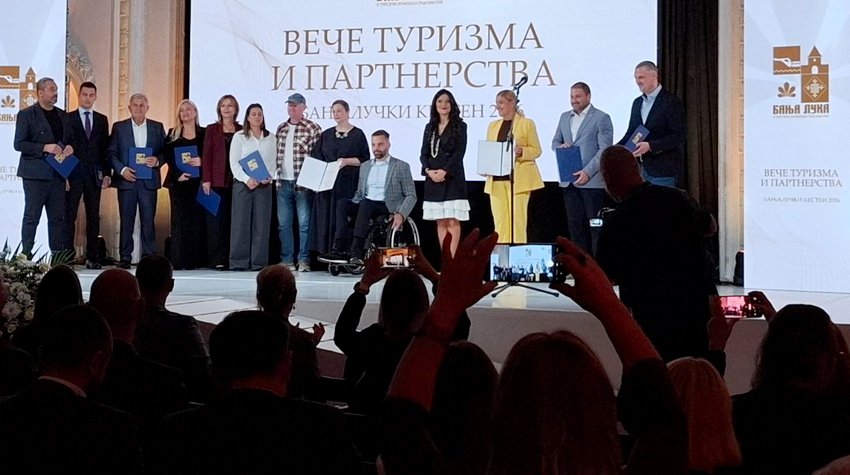
SEE SRPSKA RECEIVES CHARTER FROM BANJA LUKA TOURIST ORGANIZATION
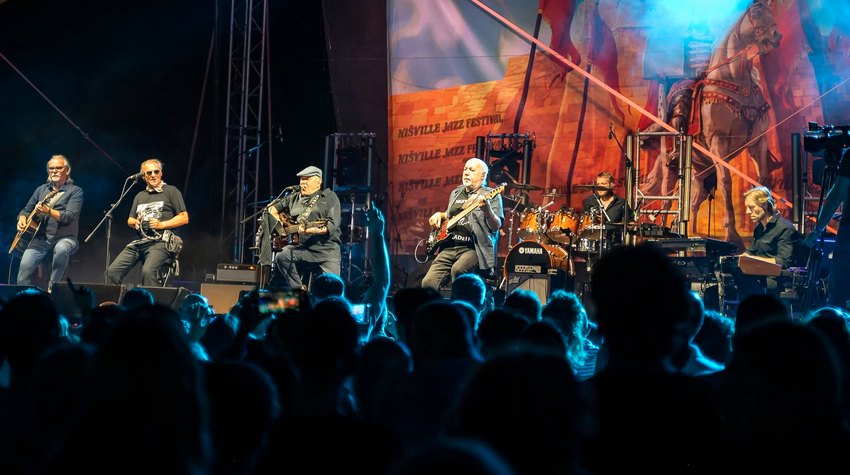
GALIJA TO CELEBRATE MAJOR ANNIVERSARY IN BANJA LUKA
NEW RAIL LINK BETWEEN REPUBLIKA SRPSKA AND SERBIA: DAILY TRAIN SERVICE FROM ZVORNIK TO BELGRADE
SEE SRPSKA RECEIVES CHARTER FROM BANJA LUKA TOURIST ORGANIZATION
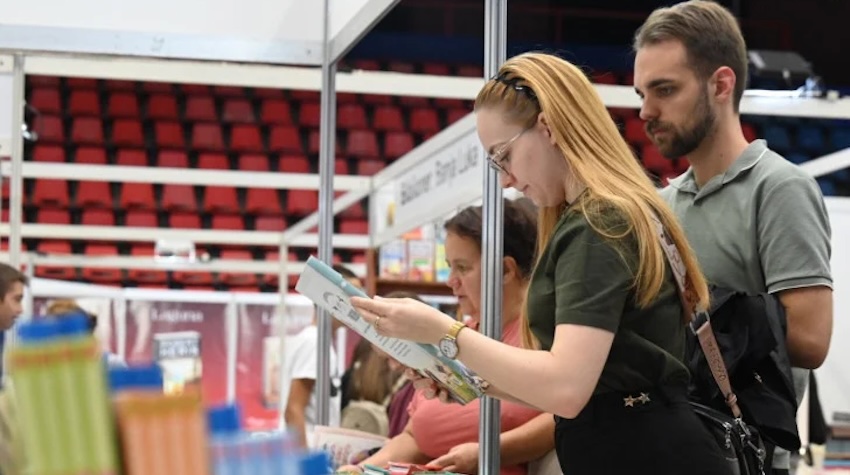
BANJA LUKA BOOK FAIR 2026 OPENS TODAY
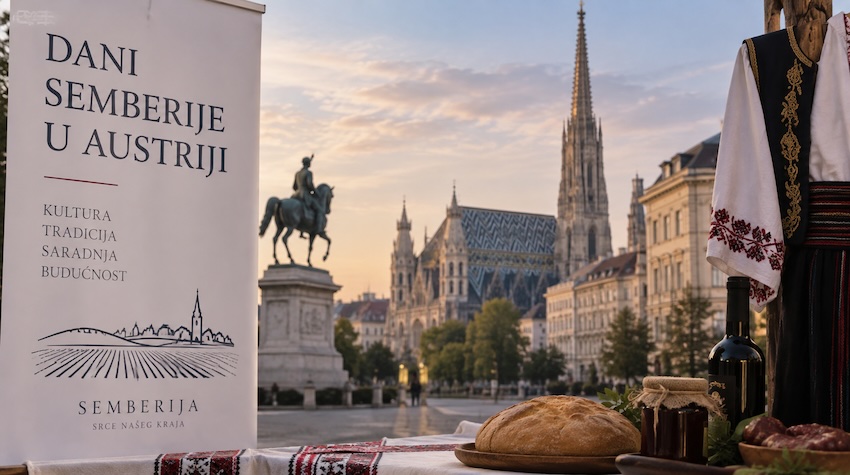
DAYS OF SEMBERIJA IN AUSTRIA: CULTURE, TRADITION AND LOCAL PRODUCTS PRESENTED TO AUSTRIAN AUDIENCES
FROM EUROPEAN STAGES TO HER HOMETOWN: JOVANA RALJIĆ BRINGS VIVALDI TO BANJALUKA


 The situation at the border crossings