MUSEUM OF THE CATHEDRAL CHURCH OF THE HOLY TRINITY OPENED IN MOSTAR
His Eminence Dimitrije, Metropolitan of Zahumlje-Herzegovina and the Littoral, officially opened the Museum of the Cathedral Church of the Holy Trinity in Mostar. Until the cathedral’s full restoration is completed, the museum will be temporarily housed in the Bishop’s Residence (Vladičanski dvor) in the city on the Neretva River.

According to the reconstruction plan, the museum will ultimately be located in the cathedral’s bell tower. The opening ceremony gathered religious, cultural, and political figures, underlining the significance of this moment for Mostar's spiritual and cultural life.
Metropolitan Dimitrije emphasized the importance of faith, unity, and human dignity, stating:
"It brings me joy that the Bishop’s Residence is once again becoming a true home for the bishop. At the initiative of the Mostar community, we have made this a place of encounter where our spiritual richness is made visible."
The museum's establishment was made possible through the full support of the National Museum in Banja Luka, which curated the exhibition, while financial backing came from the Secretariat for Religious Affairs of the Republic of Srpska.
The inauguration was attended by Mostar’s Mayor Mario Kordić, Bileća Municipality Chief Miodrag Parežanin, Trebinje City Assembly President Zdravko Butulija, Serbian and Turkish consuls in Mostar, and representatives of religious and governmental institutions, including prominent families of Mostar like Dokić and Peško.
Mayor Kordić called the Cathedral one of Mostar’s defining symbols and highlighted its inclusion among the city's top three monuments for tourism promotion.
"The restoration of the Cathedral sends a message of unity. We need peace, coexistence, and forgiveness more than ever. This museum is a testament to our shared heritage," Kordić said, urging politicians across all levels to support the restoration efforts.
The parish priest of the Cathedral, Duško Kojić, noted that this exhibit marks the return of a portion of the city’s preserved ecclesiastical and cultural treasures.
"What you see today is only 10 percent of what once adorned the Cathedral and the Church of the Nativity of the Theotokos. Some of it is preserved for better days – for the moment the Cathedral is fully restored," said Kojić.
Among the artifacts are sacred icons from the 15th to the 19th century, liturgical books once owned by Metropolitan Leontije, and a rich treasury.
"These are not merely art pieces; they are holy relics that, like our people, have endured fire, destruction, and exile but have never vanished," Kojić emphasized.
Esteemed academic and painter Milivoje Unković praised the effort as a model of institutional collaboration and cultural resilience.
"This is a powerful reminder of our people’s ability to rise from ashes and rebuild their spiritual and cultural identity," Unković remarked, comparing the museum to the landmark project at Žitomislić.
The families of Dokić and Peško, long-standing patrons of the Cathedral and Bishop’s Residence, were honored for their historical and ongoing contributions. Portraits and antique furniture belonging to these families, as well as Anika Skovran – a key figure in the Residence’s restoration – are featured in the exhibit.
The event was enriched by the performance of the Church Choir “Saint Vasilije of Tvrdoš and Ostrog,” conducted by Jovana Marić.
Today, three decades after its destruction, the Cathedral Church of the Holy Trinity stands once again – not as a symbol of defiance, but of hope, reconciliation, and spiritual continuity. Designated a national monument of Bosnia and Herzegovina, the Cathedral represents not only the heart of Mostar's Serbian Orthodox community but also centuries of shared life in the city.
The museum holds more than 40 iconographic works in various styles and techniques, including pieces from Serbian, Cretan, Greek, Russian, and Venetian Gothic traditions. Three works are attributed to the renowned 19th-century Serbian painter Aleksije Lazović, while others remain anonymous, dating from the 15th to the mid-19th century.
Before the Cathedral was burned, some icons were relocated for safekeeping to the Tvrdoš Monastery, preserving part of this invaluable heritage.
The Museum of the Cathedral Church, together with the Cathedral and the Old Church, will now form part of Mostar’s official cultural tourism offering under the MostarPass card, making this spiritual legacy accessible to both locals and visitors from around the world.

Join our
Viber Community
TRAVELING BY CAMPERVAN FOR THE FIRST TIME? HERE’S WHAT YOU SHOULD KNOW BEFORE YOU GO
NEW RAIL LINK BETWEEN REPUBLIKA SRPSKA AND SERBIA: DAILY TRAIN SERVICE FROM ZVORNIK TO BELGRADE
‘DRŽAVNI POSAO’ CREW FILMS NEW PROJECT IN TREBINJE
SEE SRPSKA RECEIVES CHARTER FROM BANJA LUKA TOURIST ORGANIZATION
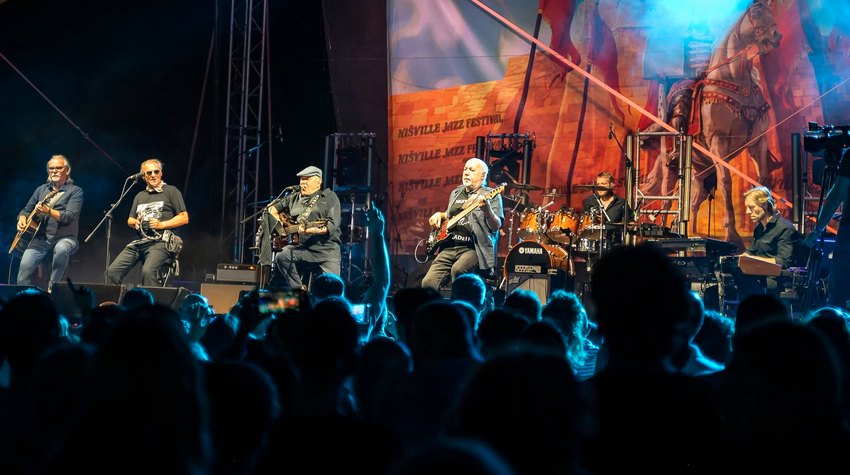
GALIJA TO CELEBRATE MAJOR ANNIVERSARY IN BANJA LUKA
SEE SRPSKA RECEIVES CHARTER FROM BANJA LUKA TOURIST ORGANIZATION
NEW RAIL LINK BETWEEN REPUBLIKA SRPSKA AND SERBIA: DAILY TRAIN SERVICE FROM ZVORNIK TO BELGRADE
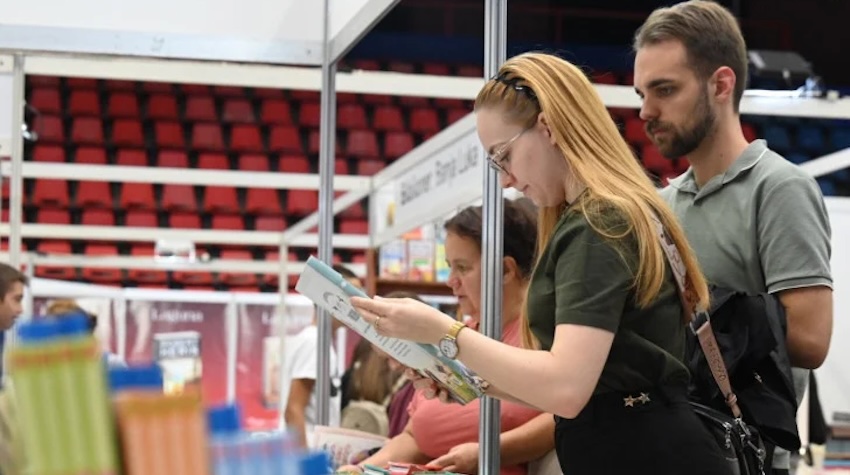
BANJA LUKA BOOK FAIR 2026 OPENS TODAY
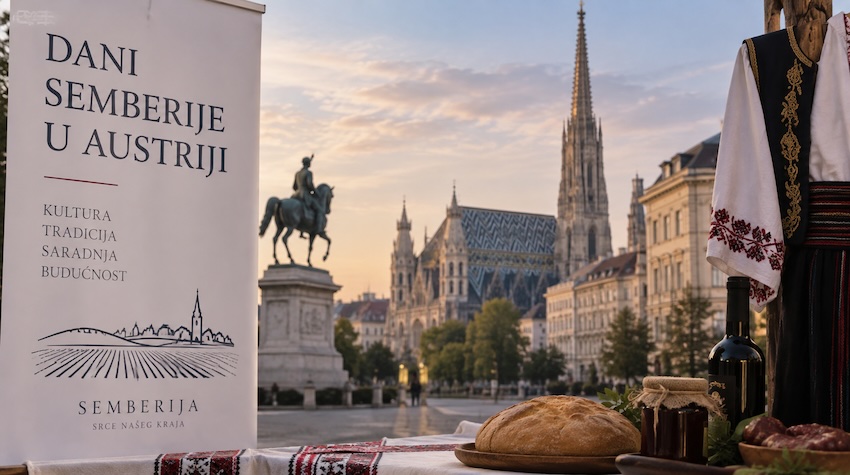
DAYS OF SEMBERIJA IN AUSTRIA: CULTURE, TRADITION AND LOCAL PRODUCTS PRESENTED TO AUSTRIAN AUDIENCES
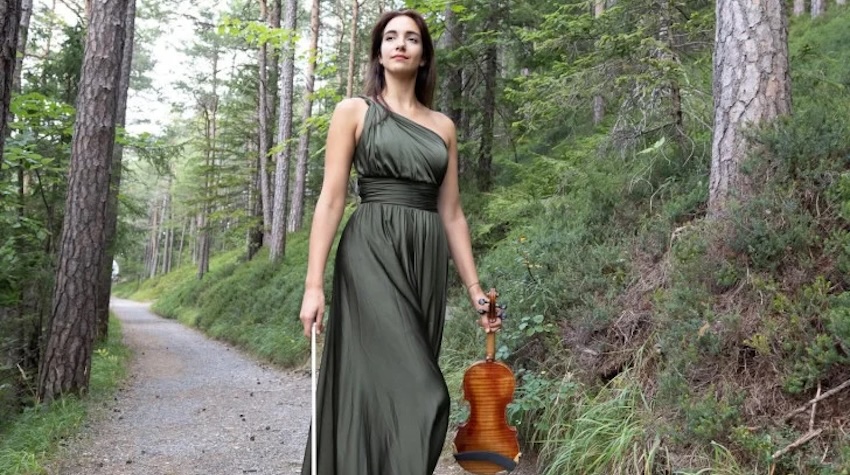
FROM EUROPEAN STAGES TO HER HOMETOWN: JOVANA RALJIĆ BRINGS VIVALDI TO BANJALUKA

 The situation at the border crossings