THE SCENTS OF HERITAGE ON MODERN TABLES (VIDEO)
If there’s truth in the saying “love enters through the mouth,” then it’s almost certain you’ll fall in love with Republika Srpska at first bite.

No matter which part you visit, the first recommendation from the warm-hearted locals will be food—something lovingly and carefully prepared in their homes.
What truly sets Republika Srpska apart is its traditional cuisine, deeply connected to the climate of each region and based on the gifts of nature. This is reflected in vast landscapes covered with lush pastures, diverse medicinal herbs, numerous lakes, forests, rivers, and springs—all proof of a healthy environment.
The tradition of preparing food and drinks here is woven with love, patience, and emotion—something the hosts gladly share with guests. They warmly answer your questions, yet, as is custom, guard the secret ingredient that makes a dish so special.
Our hospitable hosts know that the most important thing is to awaken a moment of desire and enjoyment in their guests. So don’t be surprised if, over a glass of wine or rakija and a delicious meal, they share anecdotes and legends about the region they proudly call home—making your experience even more memorable.
Here, food is eaten slowly—with pleasure and respect.
A particularly rich element of this tradition is the diversity of recipes for the same dish across different parts of Srpska. This means that cicvara or ljevuša will taste completely different in Krajina, Semberija, or Herzegovina. The reason lies in how our grandmothers and grandfathers cooked—with ingredients they had at home—resulting in countless variations.
Many specialties of our national cuisine have no direct translation in foreign dictionaries, nor flavors that can be easily compared. The best solution? Come and try them yourself!
Here are just a few dishes our hosts in Srpska will prepare especially for you:
Cicvara
Cicvara is one of the oldest Serbian dishes. Ethnological records show it has been prepared for centuries in regions inhabited by Serbs. The oldest recipes are found in monastery records, where it was originally made with wheat, rye, barley, and oat flour. Once corn became widespread in Europe, cornmeal became the main ingredient. Fat, oil, butter, kajmak, and various cheeses are essential fats that bring cicvara’s flavor to perfection. Visit Herzegovina, and you’ll be served cicvara with honey.
Banja Luka Ćevap
Many consider the Banja Luka ćevap in flatbread the most famous culinary brand of the city. It stands out with its unique shape, taste, and serving style. Originating over 100 years ago, it first gained popularity across the former Yugoslavia and then worldwide. It’s eaten hot, with fingers and a toothpick—though cutlery is often provided. It’s always served with thick slices of onion. A glass of yogurt or sour milk is the perfect follow-up. Half of the ćevap’s fame is owed to the Banja Luka flatbread—crusty yet juicy.
Mijeh Cheese
This cheese is produced in the villages of Herzegovina, especially around Nevesinje. Connoisseurs claim that in Herzegovina, at least one full meal a day consists of milk, kajmak, cheese, and bread. A typical local expression is: “What did I eat? Bread and cheese.” Be sure to try the most famous local variety—mijeh cheese! It’s stored in an animal-skin pouch, which gives it its unique character and makes it impossible to industrially replicate. You can see the traditional process in Nevesinje or from local producers who still make it the old-fashioned way.
Pura (Kačamak)
Pura, or kačamak, is made by slowly adding cornmeal to salted boiling water while stirring. It’s an excellent side dish for all types of meat and dairy. The best results come from using old corn varieties like bjelčić, žutac, or stodanac.
Vanilice
These bite-sized cookies are made with pork fat and homemade rosehip or apricot jam, giving them a delicate texture that melts in your mouth.
Wines of Herzegovina
Thanks to a high number of sunny days, a pleasant climate, and gentle hills, the northern wine cellars of Srpska produce excellent wines—proof that top-quality vineyards can thrive even in continental regions. Wine lovers can enjoy the harmony of local wines made from Chardonnay, Pinot Blanc, Cabernet Sauvignon, and Riesling. In the rugged, stony land of Herzegovina, some of the most noble grape varieties are grown, producing wines of distinctive quality. With its unique climate and geography, the Herzegovina Wine Route is becoming increasingly recognized on the global wine map.
The first export of wine from this region took place through Trieste in 1883. Indigenous varieties include Vranac and Žilavka, with the Žilavka from Lastva once being the official wine of the Habsburg imperial court in Vienna.

Join our
Viber Community

TRAVELING BY CAMPERVAN FOR THE FIRST TIME? HERE’S WHAT YOU SHOULD KNOW BEFORE YOU GO

NEW RAIL LINK BETWEEN REPUBLIKA SRPSKA AND SERBIA: DAILY TRAIN SERVICE FROM ZVORNIK TO BELGRADE
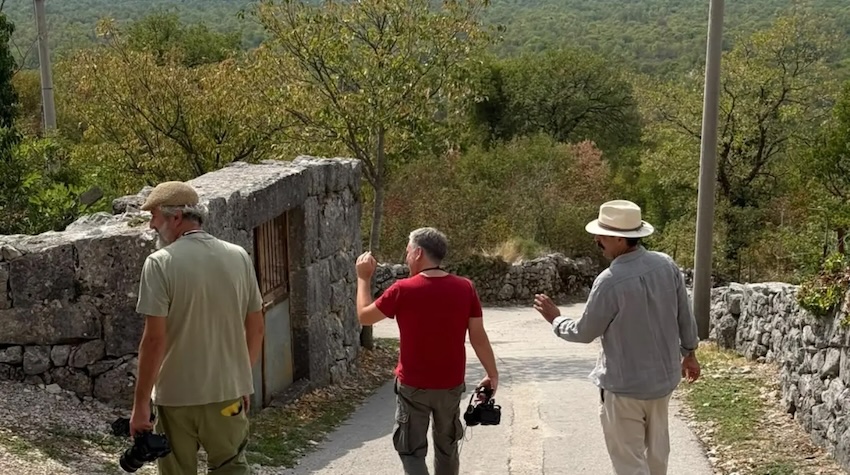
‘DRŽAVNI POSAO’ CREW FILMS NEW PROJECT IN TREBINJE
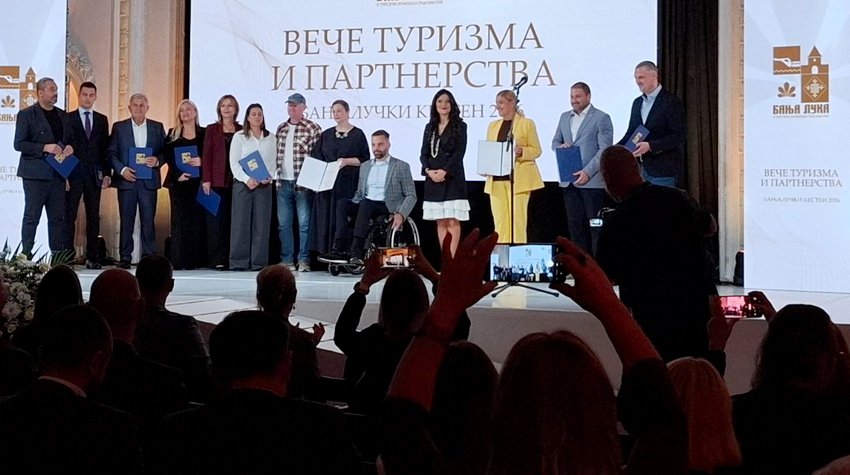
SEE SRPSKA RECEIVES CHARTER FROM BANJA LUKA TOURIST ORGANIZATION

GALIJA TO CELEBRATE MAJOR ANNIVERSARY IN BANJA LUKA
NEW RAIL LINK BETWEEN REPUBLIKA SRPSKA AND SERBIA: DAILY TRAIN SERVICE FROM ZVORNIK TO BELGRADE
SEE SRPSKA RECEIVES CHARTER FROM BANJA LUKA TOURIST ORGANIZATION

BANJA LUKA BOOK FAIR 2026 OPENS TODAY
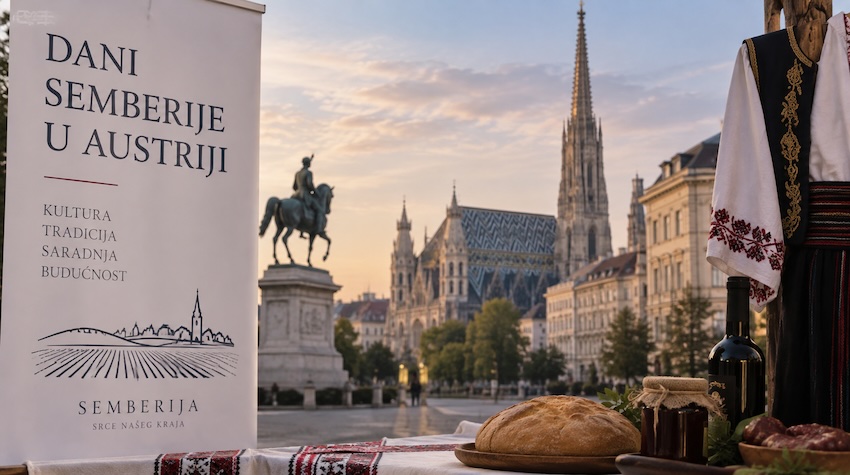
DAYS OF SEMBERIJA IN AUSTRIA: CULTURE, TRADITION AND LOCAL PRODUCTS PRESENTED TO AUSTRIAN AUDIENCES

FROM EUROPEAN STAGES TO HER HOMETOWN: JOVANA RALJIĆ BRINGS VIVALDI TO BANJALUKA


 The situation at the border crossings