RUSSIANS WANT CHEESE, CREAM, AND PROSCIUTTO FROM SRPSKA
Interest from Russian partners in products from Republika Srpska and the Federation of Bosnia and Herzegovina (FBiH) — including various types of cheese, cream (kajmak), dry sausages, and prosciutto — is growing. This rising demand is giving a strong boost to local producers aiming to export to the large and demanding Russian market.

The export of meat, milk, and dairy products to Russia was officially approved in June this year, following years of negotiations and alignment of standards between Bosnian and Russian institutions. Six companies from both entities — Republika Srpska and FBiH — have been granted export licenses, marking a significant milestone for the domestic food industry.
The export approval covers animal-based products including pork, beef, milk and dairy derivatives, poultry products, and processed fish. Bosnia and Herzegovina’s Minister of Foreign Trade and Economic Relations, Staša Košarac, described the achievement as the result of long-term cooperation between the two countries, while the Chamber of Commerce of Republika Srpska emphasized that it represents a major development opportunity for local producers.
Nenad Vukoje, owner of the dairy "Pađeni" from Bileća — one of the approved exporters — told Glas Srpske that logistical planning is still underway before the first shipments can begin.
“Interest in our products is increasing. Some Russian partners have even announced visits as early as next week to discuss potential partnerships,” Vukoje said. “There are many interested parties, but interest alone doesn't mean immediate realization. It depends on what can actually be exported, when, and under what conditions. Honestly, I don’t think significant exports will begin this year, but next year might be a different story.”
Vukoje stressed that every new entry into a foreign market represents a major step forward for domestic production.
“We have the capacity, experienced staff, and the technology to take on any challenge,” he said, adding that his dairy processes around 70,000 liters of milk daily.
According to him, the best candidates for the Russian market are products with a longer shelf life, such as semi-hard and hard cheeses, as well as kajmak.
Another approved company is the meat industry "Tulumović" from Laktaši. Owner Đoko Tulumović stated that their focus will be on offering processed meat products to Russian consumers.
“We will carefully research their market to determine what would perform best. In any case, this is a major opportunity for our industry, and we plan to take full advantage of it,” Tulumović emphasized.
Stojan Marinković, president of the Association of Agricultural Producers of Republika Srpska, acknowledged that the export of dairy products to Russia will certainly support the sector's growth. However, he also warned that the domestic market must remain a top priority.
“We don’t have enough meat for our own needs, which is why we’ve always supported the idea that domestic products — especially meat and processed meat — should first be prioritized locally. We strongly support the export of surplus goods, like milk and dairy products, but not at the cost of relying on questionable imported meat,” Marinković said.
Business leaders point out that meeting strict Russian standards proves the domestic industry is capable of complying with high international criteria. Still, challenges remain: large distances, high transport costs, expensive air freight, and complex overland routes are key factors affecting export feasibility. Nevertheless, producers agree that production for export should gradually increase — but not at the expense of domestic market stability.

Join our
Viber Community
TRAVELING BY CAMPERVAN FOR THE FIRST TIME? HERE’S WHAT YOU SHOULD KNOW BEFORE YOU GO
NEW RAIL LINK BETWEEN REPUBLIKA SRPSKA AND SERBIA: DAILY TRAIN SERVICE FROM ZVORNIK TO BELGRADE
‘DRŽAVNI POSAO’ CREW FILMS NEW PROJECT IN TREBINJE
SEE SRPSKA RECEIVES CHARTER FROM BANJA LUKA TOURIST ORGANIZATION
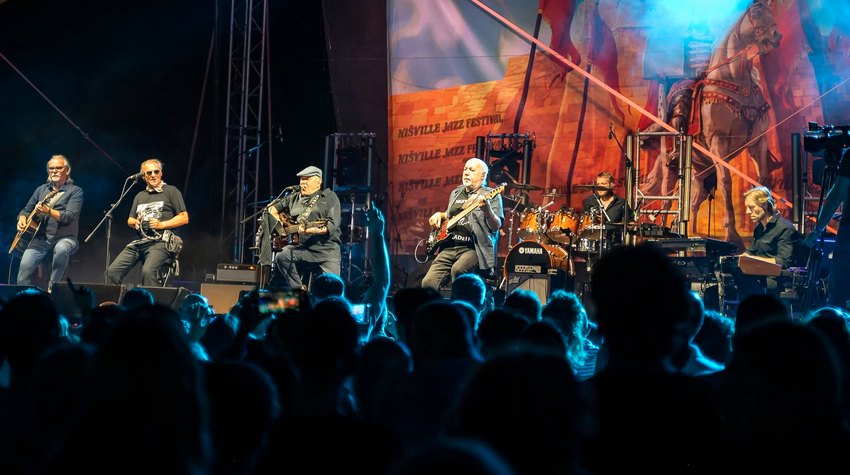
GALIJA TO CELEBRATE MAJOR ANNIVERSARY IN BANJA LUKA
NEW RAIL LINK BETWEEN REPUBLIKA SRPSKA AND SERBIA: DAILY TRAIN SERVICE FROM ZVORNIK TO BELGRADE
SEE SRPSKA RECEIVES CHARTER FROM BANJA LUKA TOURIST ORGANIZATION
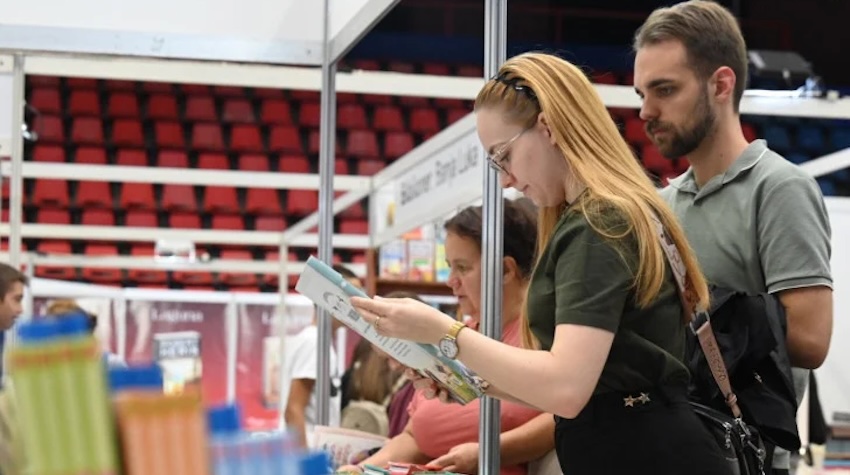
BANJA LUKA BOOK FAIR 2026 OPENS TODAY
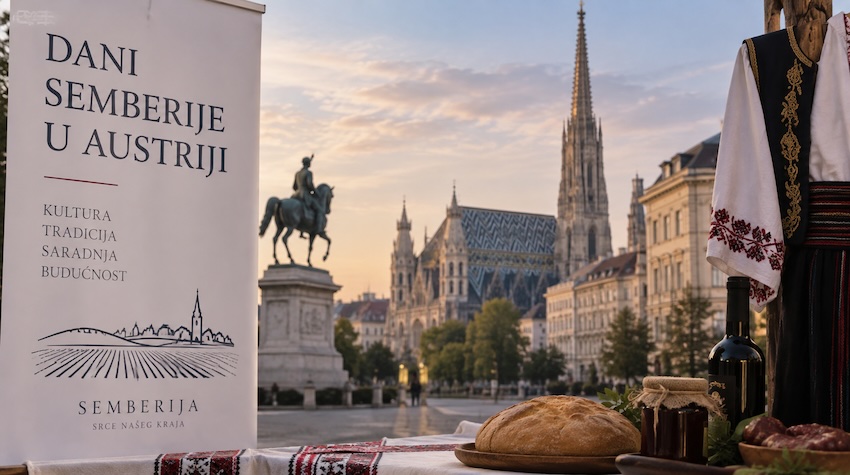
DAYS OF SEMBERIJA IN AUSTRIA: CULTURE, TRADITION AND LOCAL PRODUCTS PRESENTED TO AUSTRIAN AUDIENCES

FROM EUROPEAN STAGES TO HER HOMETOWN: JOVANA RALJIĆ BRINGS VIVALDI TO BANJALUKA

 The situation at the border crossings