PROMOTION OF THE PHOTOTYPE EDITION OF SAINT SAVA’S “ZAKONOPRAVILO” HELD IN TREBINJE
In the Museum of Herzegovina in Trebinje, a promotion was held for the phototype edition of “Zakonopravilo of Saint Sava, Tvrdoš-Sava Copy”, described by Professor Dr. Đorđe Bubalo as one of the foundations of Serbian national and religious identity.
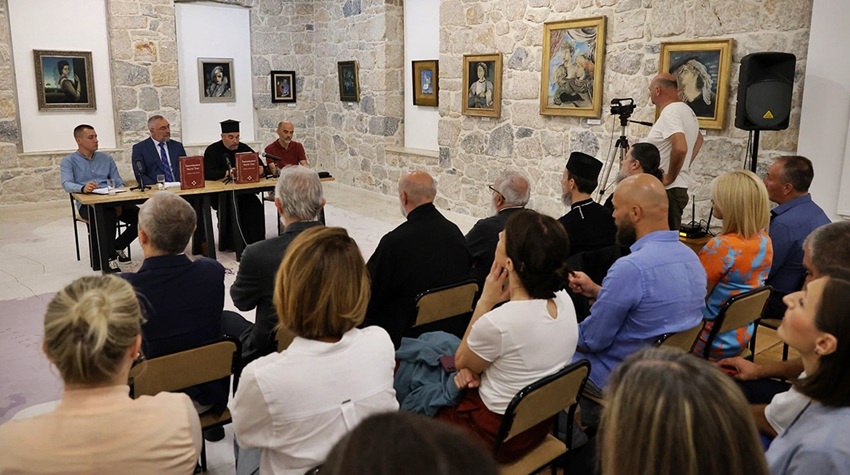
“Zakonopravilo helped us, even in the most difficult times, to get back on our feet and organize both church and state according to canonical law and the Romano-Byzantine legal tradition. For centuries, it was the main source of canonical law in the Serbian Church. It was copied from the 13th century until the early 17th century. Its purpose was to correct and guide believers, to organize the church according to canonical, liturgical, and dogmatic order. This shows that Saint Sava was not only a great scholar of canonical law and foreign languages, but also an extraordinary organizer and the first Serbian legislator,” said Bubalo.
Father Zoran Devrnja, a professor at the Faculty of Theology in Belgrade, added that this phototype edition has brought an important historical fact to light once again.
“When the copies of Sava’s Nomocanon were discovered, they were named after the monasteries where they were found. This particular copy became known as the Sava Copy, but research shows it was written for the Herzegovina Eparchy, originally kept at the Tvrdoš Monastery. After the monastery was destroyed, the entire library was moved to Savina, where it remains today. Nomocanons existed as early as the 9th century, some even earlier. Almost all the canons of the Ecumenical and Local Councils of the Holy Fathers are included in this Nomocanon. It also contains civil laws and regulations, so Zakonopravilo governed households, churches, mines, villages, and every aspect of Christian life—not only for Serbs, but for other Orthodox peoples as well,” explained Devrnja.
Dušan Pavlović, director of the Center for Socio-Political Research of Republika Srpska, noted that Zakonopravilo of Saint Sava was the constitution of the medieval Serbian state and the foundation of modern Serbian statehood.
“It is very important to understand the historical and geopolitical context in which Zakonopravilo emerged. Saint Sava was not just a translator of church canons and civil laws; he adapted Roman laws to the Serbian state and Serbian mentality of the time. On an operational level, he enhanced the system of symphony, i.e., cooperation between church and state, which functioned even better in Nemanjić Serbia than in Byzantium,” said Pavlović.
The promotion was attended by the Metropolitan of Zahumlje-Herzegovina and Ston-Coast, Dimitrije. The moderator of the event was Petar Milošević, and the book was published by the Knez Miroslav Humski Foundation from Trebinje.

Join our
Viber Community

TRAVELING BY CAMPERVAN FOR THE FIRST TIME? HERE’S WHAT YOU SHOULD KNOW BEFORE YOU GO

NEW RAIL LINK BETWEEN REPUBLIKA SRPSKA AND SERBIA: DAILY TRAIN SERVICE FROM ZVORNIK TO BELGRADE
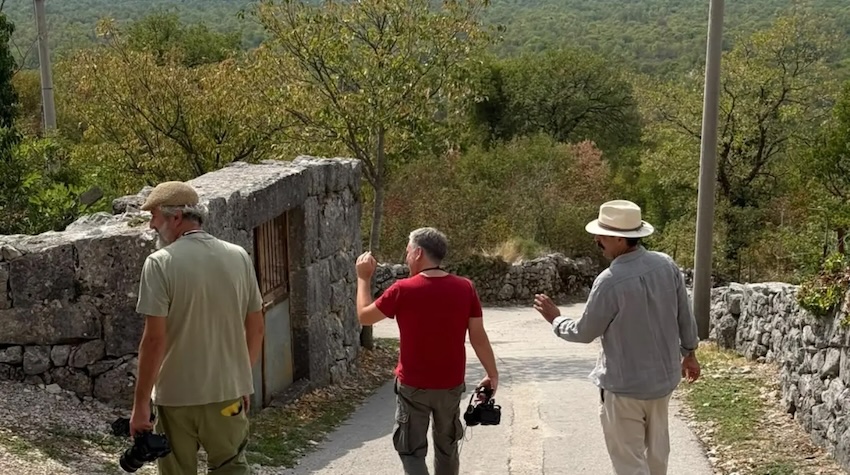
‘DRŽAVNI POSAO’ CREW FILMS NEW PROJECT IN TREBINJE
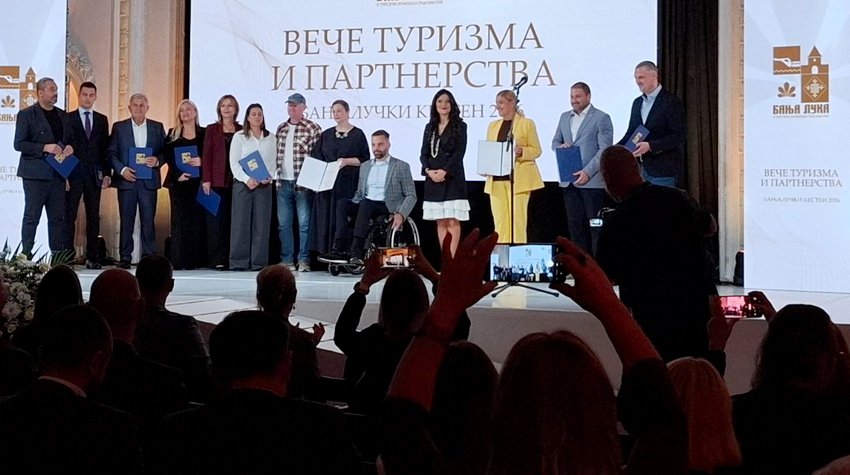
SEE SRPSKA RECEIVES CHARTER FROM BANJA LUKA TOURIST ORGANIZATION
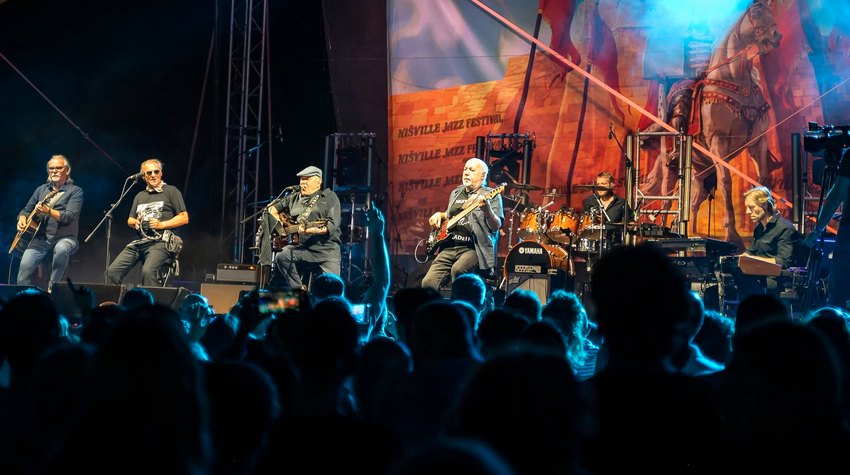
GALIJA TO CELEBRATE MAJOR ANNIVERSARY IN BANJA LUKA
NEW RAIL LINK BETWEEN REPUBLIKA SRPSKA AND SERBIA: DAILY TRAIN SERVICE FROM ZVORNIK TO BELGRADE
SEE SRPSKA RECEIVES CHARTER FROM BANJA LUKA TOURIST ORGANIZATION

BANJA LUKA BOOK FAIR 2026 OPENS TODAY
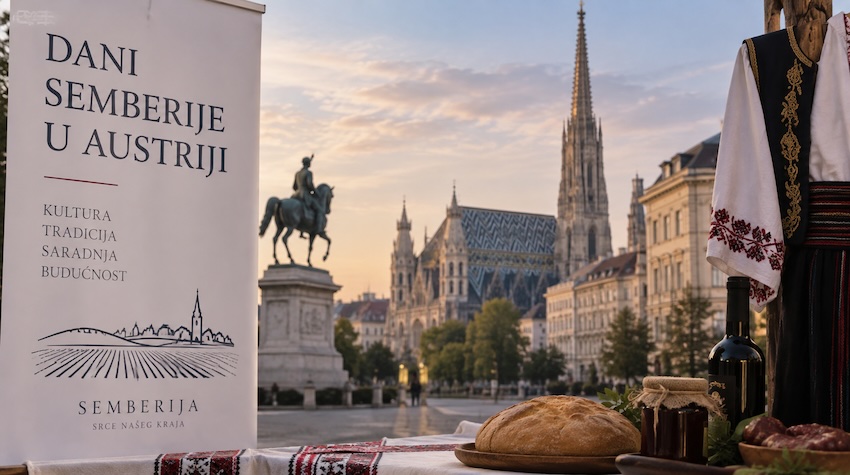
DAYS OF SEMBERIJA IN AUSTRIA: CULTURE, TRADITION AND LOCAL PRODUCTS PRESENTED TO AUSTRIAN AUDIENCES

FROM EUROPEAN STAGES TO HER HOMETOWN: JOVANA RALJIĆ BRINGS VIVALDI TO BANJALUKA


 The situation at the border crossings