WORKS ON THE SPIRITUAL CENTER IN MRKONJIĆI PROGRESSING TOWARDS COMPLETION
Construction of the second phase of the Spiritual Center in Mrkonjići, the birthplace of Saint Basil of Tvrdoš and Ostrog, is advancing. Earlier, the church was built and painted, alongside accommodations for the monastic community and supporting facilities.

This is one of the major projects being developed in the Trebinje area, funded by the governments of Serbia and Republika Srpska, as well as the City of Trebinje.
With the completion of the facilities and the permanent presence of monks, Mrkonjići have become an essential destination for numerous pilgrims. The village is also evolving into a well-recognized spiritual center.
The Spiritual Center, which includes the monastery as a metochion of the Petro-Pavlov Monastery, attracts believers from the region and, occasionally, visitors of different faiths. Currently, a monastic residence with an observation deck is under construction, while the third phase will include the construction of a parish house, parking, and a pilgrimage path through the village.
"What matters is that people are coming; it’s a blessing for all of us. I thank the locals who even donated land for free," said Mirko Ćurić, Mayor of Trebinje.
Although a small number of people permanently reside in Mrkonjići, displaced residents return frequently, tending to their land and renovating houses.
"There were once 362 residents in 49 households here. I hope things will change for the better soon," said Rade Bošković, President of the Church Committee.
Believers often travel from distant locations to attend liturgies and evening akathists, with winter visitors primarily coming from the Trebinje area. Organized visits are more frequent during summer.
"In summer, we welcome numerous school excursions from Serbia, Montenegro, and Republika Srpska. This has become a recognized and well-known destination, home to a great sanctuary," said the abbess of the Pavlov Monastery.
Approximately 2.5 million BAM has been allocated for the construction of the Spiritual Center. The Serbian government provided 800,000 BAM, with the remaining funds contributed by the City of Trebinje and the Government of Republika Srpska.

Join our
Viber Community
TRAVELING BY CAMPERVAN FOR THE FIRST TIME? HERE’S WHAT YOU SHOULD KNOW BEFORE YOU GO
NEW RAIL LINK BETWEEN REPUBLIKA SRPSKA AND SERBIA: DAILY TRAIN SERVICE FROM ZVORNIK TO BELGRADE
‘DRŽAVNI POSAO’ CREW FILMS NEW PROJECT IN TREBINJE
SEE SRPSKA RECEIVES CHARTER FROM BANJA LUKA TOURIST ORGANIZATION
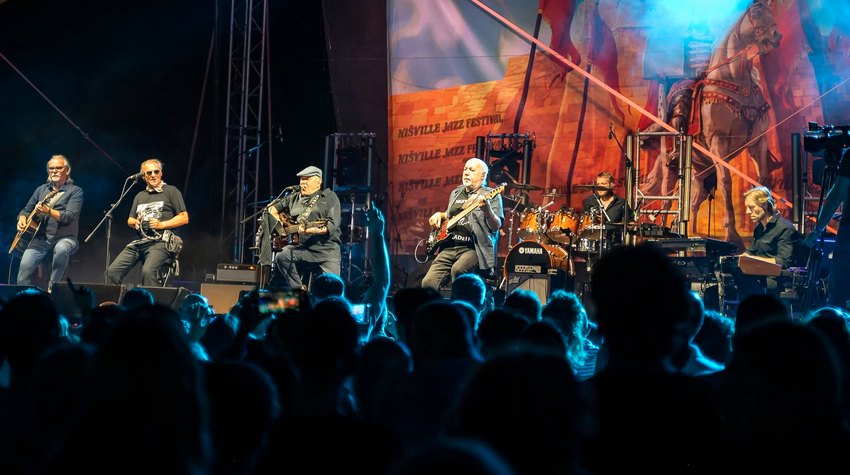
GALIJA TO CELEBRATE MAJOR ANNIVERSARY IN BANJA LUKA
NEW RAIL LINK BETWEEN REPUBLIKA SRPSKA AND SERBIA: DAILY TRAIN SERVICE FROM ZVORNIK TO BELGRADE
SEE SRPSKA RECEIVES CHARTER FROM BANJA LUKA TOURIST ORGANIZATION
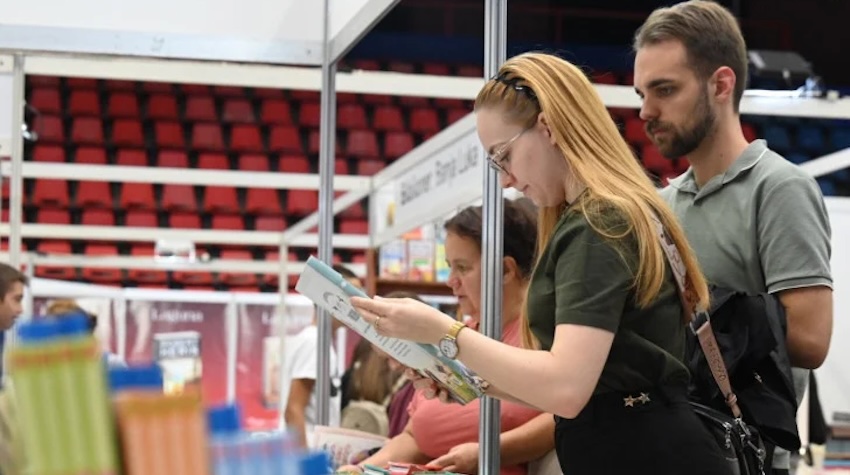
BANJA LUKA BOOK FAIR 2026 OPENS TODAY
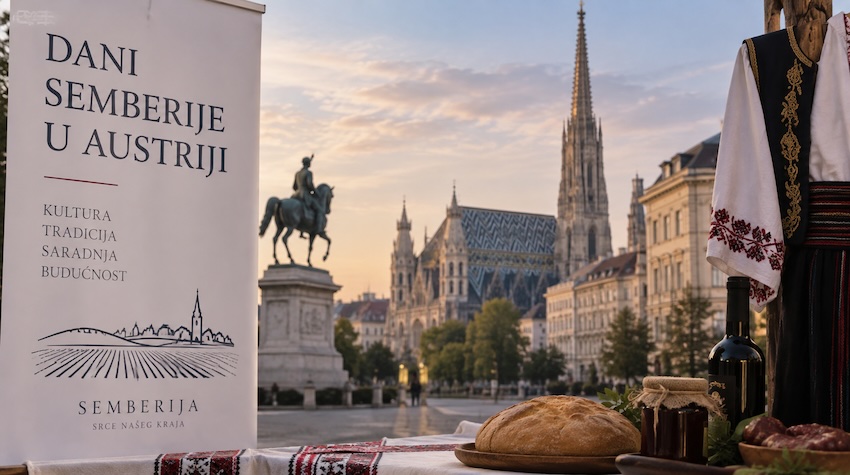
DAYS OF SEMBERIJA IN AUSTRIA: CULTURE, TRADITION AND LOCAL PRODUCTS PRESENTED TO AUSTRIAN AUDIENCES
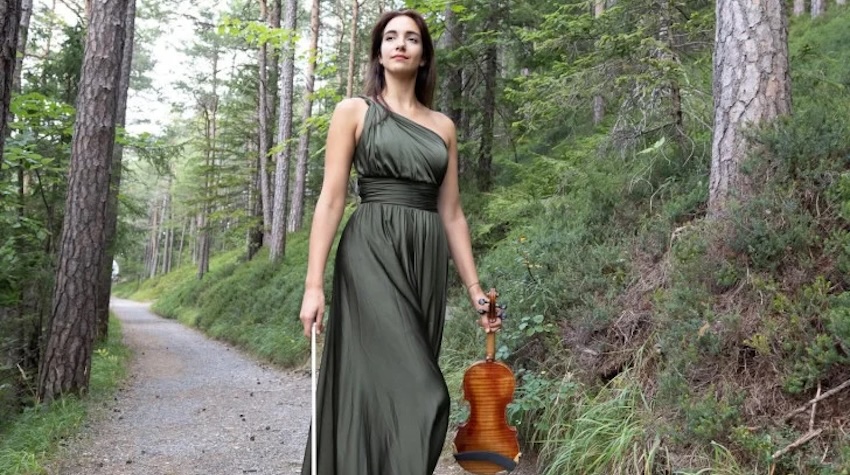
FROM EUROPEAN STAGES TO HER HOMETOWN: JOVANA RALJIĆ BRINGS VIVALDI TO BANJALUKA

 The situation at the border crossings