EAST SARAJEVO TO HOST EXHIBITION OF THE FINEST FACSIMILE OF THE MIROSLAV GOSPEL
East Sarajevo will open an exhibition showcasing the finest facsimile of the Miroslav Gospel, the oldest known Serbian Cyrillic manuscript. The exhibition will be held at the City Administration building from October 13 to 15.

Titled "Divine Inspiration – The Miroslav Gospel", the exhibition is organized by the Alumni Association of the Faculty of Economics at the University of East Sarajevo, in cooperation with the "Miroslav Gospel" Association, the City Administration announced.
Dating back to the 12th century, the Miroslav Gospel is considered the most significant movable cultural heritage of Serbia. Due to its exquisite artistic decorations, UNESCO included it in 2005 among the 120 most valuable documents of humanity.
The original manuscript is preserved in the National Museum in Belgrade, while the facsimile on display is the result of a meticulous 25-year reproduction process.
The exhibition will also feature the facsimile of the Serbian Psalter, a manuscript created during the reign of Prince Lazar. The original is housed in the Bavarian State Library in Munich.
Unlike other lavish European psalters of the time, which typically contain two or three miniature illustrations on gold, the Serbian Psalter boasts 158, making it arguably the most ornate of the entire medieval period.
What makes both manuscripts especially fascinating is the recent discovery that Serbian medieval monks were among the most educated individuals in Europe. They demonstrated extraordinary knowledge not only of the Old and New Testaments and the teachings of the Church Fathers, but also of Greco-Roman and Egyptian mythology, history, medicine, and the earliest Greek poets.
In addition to the main venue, the exhibition will also be displayed at the Faculty of Economics in Pale from October 8 to 11.
The organization of this unique exhibition is supported by the Faculty of Economics in Pale, the City Administration of East Sarajevo, the Cinematheque of the Republic of Srpska, and the municipalities of Pale, East New Sarajevo, and East Ilidža.

Join our
Viber Community
TRAVELING BY CAMPERVAN FOR THE FIRST TIME? HERE’S WHAT YOU SHOULD KNOW BEFORE YOU GO
NEW RAIL LINK BETWEEN REPUBLIKA SRPSKA AND SERBIA: DAILY TRAIN SERVICE FROM ZVORNIK TO BELGRADE
‘DRŽAVNI POSAO’ CREW FILMS NEW PROJECT IN TREBINJE
SEE SRPSKA RECEIVES CHARTER FROM BANJA LUKA TOURIST ORGANIZATION
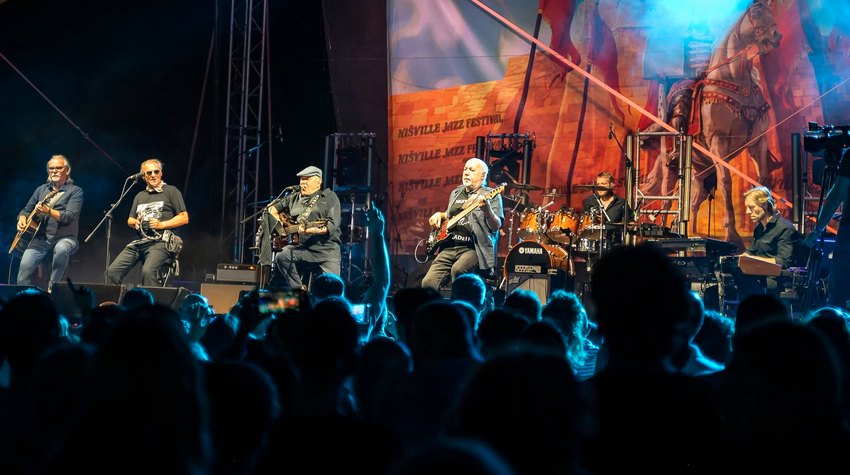
GALIJA TO CELEBRATE MAJOR ANNIVERSARY IN BANJA LUKA
NEW RAIL LINK BETWEEN REPUBLIKA SRPSKA AND SERBIA: DAILY TRAIN SERVICE FROM ZVORNIK TO BELGRADE
SEE SRPSKA RECEIVES CHARTER FROM BANJA LUKA TOURIST ORGANIZATION
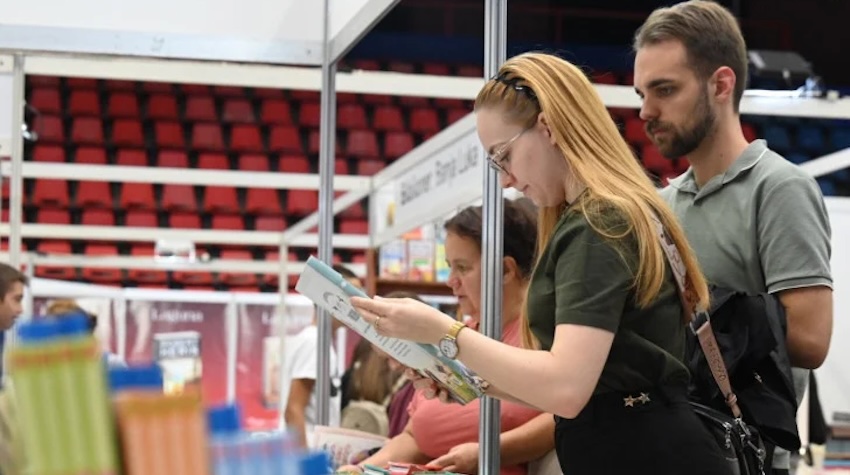
BANJA LUKA BOOK FAIR 2026 OPENS TODAY
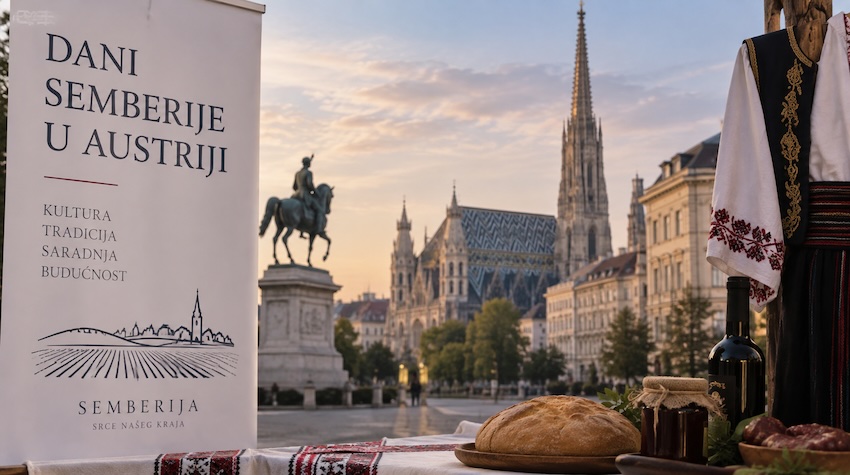
DAYS OF SEMBERIJA IN AUSTRIA: CULTURE, TRADITION AND LOCAL PRODUCTS PRESENTED TO AUSTRIAN AUDIENCES
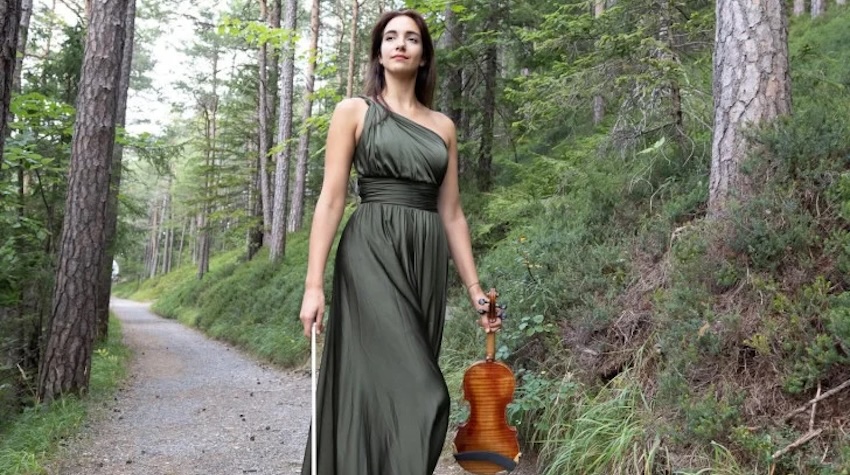
FROM EUROPEAN STAGES TO HER HOMETOWN: JOVANA RALJIĆ BRINGS VIVALDI TO BANJALUKA

 The situation at the border crossings