TREBINJE TO HOST PRESTIGIOUS INTERNATIONAL EVENT "ŽIVA AWARD 2025"
The city of Trebinje will host the 11th edition of the prestigious international event, the Živa Award 2025, which honors the best museums and cultural heritage institutions from Slavic countries.

Organized by the Forum of Slavic Cultures and the City of Trebinje, in cooperation with the Museum of Contemporary Art of the Republic of Srpska, the Museum of Herzegovina in Trebinje, and the European Museum Academy, the event has received strong support from the Cabinet of the President of Republika Srpska and the Ministry of Education and Culture of Republika Srpska.
The Museum of Herzegovina, winner of the Živa Award in 2024, will host an accompanying international conference from October 8 to 10 under the title “Echoes of Heritage and the Future of Museums.” The conference will gather more than 30 nominated museums and renowned experts in museology.
The central event – the official Živa Award 2025 Ceremony – will take place on Friday, October 10 at 7:00 PM at the Cultural Center Trebinje.
A large number of guests from public and cultural life are expected to attend, including ambassadors, cultural institution representatives, and museum professionals from Slovenia, Croatia, Serbia, Montenegro, North Macedonia, Bulgaria, Czech Republic, Poland, Slovakia, and Bosnia and Herzegovina.
Keynote speakers at the conference will include prominent names in the field of museology such as Sandro Debon, Robert Zankan, and Alessio Macoloti, who will address topics such as the future of museums, ecological culture, and innovative approaches to interpreting cultural heritage.
According to the City of Trebinje’s official website, “The Živa Award is more than just a recognition – it is an international platform that fosters cooperation and connection between museum institutions from Slavic countries. It celebrates the diversity of cultural heritage, highlights shared roots, and affirms the unique values of the Slavic world. Its significance lies in creating space for dialogue, the exchange of ideas, and the development of joint projects, making culture more visible and accessible to the wider public.”

Join our
Viber Community
TRAVELING BY CAMPERVAN FOR THE FIRST TIME? HERE’S WHAT YOU SHOULD KNOW BEFORE YOU GO
NEW RAIL LINK BETWEEN REPUBLIKA SRPSKA AND SERBIA: DAILY TRAIN SERVICE FROM ZVORNIK TO BELGRADE
‘DRŽAVNI POSAO’ CREW FILMS NEW PROJECT IN TREBINJE
SEE SRPSKA RECEIVES CHARTER FROM BANJA LUKA TOURIST ORGANIZATION
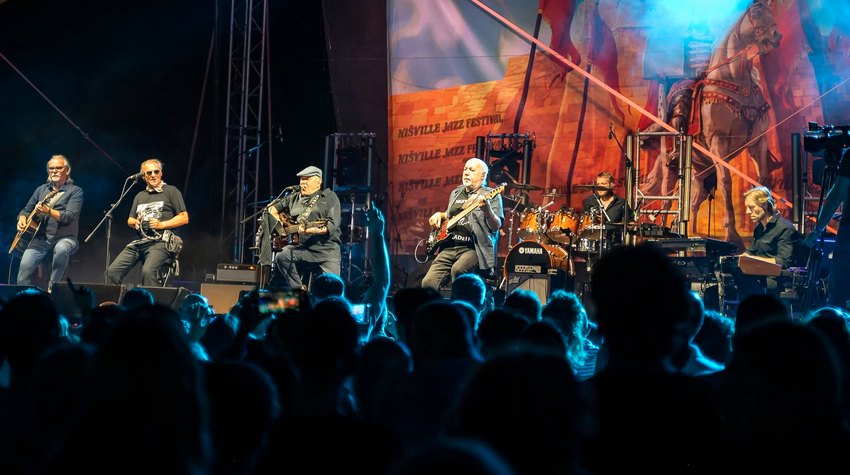
GALIJA TO CELEBRATE MAJOR ANNIVERSARY IN BANJA LUKA
NEW RAIL LINK BETWEEN REPUBLIKA SRPSKA AND SERBIA: DAILY TRAIN SERVICE FROM ZVORNIK TO BELGRADE
SEE SRPSKA RECEIVES CHARTER FROM BANJA LUKA TOURIST ORGANIZATION
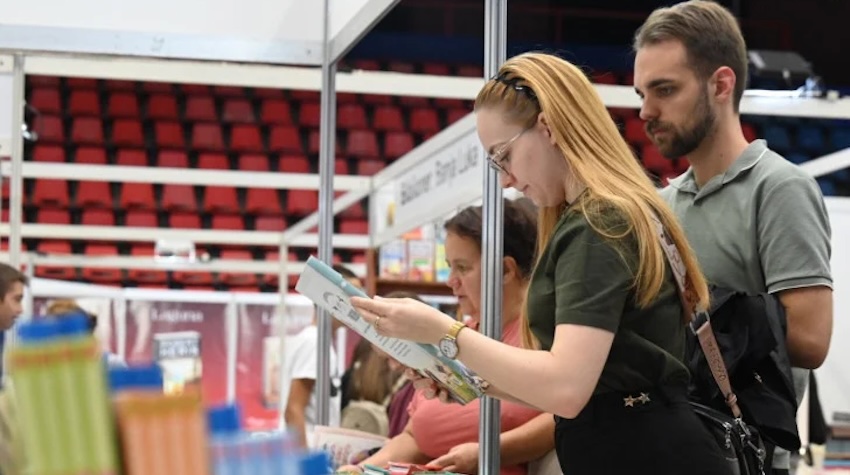
BANJA LUKA BOOK FAIR 2026 OPENS TODAY
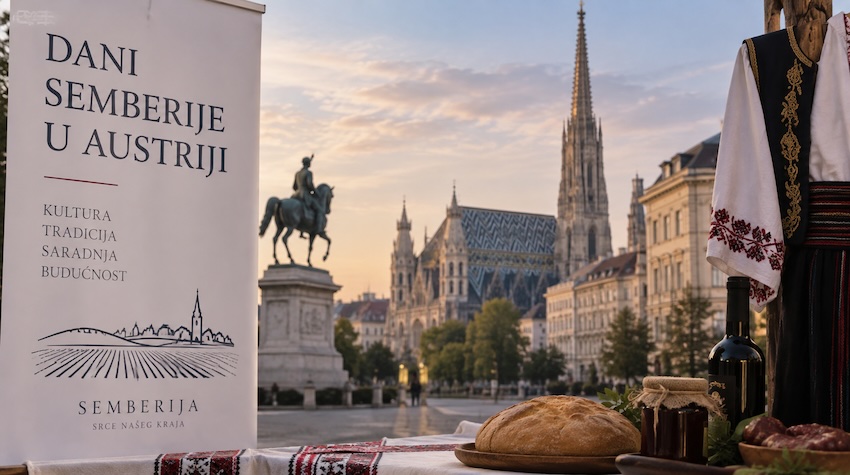
DAYS OF SEMBERIJA IN AUSTRIA: CULTURE, TRADITION AND LOCAL PRODUCTS PRESENTED TO AUSTRIAN AUDIENCES
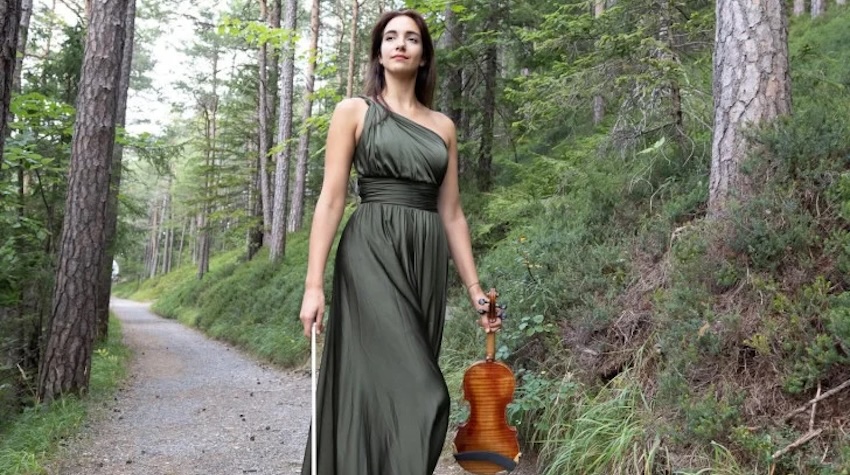
FROM EUROPEAN STAGES TO HER HOMETOWN: JOVANA RALJIĆ BRINGS VIVALDI TO BANJALUKA

 The situation at the border crossings