PEROVIĆA (ARSLANAGIĆA) BRIDGE – A TIMELESS STONE JEWEL OF TREBINJE
Perovića, also known as Arslanagića Bridge, stands as one of the most iconic landmarks of Trebinje and a remarkable monument of Ottoman architecture in the Balkans. Built in 1574 by Grand Vizier Mehmed Pasha Sokolović as an endowment in memory of his son who died fighting the Venetians, the bridge represents a masterpiece of 16th-century engineering and heritage.

When the Ottomans were pushed out of Herceg Novi in 1687, many Turkish families resettled in Trebinje. Among them was Arslan-aga, who received estates east of the city—on Zupci, Necvjeće and Jasen—as well as the right to collect tolls from the bridge. From that time on, the monument became widely known as Arslanagića Bridge.
The story of the bridge took a new turn in the 20th century. With the construction of the hydroelectric system on the Trebišnjica River in 1965, the original location was submerged beneath an artificial lake. Following the request of the Institute for the Protection of Cultural Monuments, the bridge was carefully dismantled and relocated downstream in 1966, during the drainage of the reservoir. Today, it proudly stands between the neighbourhoods of Gradina (right bank) and Police (left bank), fully preserving its authentic beauty.
A walk across its elegant stone arches offers a unique experience—Mediterranean scents, the serenity of the Trebišnjica River, and a palpable sense of history at every step.
As the Trebinje Tourist Organization highlights:
“Arslanagića–Perovića Bridge is one of Trebinje’s most beautiful symbols and an essential stop for every visitor.”

Join our
Viber Community
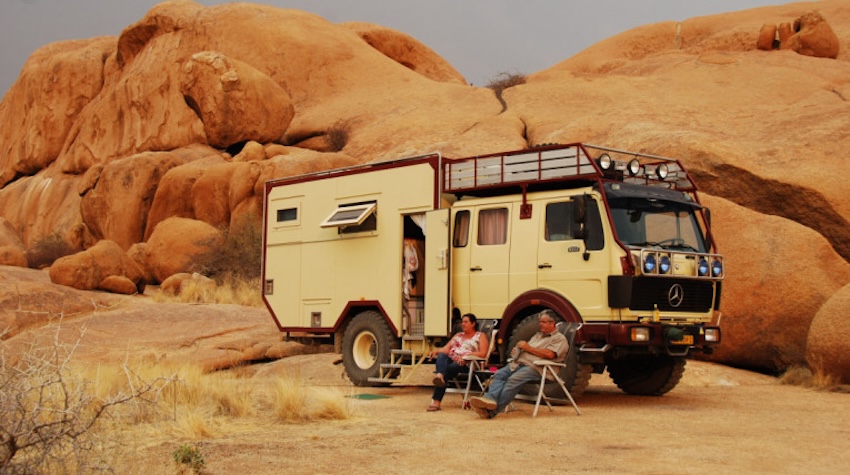
TRAVELING BY CAMPERVAN FOR THE FIRST TIME? HERE’S WHAT YOU SHOULD KNOW BEFORE YOU GO

NEW RAIL LINK BETWEEN REPUBLIKA SRPSKA AND SERBIA: DAILY TRAIN SERVICE FROM ZVORNIK TO BELGRADE
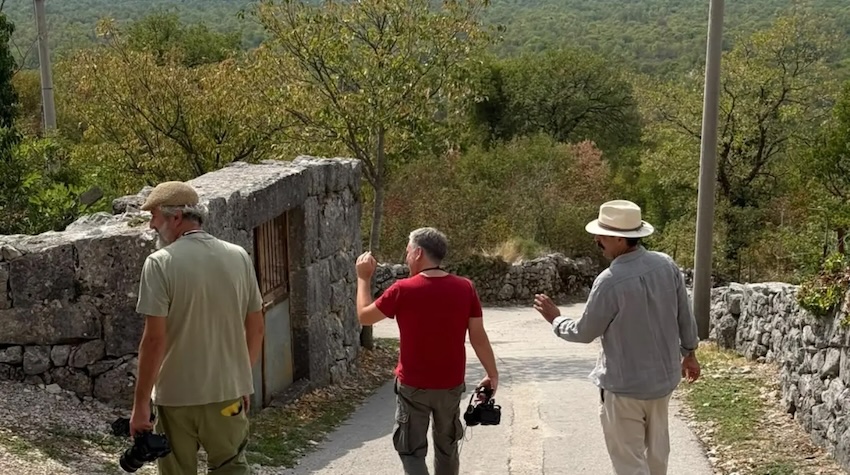
‘DRŽAVNI POSAO’ CREW FILMS NEW PROJECT IN TREBINJE

SEE SRPSKA RECEIVES CHARTER FROM BANJA LUKA TOURIST ORGANIZATION
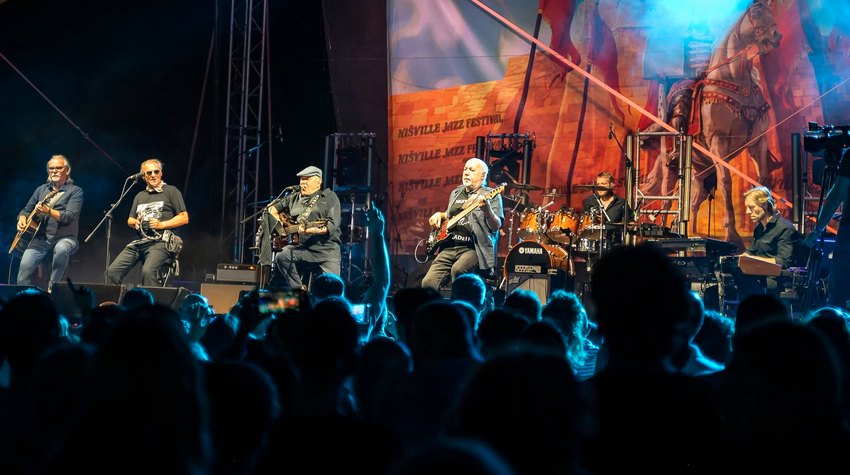
GALIJA TO CELEBRATE MAJOR ANNIVERSARY IN BANJA LUKA
NEW RAIL LINK BETWEEN REPUBLIKA SRPSKA AND SERBIA: DAILY TRAIN SERVICE FROM ZVORNIK TO BELGRADE
SEE SRPSKA RECEIVES CHARTER FROM BANJA LUKA TOURIST ORGANIZATION

BANJA LUKA BOOK FAIR 2026 OPENS TODAY
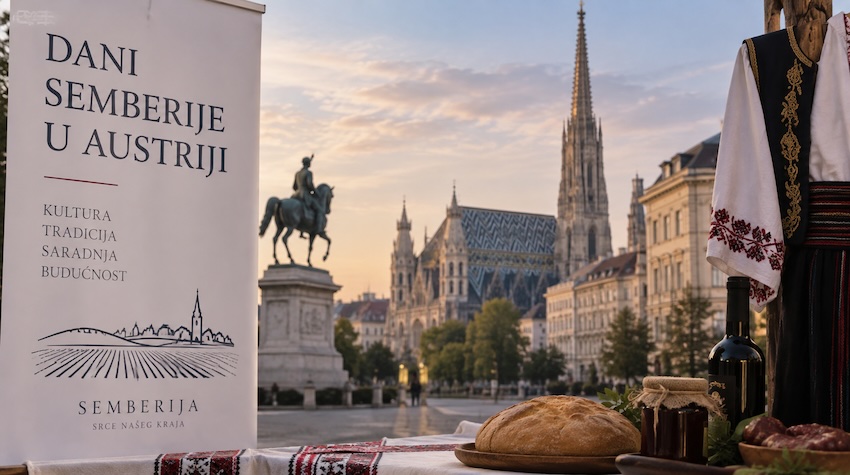
DAYS OF SEMBERIJA IN AUSTRIA: CULTURE, TRADITION AND LOCAL PRODUCTS PRESENTED TO AUSTRIAN AUDIENCES
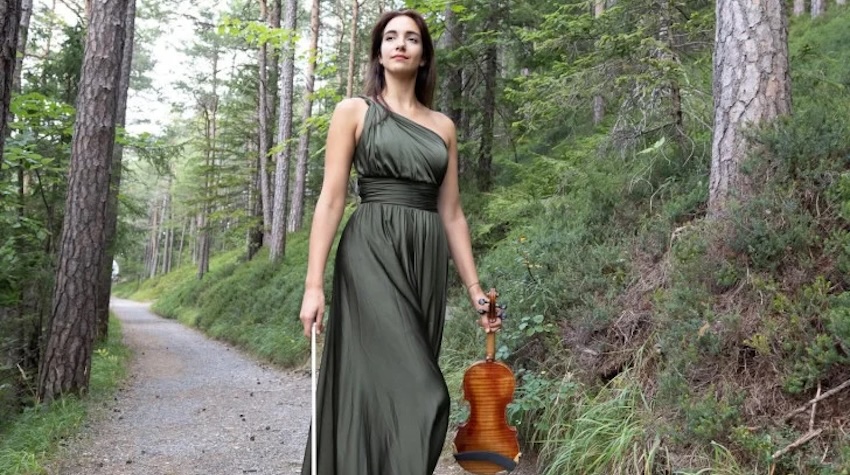
FROM EUROPEAN STAGES TO HER HOMETOWN: JOVANA RALJIĆ BRINGS VIVALDI TO BANJALUKA


 The situation at the border crossings