WHAT DOES "SET TREBINJE 2026" BRING
The seventh Energy Summit “SET – Trebinje 2026” has been held in Trebinje, marking one of the most significant regional professional gatherings in the energy sector. This year’s event is organized under the slogan “Artificial Intelligence Drives and Shapes the Energy Future of the Region.”
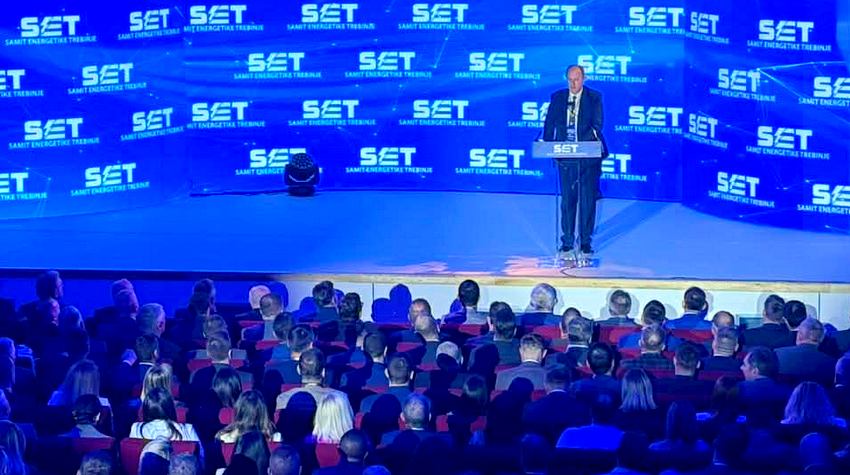
The
summit has brought together more than 700 participants, including
representatives of the energy sector, government and local institutions,
businesses, and the academic community.
Over
the course of the three-day event, multiple panel discussions are being held,
focusing on key topics such as the energy transition, the development of
renewable energy sources, electricity market trends, energy storage solutions,
and the challenges of integrating new production capacities into the grid.
The
event was officially opened by the Minister of Foreign Trade and Economic
Relations of Bosnia and Herzegovina, Staša Košarac, who emphasized that the
summit confirms Trebinje’s importance as a regional hub for dialogue on energy.
He highlighted that Republika Srpska has both the capacity and the vision to be
a reliable partner in this field, with a clear goal of maintaining energy
stability and further developing the sector.
General
Director of Elektroprivreda Republike Srpske, Luka Petrović, stated that the
company is currently experiencing “the largest investment cycle since its
establishment,” noting that investments are focused on building new generation
capacities and modernizing the power grid.
Petrović also pointed out that this year’s summit has attracted energy experts not only from across the region but also from the United States, Austria, China, Germany, Hungary, France, and Turkey.
“It is
time to create more meaningful and higher-quality communication among us, not
only for profitability and market competitiveness, but also for energy
independence and stability,” Petrović said.
President
of the Chamber of Commerce of Republika Srpska, Goran Račić, stressed that
through international projects, efforts are being made to provide domestic
businesses with knowledge, education, and support on their path toward a green
transition.
Milan
Aleksić, advisor to the Serbian Minister of Mining and Energy, emphasized that
the energy sector is the foundation of energy security, economic stability, and
long-term development of countries.
Participants
of the seventh summit agreed that the energy future of the Western Balkans must
be built collectively—through cooperation, market integration, and the
implementation of joint projects. As Aleksić underlined, “the region’s energy
future cannot be built individually, but through joint projects and
interconnected systems.”

Join our
Viber Community
TRAVELING BY CAMPERVAN FOR THE FIRST TIME? HERE’S WHAT YOU SHOULD KNOW BEFORE YOU GO
NEW RAIL LINK BETWEEN REPUBLIKA SRPSKA AND SERBIA: DAILY TRAIN SERVICE FROM ZVORNIK TO BELGRADE
‘DRŽAVNI POSAO’ CREW FILMS NEW PROJECT IN TREBINJE
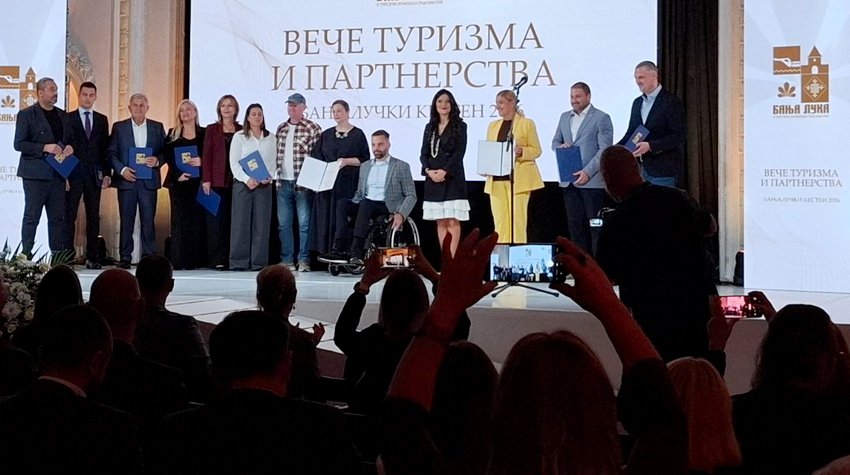
SEE SRPSKA RECEIVES CHARTER FROM BANJA LUKA TOURIST ORGANIZATION
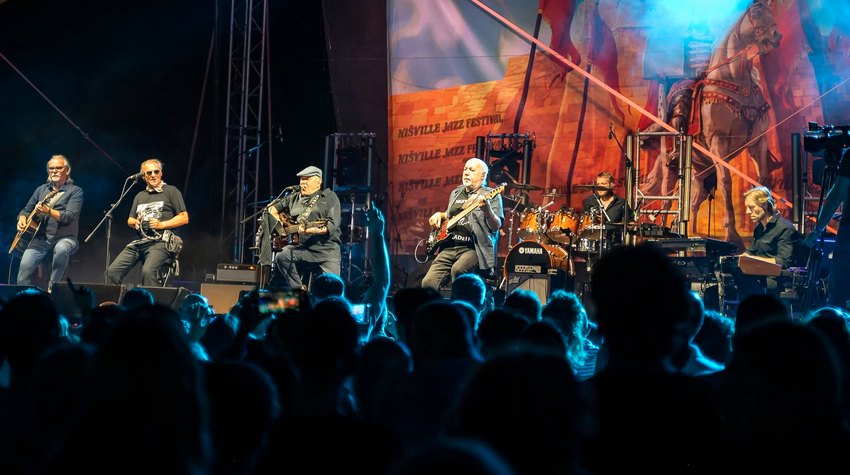
GALIJA TO CELEBRATE MAJOR ANNIVERSARY IN BANJA LUKA
NEW RAIL LINK BETWEEN REPUBLIKA SRPSKA AND SERBIA: DAILY TRAIN SERVICE FROM ZVORNIK TO BELGRADE
SEE SRPSKA RECEIVES CHARTER FROM BANJA LUKA TOURIST ORGANIZATION
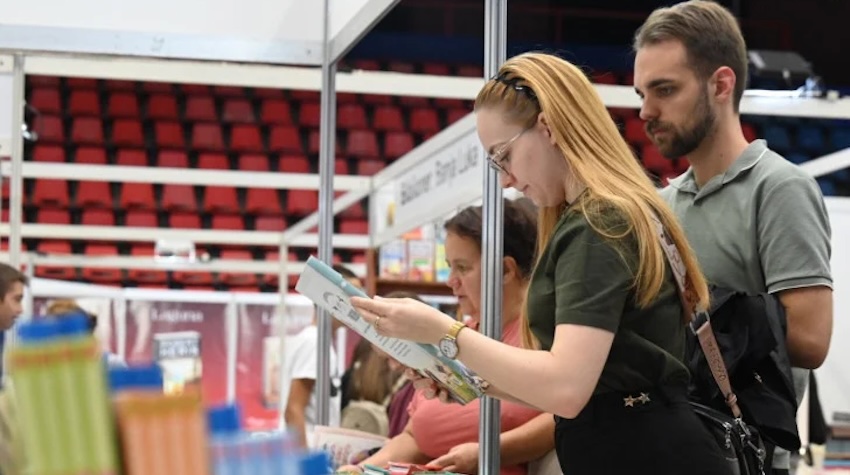
BANJA LUKA BOOK FAIR 2026 OPENS TODAY
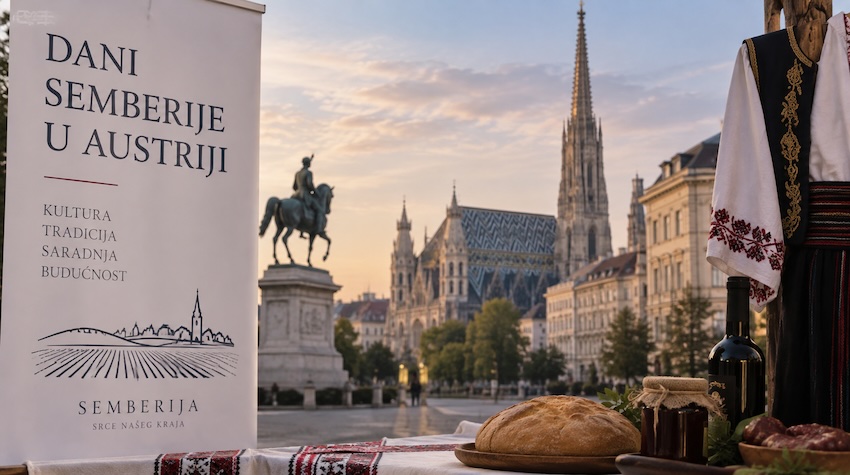
DAYS OF SEMBERIJA IN AUSTRIA: CULTURE, TRADITION AND LOCAL PRODUCTS PRESENTED TO AUSTRIAN AUDIENCES

FROM EUROPEAN STAGES TO HER HOMETOWN: JOVANA RALJIĆ BRINGS VIVALDI TO BANJALUKA

 The situation at the border crossings