PROTECTING AGAINST ONLINE SCAMS: RISING CONCERNS IN REPUBLIKA SRPSKA
With technology permeating various aspects of life, citizens of Republika Srpska often find themselves falling victim to computer scams and the tactics of online manipulators. Recently, a resident of Banja Luka had over 2,600 convertible marks fraudulently withdrawn from his bank card, prompting police intervention.

The Ministry of Internal Affairs of Republika Srpska has noted an increase in computer fraud crimes compared to the previous year, predominantly targeting individuals, with sanctions outlined in the Criminal Code of Republika Srpska.
"The trend of these criminal acts continues to affect individuals, where the highest number of victims are recorded," stated representatives from the Ministry of Internal Affairs.
Repeatedly, the Ministry has urged citizens not to disclose personal information online, avoid opening suspicious links, and maintain vigilance in the digital space. Scams often involve communication outside of legitimate buying platforms, where individuals are directed to fraudulent links, purportedly for courier service access, requesting sensitive information such as bank card details, CVV or CVC codes, and card expiration dates.
"The Banja Luka Police Department urges all citizens to refrain from falling for such scams during online transactions and to never disclose such information to third parties unless online payment platforms necessitate it," emphasized the Banja Luka police.
Regarding online purchases, the Consumer Protection Law of Republika Srpska treats them as distance selling, offering consumers the advantage of a 15-day withdrawal period without justification.
"This form of purchase benefits consumers, allowing them to return products within 15 days if unsatisfactory and receive a refund," highlighted Dušan Srdić from the Consumer Association "Reakcija."

Join our
Viber Community

TRAVELING BY CAMPERVAN FOR THE FIRST TIME? HERE’S WHAT YOU SHOULD KNOW BEFORE YOU GO
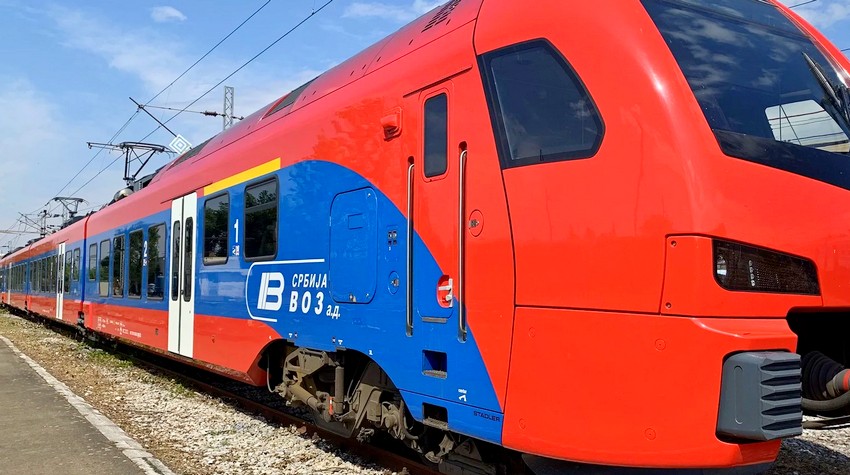
NEW RAIL LINK BETWEEN REPUBLIKA SRPSKA AND SERBIA: DAILY TRAIN SERVICE FROM ZVORNIK TO BELGRADE
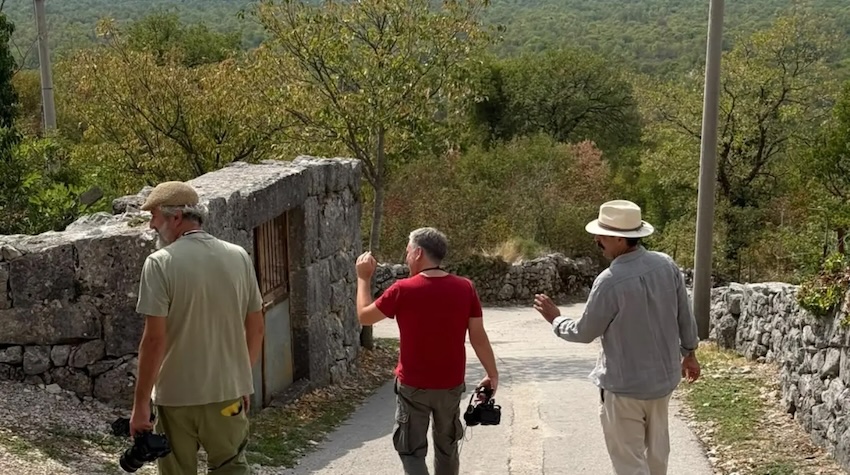
‘DRŽAVNI POSAO’ CREW FILMS NEW PROJECT IN TREBINJE
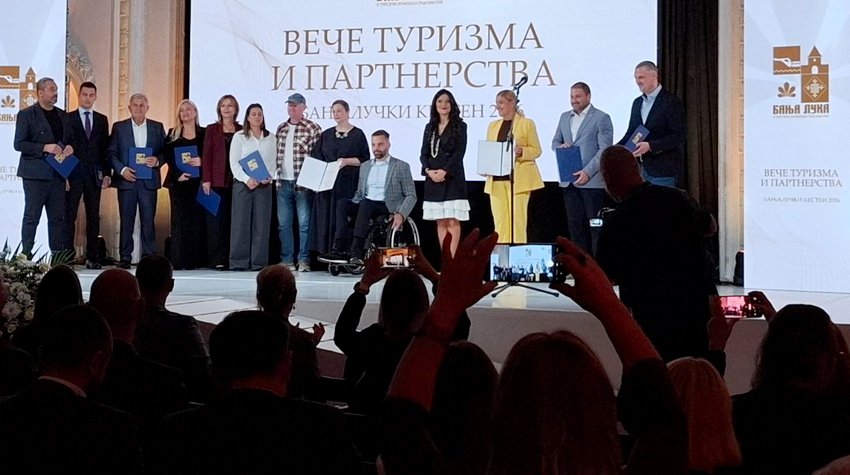
SEE SRPSKA RECEIVES CHARTER FROM BANJA LUKA TOURIST ORGANIZATION
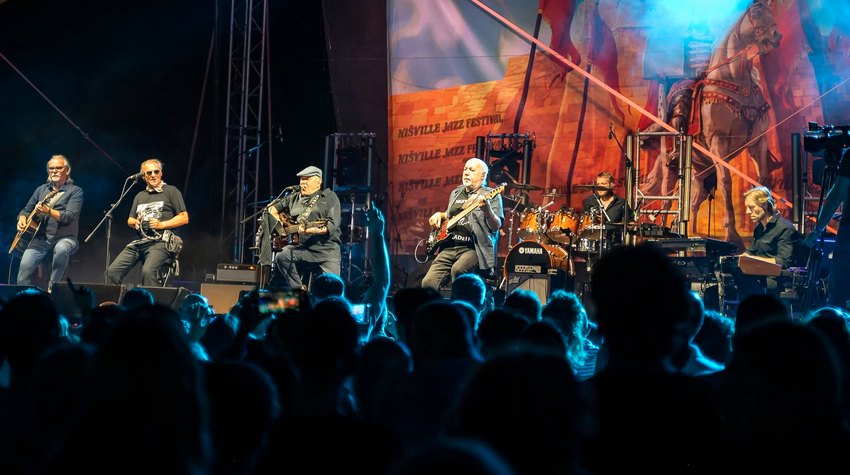
GALIJA TO CELEBRATE MAJOR ANNIVERSARY IN BANJA LUKA
NEW RAIL LINK BETWEEN REPUBLIKA SRPSKA AND SERBIA: DAILY TRAIN SERVICE FROM ZVORNIK TO BELGRADE
SEE SRPSKA RECEIVES CHARTER FROM BANJA LUKA TOURIST ORGANIZATION
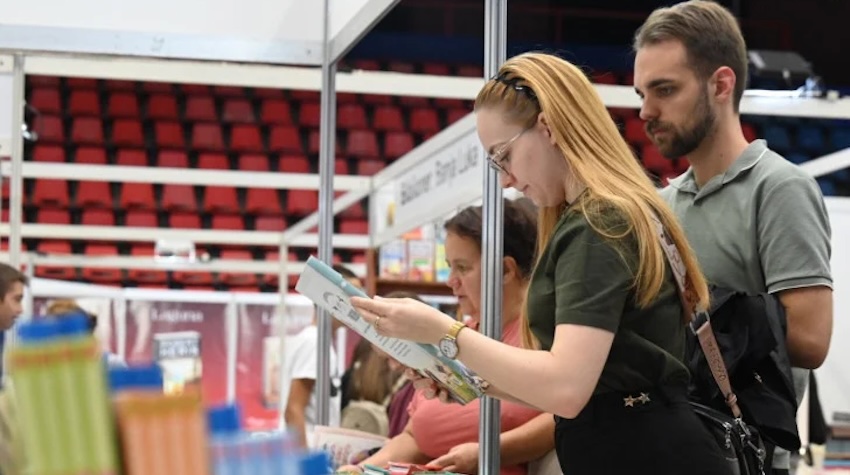
BANJA LUKA BOOK FAIR 2026 OPENS TODAY
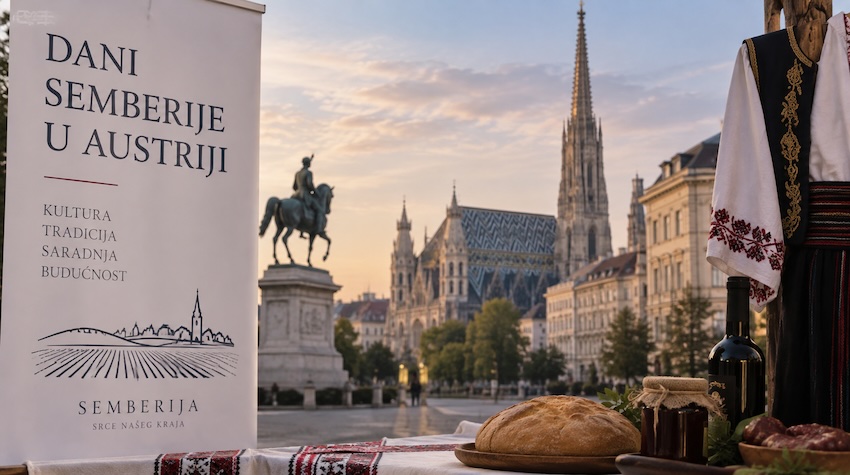
DAYS OF SEMBERIJA IN AUSTRIA: CULTURE, TRADITION AND LOCAL PRODUCTS PRESENTED TO AUSTRIAN AUDIENCES
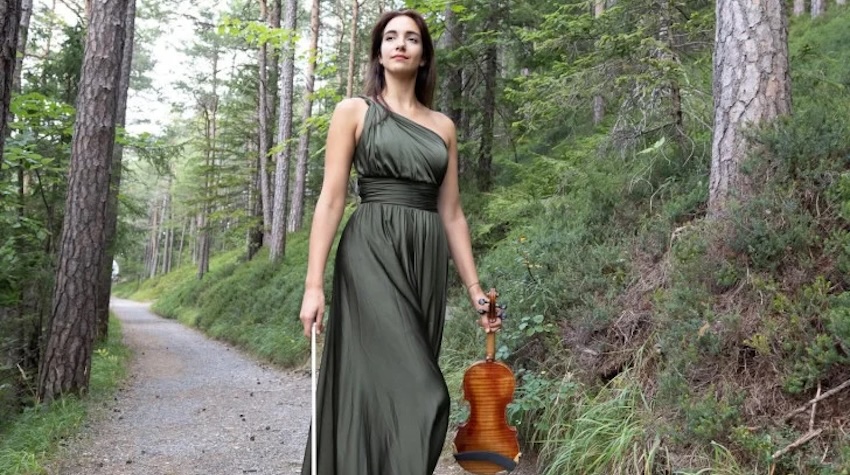
FROM EUROPEAN STAGES TO HER HOMETOWN: JOVANA RALJIĆ BRINGS VIVALDI TO BANJALUKA

 The situation at the border crossings