BANJALUKA'S LOST SYMBOLS DESTROYED BY ALLIED BOMBS
During the battles of World War II, particularly in the Allied bombing of 1944, an entire district of Banjaluka disappeared.


Historian Zoran Pejašinović highlighted this on his Facebook profile, pointing out that a significant architectural complex was lost in the broader area of today's roundabout near the monument to King Tvrtko I, extending up to the "Palas" Hotel.
"Undoubtedly, the Allied bombs dropped on the Fortress contributed the most to this destruction. These explosive devices were not particularly precise, as confirmed by footage from British aircraft. The 'collateral damage' included dozens of shops, warehouses, craft workshops, and private houses, as well as multi-story buildings owned by wealthy Banjaluka merchants, mostly built during the Austro-Hungarian period," Pejašinović stated.
In any case, he added, this part of the city was almost leveled to the ground, with only one major building on the eastern side of the main road surviving—the house of ironmonger Milan Janković, built in 1904.
"A great loss! Judging by old photographs and postcards, Banjaluka lost 'half of its marketplace' and some magnificent buildings, true architectural gems! Aside from 'Port Artur' owned by Dudo Poljokan and the Baum Palace (as it is more commonly known), about which some information can still be found, we know almost nothing about the other structures that disappeared during the four years of World War II. In fact, the average citizen of Banjaluka today, when looking at photos of these buildings, might not even recognize their own city," the historian emphasized.
He further noted that most of today's residents believe that old Banjaluka was almost entirely destroyed in the 1969 earthquake.
"But that might not be the case! In fact, the Allied bombs may have obliterated more architectural landmarks and urban beauties—at least in the city center—than the earthquake of '69 itself! Once again, what a loss! Had these buildings survived, they would be true ornaments in a city now plagued by greed and cheap aesthetics, elements that Banjaluka desperately needs," Pejašinović concluded.

Join our
Viber Community
TRAVELING BY CAMPERVAN FOR THE FIRST TIME? HERE’S WHAT YOU SHOULD KNOW BEFORE YOU GO
NEW RAIL LINK BETWEEN REPUBLIKA SRPSKA AND SERBIA: DAILY TRAIN SERVICE FROM ZVORNIK TO BELGRADE
‘DRŽAVNI POSAO’ CREW FILMS NEW PROJECT IN TREBINJE
SEE SRPSKA RECEIVES CHARTER FROM BANJA LUKA TOURIST ORGANIZATION
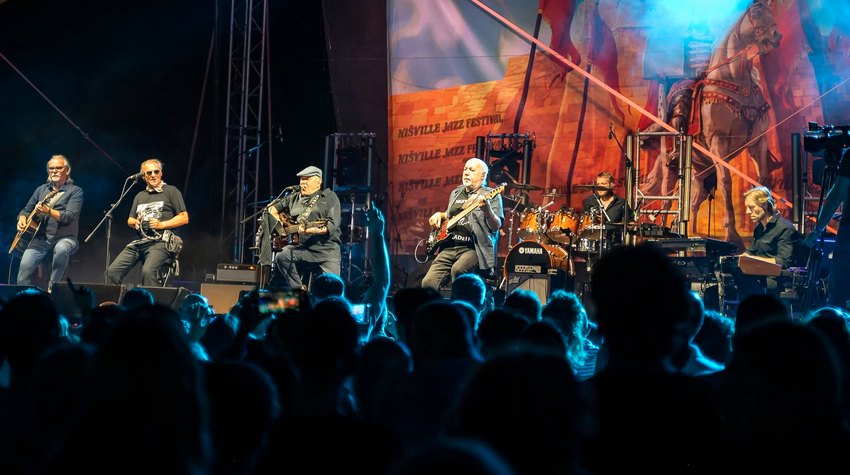
GALIJA TO CELEBRATE MAJOR ANNIVERSARY IN BANJA LUKA
NEW RAIL LINK BETWEEN REPUBLIKA SRPSKA AND SERBIA: DAILY TRAIN SERVICE FROM ZVORNIK TO BELGRADE
SEE SRPSKA RECEIVES CHARTER FROM BANJA LUKA TOURIST ORGANIZATION
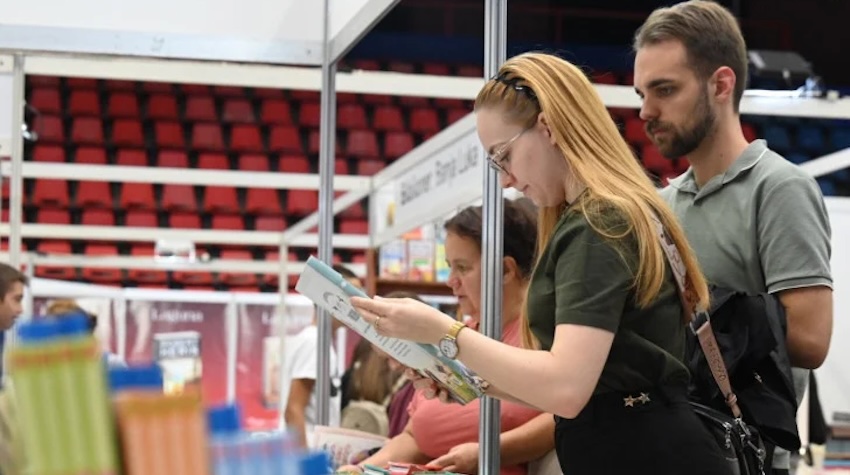
BANJA LUKA BOOK FAIR 2026 OPENS TODAY
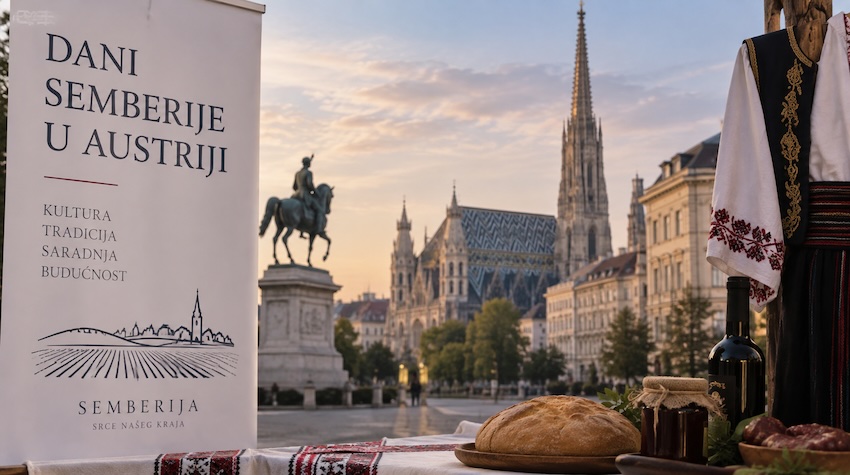
DAYS OF SEMBERIJA IN AUSTRIA: CULTURE, TRADITION AND LOCAL PRODUCTS PRESENTED TO AUSTRIAN AUDIENCES
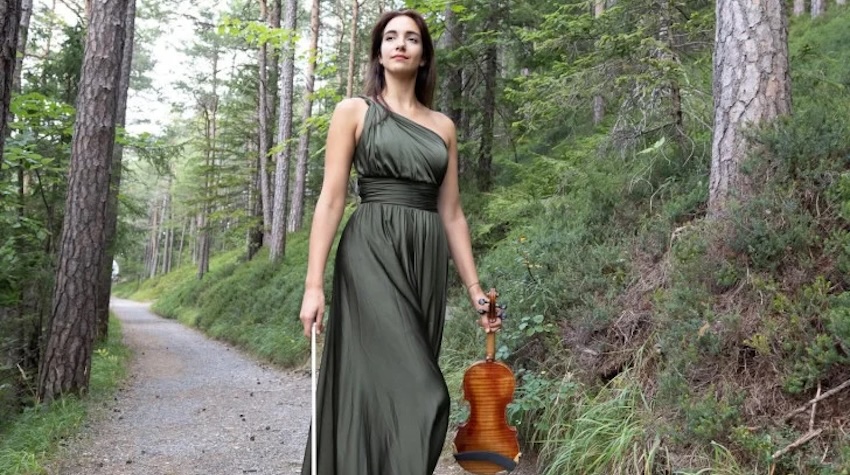
FROM EUROPEAN STAGES TO HER HOMETOWN: JOVANA RALJIĆ BRINGS VIVALDI TO BANJALUKA


 The situation at the border crossings