THE RED EGG - A SYMBOL OF RESURRECTION
The color red symbolizes joy and resurrection, and the first red egg is kept until the next Easter as a "guardian," or protector of the family.
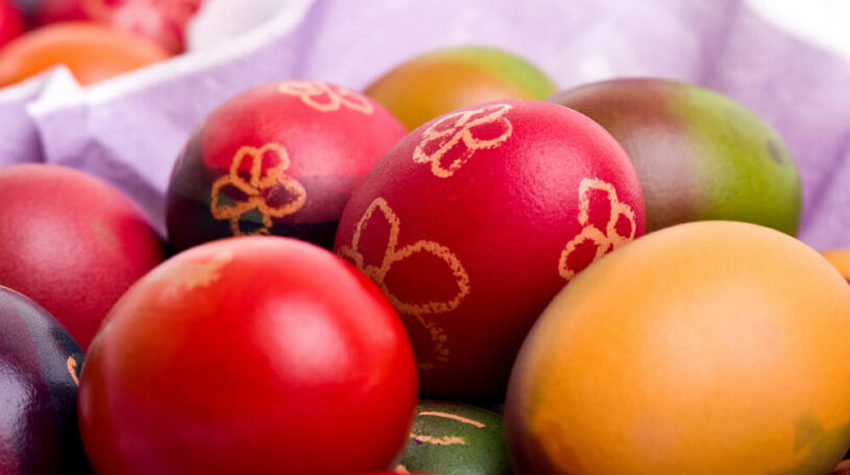
For centuries, eggs were dyed red using onion skins, green
with nettles, and purple with blueberries.
Today, dyed eggs are mostly bought, but there are still
homemakers who respect traditional customs and dye eggs in the traditional way.
The tradition of dyeing eggs at Easter is one of the oldest
Christian customs.
There are several legends explaining the reasons for coloring Easter eggs.
One of the most commonly told legends is about Mary
Magdalene's journey to Rome to preach the gospel. When she arrived at Emperor
Tiberius's court, she brought him a basket of eggs as a gift. The Emperor did
not believe in Christ's resurrection and said it would be as impossible as
white eggs in the basket turning red. Mary Magdalene replied, "Christ is
risen," and all the eggs in the basket turned red.
According to another legend, the inhabitants of Jerusalem
mocked the Christians, saying that Christ had not risen because it was
impossible, just as it was impossible for hens to lay red eggs. The following
year, on Easter day, all the hens in Jerusalem laid red eggs.
Easter is a Christian holiday celebrating the resurrection
of Jesus from the dead. According to Christian belief, this occurred on the
third day after his death.
It is celebrated after the Jewish Passover (Hebrew: pessach)
on the first Sunday after the full moon, which falls on the day of the spring
equinox.
Among Eastern Christians, Easter can be as early as April
4th or as late as May 8th, while among Western Christians, Easter always falls
between March 22nd and April 25th.

Join our
Viber Community

TRAVELING BY CAMPERVAN FOR THE FIRST TIME? HERE’S WHAT YOU SHOULD KNOW BEFORE YOU GO

NEW RAIL LINK BETWEEN REPUBLIKA SRPSKA AND SERBIA: DAILY TRAIN SERVICE FROM ZVORNIK TO BELGRADE
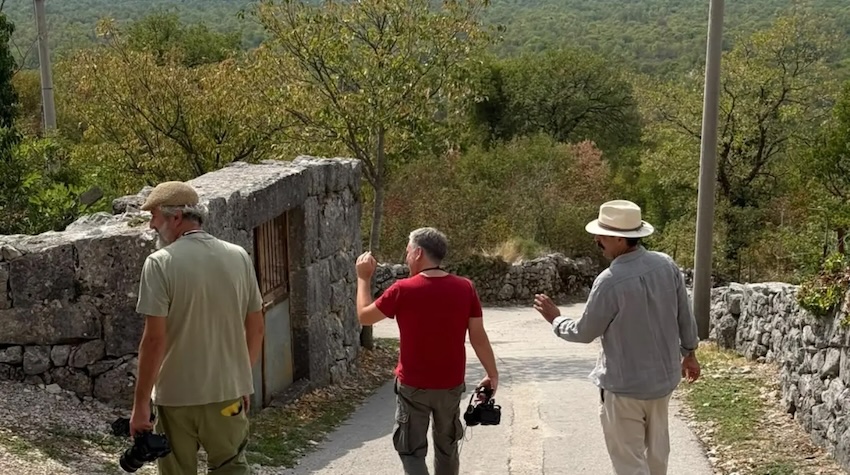
‘DRŽAVNI POSAO’ CREW FILMS NEW PROJECT IN TREBINJE

SEE SRPSKA RECEIVES CHARTER FROM BANJA LUKA TOURIST ORGANIZATION

GALIJA TO CELEBRATE MAJOR ANNIVERSARY IN BANJA LUKA
SEE SRPSKA RECEIVES CHARTER FROM BANJA LUKA TOURIST ORGANIZATION
NEW RAIL LINK BETWEEN REPUBLIKA SRPSKA AND SERBIA: DAILY TRAIN SERVICE FROM ZVORNIK TO BELGRADE

BANJA LUKA BOOK FAIR 2026 OPENS TODAY
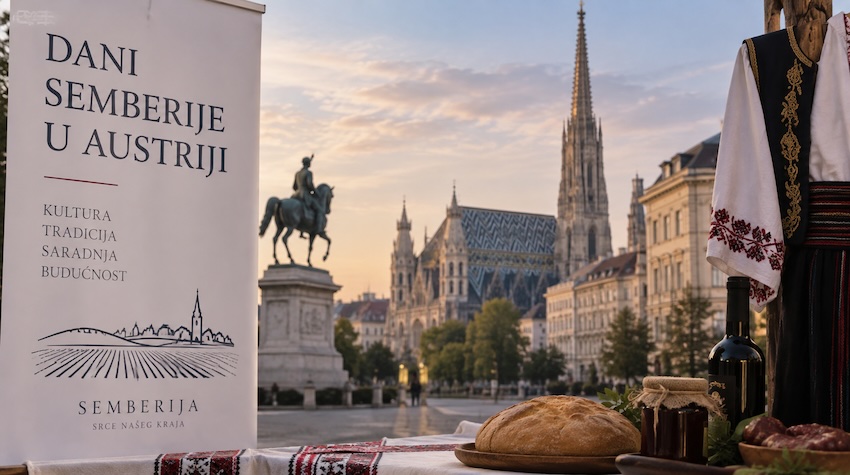
DAYS OF SEMBERIJA IN AUSTRIA: CULTURE, TRADITION AND LOCAL PRODUCTS PRESENTED TO AUSTRIAN AUDIENCES

FROM EUROPEAN STAGES TO HER HOMETOWN: JOVANA RALJIĆ BRINGS VIVALDI TO BANJALUKA


 The situation at the border crossings