BIJELJINA SUPPORTS YOUNG COUPLES WITH SUBSIDIES FOR BUYING HOUSES IN RURAL AREAS
For the third year in a row, the City of Bijeljina has been implementing a program that helps young married couples purchase houses in rural areas.

This year, seven couples have qualified for co-financing ranging from 10,000 to 20,000 KM, with the city covering up to 50 percent of the total investment value. The measure is considered unique in Bosnia and Herzegovina, as it simultaneously addresses the housing issue for young families and encourages life in rural communities.
In Banja Luka, Mayor Draško Stanivuković has for several years advocated for granting free land plots to young families. At the end of last year, he also announced subsidies for house construction worth around 20,000 KM, which corresponds to about 20 percent of total investments.
However, the full effect of these legal changes is currently blocked. The Law on Property Rights has been sent to the Constitutional Court of the Republic of Srpska for the protection of vital national interest.
The proposed amendments would allow free building rights for young married couples under the age of 35, single parents, and families with four or more children when acquiring their first house or apartment.
Potential of Rural Living
Although there is no detailed research for the whole of Bosnia and Herzegovina, the Demographic Development Strategy of Banja Luka shows that more than one-fifth of the city’s urban population would like to live in rural areas.
Demographer Aleksandar Čavić points out that many residents of Banja Luka already own plots in suburban or rural zones, but lack the conditions to build houses and qualify for loans. If property rights were enabled more easily, the number of people choosing village life would be significantly higher.
He adds that young people often cannot obtain project documentation or collect enough money for administrative costs, which prevents them from securing loans for house construction.
According to estimates, a house could be built for 50,000 to 60,000 KM, but additional costs and paperwork leave many unable to realize that plan.
Growing Interest in Rural Properties
Although demand for village houses is not massive, interest is becoming more visible, especially among families and individuals seeking recreation or long-term investments in nature.
Market data show that the most attractive suburban and rural zones are around Sarajevo, Banja Luka, Mostar, and Trebinje, and these areas are also the most expensive. Near Banja Luka, in places such as Čardačani, Dovići, and Čelinac, plots sell for 14,500 to 25,000 KM, while houses in suburban neighborhoods like Dragočaj can be found for about 90,000 KM. Larger and newer houses in Slatina reach prices of up to 295,000 KM, with larger land and better infrastructure.
Around Sarajevo, the market is dominated by land and weekend houses. In areas such as Šavnici (Pazarić), a house with land sells for about 125,000 KM, while land in Sumbulovac near Pale costs around 45,000 KM. Suburban areas of Mostar, including Ilići, Blagaj, and Buna, record building plot prices between 100 and 120 KM per square meter, meaning land of 1,000 to 2,000 m² costs between 120,000 and 213,000 KM. Houses in nearby settlements, depending on condition, are usually sold between 150,000 and 300,000 KM.
Trebinje has stood out in recent years as one of the fastest-growing real estate markets. Building land is often offered at 120 to 150 KM per square meter, while houses in and around the city are rarely found below 250,000 KM. Experts link the price growth to interest from the diaspora and proximity to the Adriatic coast.
Rural Areas as the Most Affordable Option
The lowest prices of houses and land are found in rural areas located 20 to 40 kilometers from major cities, where infrastructure is weaker and demand is lower.
According to agencies and listings, the most affordable village houses are primarily located in the Una-Sana Canton, northern parts of the Republic of Srpska, and central Bosnia.
In Bosanska Krupa, older houses can be found for 20,000 to 35,000 euros, usually with yards and auxiliary buildings, but requiring full renovation. Prices are slightly higher in Cazin, where functional houses with smaller estates range from 40,000 to 80,000 euros, while larger properties exceed 100,000 euros.
In the Republic of Srpska, the lowest prices are recorded in villages around Prijedor, Kozarska Dubica, and Gradiška, where older houses cost 25,000 to 40,000 euros, and livable properties with larger plots range between 50,000 and 90,000 euros.
In central Bosnia, affordable rural properties are offered near Bugojno, Donji Vakuf, and Gornji Vakuf/Uskoplje, where basic houses start from 30,000 euros, while better-maintained ones rarely exceed 80,000 euros.
Agencies note that demand is stable but moderate, and buyers are mostly domestic residents seeking peace, space for recreation, or long-term investment.
Negotiation is almost always part of the process, and the condition of the property largely determines the final price.

Join our
Viber Community
TRAVELING BY CAMPERVAN FOR THE FIRST TIME? HERE’S WHAT YOU SHOULD KNOW BEFORE YOU GO
NEW RAIL LINK BETWEEN REPUBLIKA SRPSKA AND SERBIA: DAILY TRAIN SERVICE FROM ZVORNIK TO BELGRADE
‘DRŽAVNI POSAO’ CREW FILMS NEW PROJECT IN TREBINJE
SEE SRPSKA RECEIVES CHARTER FROM BANJA LUKA TOURIST ORGANIZATION
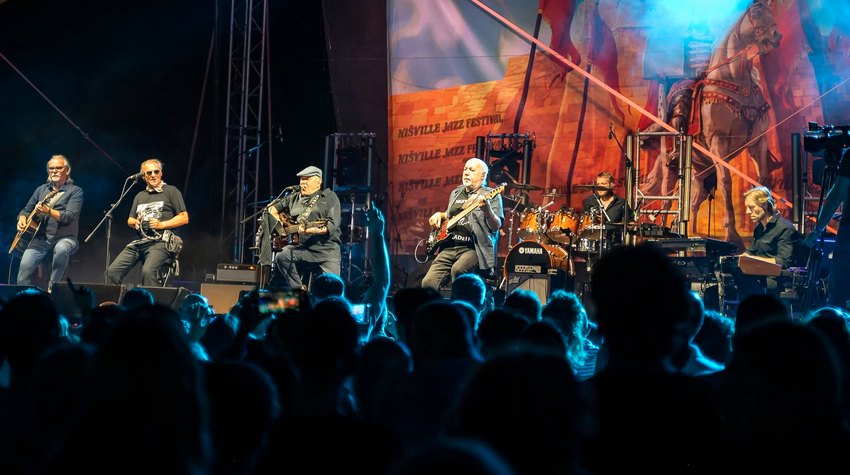
GALIJA TO CELEBRATE MAJOR ANNIVERSARY IN BANJA LUKA
NEW RAIL LINK BETWEEN REPUBLIKA SRPSKA AND SERBIA: DAILY TRAIN SERVICE FROM ZVORNIK TO BELGRADE
SEE SRPSKA RECEIVES CHARTER FROM BANJA LUKA TOURIST ORGANIZATION
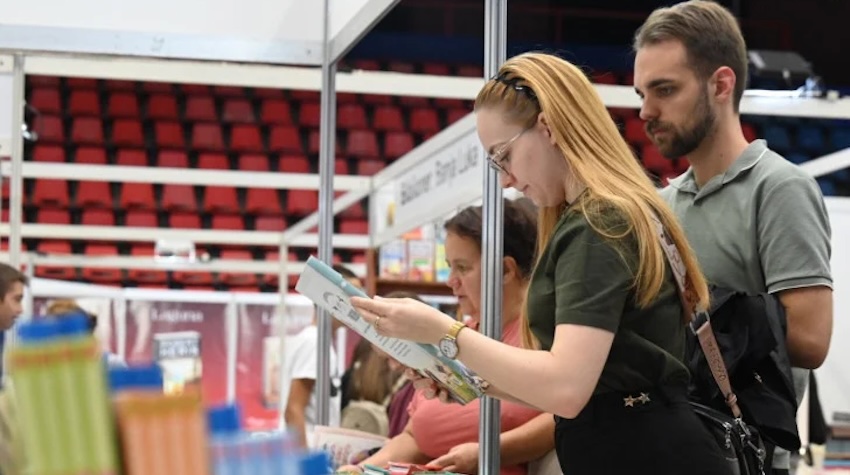
BANJA LUKA BOOK FAIR 2026 OPENS TODAY
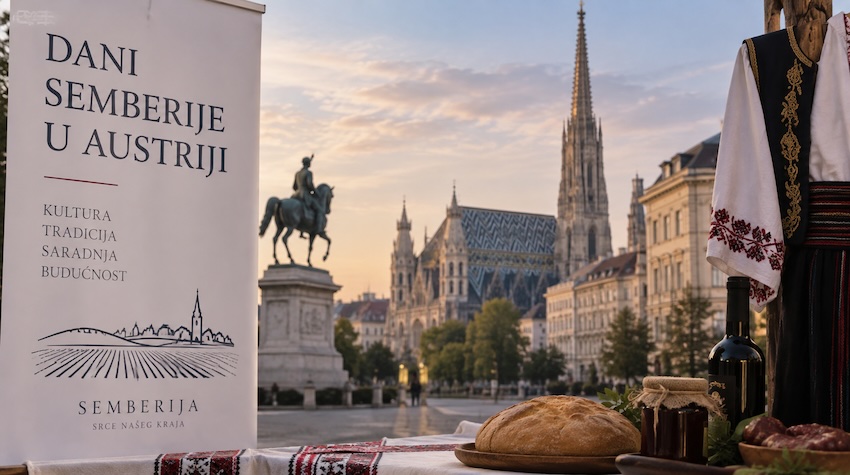
DAYS OF SEMBERIJA IN AUSTRIA: CULTURE, TRADITION AND LOCAL PRODUCTS PRESENTED TO AUSTRIAN AUDIENCES
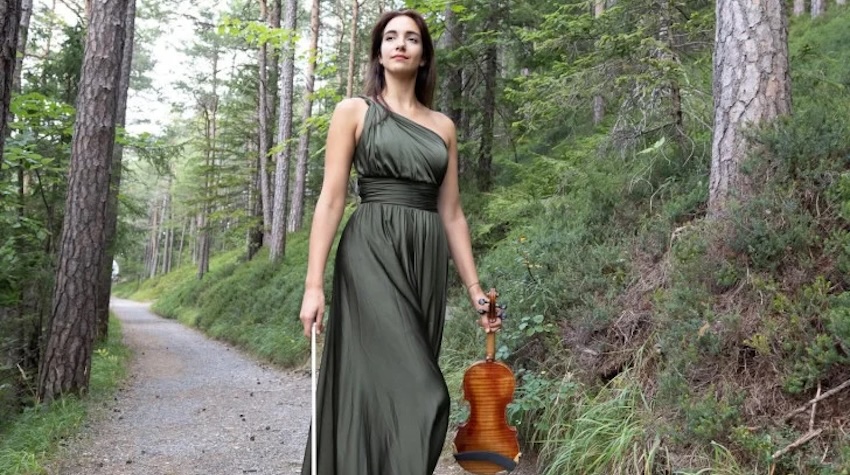
FROM EUROPEAN STAGES TO HER HOMETOWN: JOVANA RALJIĆ BRINGS VIVALDI TO BANJALUKA


 The situation at the border crossings