WHAT'S ATTRACTING TOURISTS TO SRPSKA?
A slight dip in the number of tourists visiting the Republic of Srpska in March hasn't discouraged the local tourism industry, as hopes remain high for a record-breaking summer season filled with international festivals and events.

According to data from the Republic Institute of Statistics, 32,262 tourists visited Srpska in March 2025, marking a 2.9% decrease compared to the same month last year. Overnight stays also declined slightly, by 2.5%. Over the first three months of the year, Srpska welcomed around 94,000 visitors, with 56,617 of them being international tourists.
As in previous years, the majority of foreign tourists came from Serbia, Croatia, Slovenia, Turkey, Montenegro, China, Austria, and Germany.
Sanela Šimun, Public Relations Officer for the Tourism Organization of the Republic of Srpska, told Glas Srpske that the slight drop in early 2025 was influenced by the broader socio-political situation in the region and Europe.
“We recorded an increase in tourist numbers in January and February, indicating a successful winter season. March and April, aside from holiday peaks, are traditionally slower months for tourism in Srpska. As we enter the summer season, we expect a steady rise in both visits and overnight stays,” Šimun said. She added that numerous upcoming cultural and sports events across the region are expected to attract a significant number of both domestic and international visitors.
Darko Krsmanović, Deputy Director of the Tourism Organization of Višegrad, also confirmed a slight downturn in visitors to the iconic town on the Drina River, particularly from Serbia — traditionally its most frequent source of tourists.
“The decline is mainly due to the political climate and student protests in Serbia,” Krsmanović explained. “However, we are optimistic about the coming months. In July, we will host the 60th Intermunicipal Youth Sports Games (MOSI), bringing together athletes from 35 municipalities across Serbia, Montenegro, and Bosnia and Herzegovina — about 2,500 participants and tens of thousands of guests. Events like the ‘Višegrad Regatta’ and traditional bridge diving will also draw crowds, and school excursions are starting up again.”
The city of Banja Luka also saw a slight decline in visitors in March, though Branka Branković from the city's Tourism Organization believes the numbers are insignificant.
“February was our peak month. March is always a bit slow, so there’s no reason for concern,” she said. “Banja Luka is a year-round destination, but some months naturally fluctuate.”
She added that several major events are on the calendar in the months ahead, including the 27th European Festival of Serbian Folklore of the Diaspora in early June.
“When we hosted the same event seven or eight years ago, around 6,500 guests arrived at once. It was a record attendance at Kastel Fortress. This summer will be packed with events, and we fully expect the tourism numbers to go up.”
Tourists, both foreign and domestic, mostly visited Srpska’s top attractions, including spa resorts and mountain centers. According to official statistics, over 13,700 people stayed in spa destinations, while about 16,500 enjoyed mountain tourism in the first quarter of the year.

Join our
Viber Community
TRAVELING BY CAMPERVAN FOR THE FIRST TIME? HERE’S WHAT YOU SHOULD KNOW BEFORE YOU GO
NEW RAIL LINK BETWEEN REPUBLIKA SRPSKA AND SERBIA: DAILY TRAIN SERVICE FROM ZVORNIK TO BELGRADE
‘DRŽAVNI POSAO’ CREW FILMS NEW PROJECT IN TREBINJE
SEE SRPSKA RECEIVES CHARTER FROM BANJA LUKA TOURIST ORGANIZATION
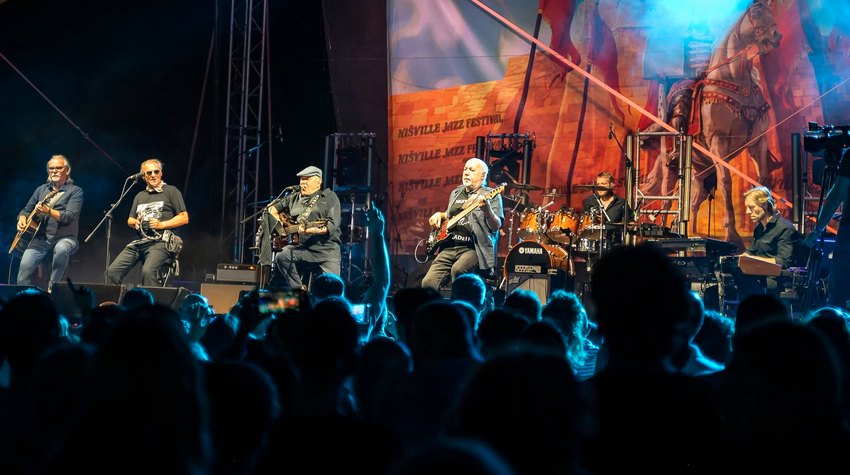
GALIJA TO CELEBRATE MAJOR ANNIVERSARY IN BANJA LUKA
NEW RAIL LINK BETWEEN REPUBLIKA SRPSKA AND SERBIA: DAILY TRAIN SERVICE FROM ZVORNIK TO BELGRADE
SEE SRPSKA RECEIVES CHARTER FROM BANJA LUKA TOURIST ORGANIZATION

BANJA LUKA BOOK FAIR 2026 OPENS TODAY
DAYS OF SEMBERIJA IN AUSTRIA: CULTURE, TRADITION AND LOCAL PRODUCTS PRESENTED TO AUSTRIAN AUDIENCES
FROM EUROPEAN STAGES TO HER HOMETOWN: JOVANA RALJIĆ BRINGS VIVALDI TO BANJALUKA

 The situation at the border crossings