ORGANIC FARMING DAY IN KALINOVIK SHOWCASES THE GROWING SUCCESS OF SUSTAINABLE AGRICULTURE
Organic farming continues to gain momentum in the Republic of Srpska, and this year's Organic Farming Day in Kalinovik highlighted how sustainable agriculture is creating new opportunities for rural communities while producing high-quality food.
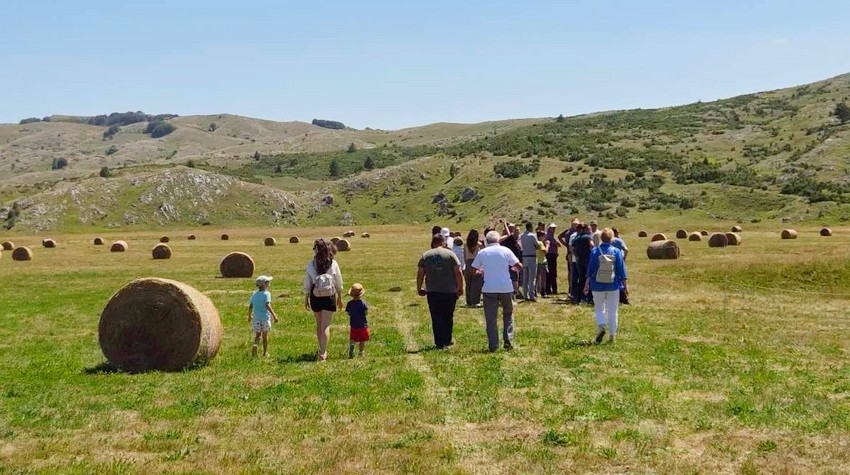
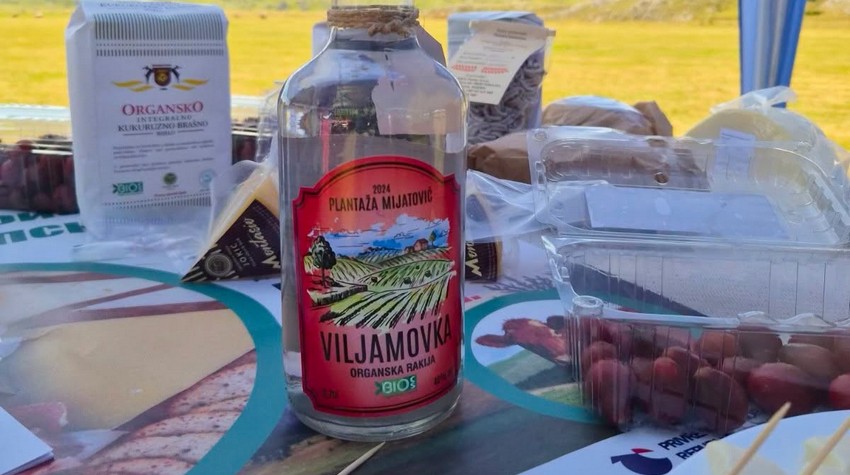
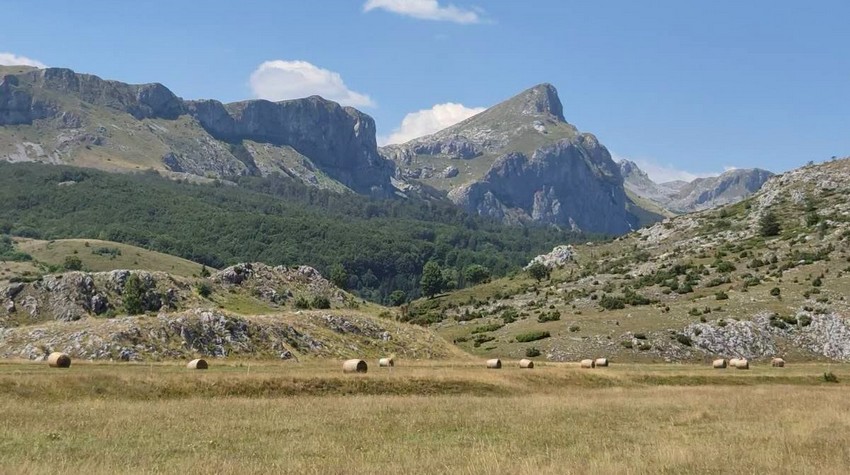
The
event was hosted by the "Gvozno" Agricultural Cooperative, the first
cooperative in the Republic of Srpska and one of only two in Bosnia and
Herzegovina to enter the certified organic production system back in 2019.
Since then, the cooperative has become a pioneer in organic cattle farming,
contributing to the development of livestock production in the mountainous
region of Kalinovik.
As the
first certified organic livestock farm in the Republic of Srpska, the
cooperative welcomed visitors with the support of the Ministry of Agriculture,
presenting its production methods and the benefits of organic farming.
According
to Siniša Crnjak, an employee of the "Gvozno" Cooperative, working on
the farm is far from being a burden.
"We
are currently preparing silage for the winter, while the cows do much of the
work naturally. This isn't exhausting—it's actually relaxing," Crnjak
said, describing the peaceful rhythm of life on the organic farm.
Among
the cooperative's members is retired farmer Momčilo Veletić from the village of
Vlaholje, who raises cattle and sheep on natural mountain pastures. He says the
animals graze freely on medicinal herbs, drink fresh mountain water and are
raised without chemical additives, resulting in premium-quality meat and dairy
products.
Despite the demanding mountain conditions, the dedication of local farmers, combined with professional guidance and financial support, has helped create certified organic products that are increasingly sought after on the market.
Organic
agriculture has expanded rapidly across the Republic of Srpska. While only
around 20 organic producers were registered six years ago, that number has now
grown to approximately 150, reflecting rising demand for certified organic food
and increasing interest among farmers.
Government
incentives have played an important role in this growth. In addition to support
from the Ministry of Agriculture, producers in Kalinovik also receive
assistance from the local municipality.
One
example is the Kalinovik House initiative, which brings together 20 local
agricultural producers. To encourage sales of locally made products, the municipality
subsidizes 20 percent of the price of every item sold through the initiative,
providing additional support for the development of rural entrepreneurship and
organic production.

Join our
Viber Community








 The situation at the border crossings