NEW LIFE FOR "OLD" HOTELS - THE FUTURE OF CONVERSION AND REBRANDING
The hotel industry is rapidly evolving, and with it the way new accommodation capacities are developed. One of the fastest-growing trends in modern hospitality is hotel conversion and rebranding — a model in which existing properties are transformed and adapted to meet new market demands and brand standards instead of building entirely new hotels from scratch

This
approach is becoming increasingly attractive to investors and hotel operators
because it allows for faster development, lower costs, and greater flexibility,
while also making it easier to respond to the expectations of modern travelers.
In the
context of hospitality and real estate, conversion refers to the process of
adapting an existing building into a new hotel brand or giving it an entirely
new purpose. Rather than starting construction from the ground up, owners
reposition existing spaces to align them with the standards of a new operator,
current market trends, and guest expectations.
Industry
experts note that conversions are gaining popularity because they provide a
more efficient alternative to traditional hotel construction. Instead of long
and expensive building projects, investors can use already existing facilities,
introduce them to the market more quickly, and manage investments more
effectively. At the same time, this model allows hotels to adapt more easily to
changing travel habits and shifts in demand.
Unlike newly built hotels, conversions focus on giving existing properties a new identity and function. This includes aligning the hotel with a specific brand, operational model, and market positioning without the lengthy timelines and high costs associated with new construction projects. Because of this, conversions are often considered a practical solution in today’s highly competitive hospitality market.
Not every property, however, is suitable for conversion. One of the first steps is evaluating whether a building can meet the standards of the new brand. Factors such as location, market demand, room layout, ceiling height, shared spaces, and additional facilities all play an important role in determining whether a conversion project can succeed.
Targeting the right audience is also crucial. Large international hotel chains are increasingly developing sub-brands aimed at specific groups of travelers, each with clearly defined services, design concepts, and operational styles. Proper positioning toward a particular guest demographic significantly increases a hotel’s chances of achieving strong market performance.
Conversions
also bring important financial and environmental advantages. Since they rely on
existing infrastructure, initial investments are often lower and project
timelines shorter, resulting in faster returns on investment. In addition, the
environmental impact is reduced because less new construction means less
construction waste and a smaller carbon footprint.
Despite
their advantages, hotel conversions require careful planning and detailed
analysis. Technical and structural limitations can greatly influence
development opportunities, making thorough evaluation essential before any
investment decision is made.
Experts
expect hotel conversions and rebranding projects to remain a key part of
hospitality development strategies in the years ahead. As guest expectations
and market trends continue to change, more hotels are likely to undergo
repositioning processes. In this way, older properties gain new value, while
conversions become one of the main tools for building a faster, more
sustainable, and modern hospitality industry, writes TU Magazin.

Join our
Viber Community
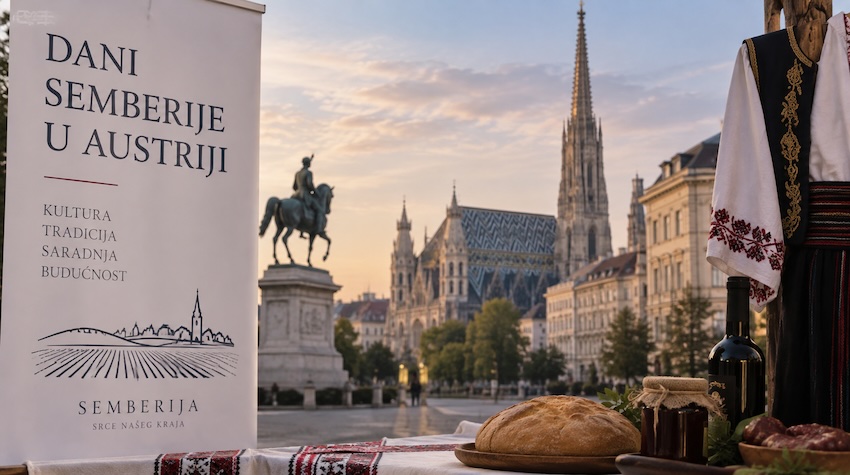
DAYS OF SEMBERIJA IN AUSTRIA: CULTURE, TRADITION AND LOCAL PRODUCTS PRESENTED TO AUSTRIAN AUDIENCES

BANJA LUKA BOOK FAIR 2026 OPENS TODAY
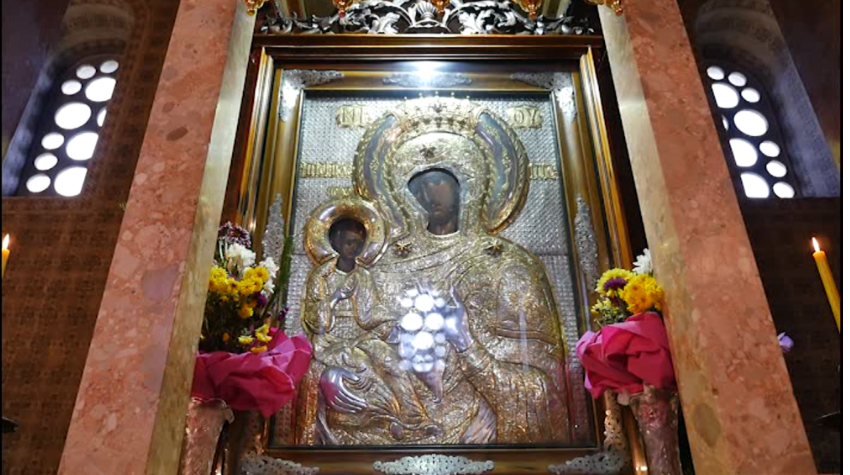
THE PEOPLE PROTECTED THE SACRED ICON, BELIEVING IT WAS PROTECTING THEM: THE STORY OF THE ČAJNIČE KRASNICA

APPEAL FOR HELP: BLOOD DONORS URGENTLY NEEDED FOR NATAŠA ĆEJIĆ IN BANJA LUKA

NEW GENERATION OF STUDENT THEATRE MEMBERS TAKES THE STAGE
APPEAL FOR HELP: BLOOD DONORS URGENTLY NEEDED FOR NATAŠA ĆEJIĆ IN BANJA LUKA

DEJAN KOKANOVIĆ CONQUERS 336 KM THROUGH THE ITALIAN ALPS

OKTOBERFEST KICKS OFF IN MUNICH, EXPECTING 6.5 MILLION VISITORS
DAYS OF SEMBERIJA IN AUSTRIA: CULTURE, TRADITION AND LOCAL PRODUCTS PRESENTED TO AUSTRIAN AUDIENCES

AUTUMN FRUITS AND HONEY FESTIVAL COMES TO BANJALUKA


 The situation at the border crossings