WHAT SUMMERS IN YUGOSLAVIA LOOKED LIKE
For millions of people across the former Yugoslavia, a summer holiday was much more than an annual vacation.
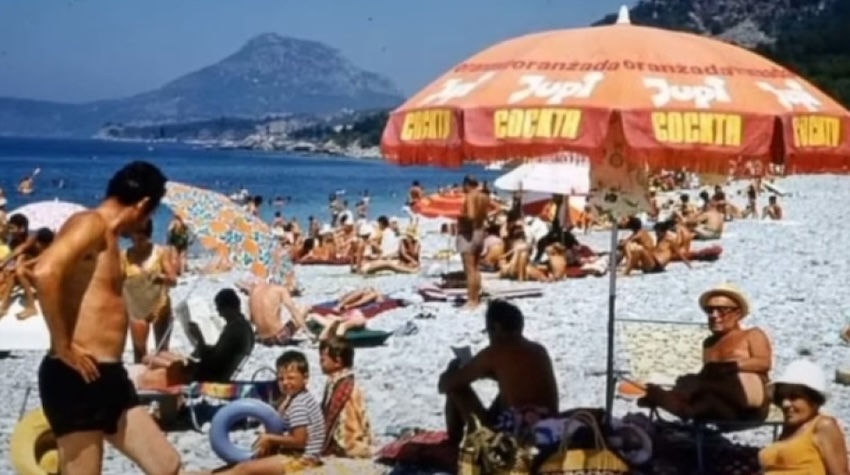
It was an event people looked forward to for months, a family ritual, and a memory that still brings a smile to people's faces today.
There was no internet, no booking apps, and no navigation systems to guide travellers to their destination. Yet a trip to the Adriatic coast was one of the most eagerly anticipated moments of the year.
Preparations lasted for days
Everything began long before departure. Suitcases were packed for days, and the family car had to accommodate what seemed like an entire household. Towels, umbrellas, inflatable mattresses, beach toys, coolers, and even a few pots and pans all had to find their place.
Anyone who owned a Zastava 750 ("Fića"), a Zastava 101 ("Stojadin"), a Fiat 1300, or a Yugo knows how valuable every centimetre of space was. Suitcases and tents were strapped to roof racks, while children squeezed into the back seat between bags and inflatable mattresses.
Families usually set off at dawn, often as early as three or four in the morning, to avoid the summer heat.
While fathers drove, mothers unfolded road maps and carefully watched for the next turn, and children repeated the same question every half hour:
"Are we there yet?"
The journey to the sea was an adventure in itself
The Adriatic Highway was packed with cars bearing licence plates from every corner of the country. There was no air conditioning, windows remained wide open, the radio played the greatest hits of the day, and the journey lasted for hours.
Nobody seemed to mind.
The first stop was almost a ritual. Homemade sandwiches filled with bologna, breaded schnitzels or fried chicken, boiled eggs, tomatoes, juice, and coffee from a thermos were laid out on the hood of the car or on a wooden table by the roadside. It sounds simple today, but many would say that no restaurant could ever replace that breakfast.
Then, after long hours of driving, the sea would finally appear beyond the last bend in the road. It was a moment beyond words, and children could hardly wait to jump out of the car and run towards the water.
A holiday for everyone
Few people stayed in luxury hotels. Most families spent their vacations in workers' resorts owned by companies or in campsites along the coast.
There were hardly any differences among the guests. Directors, factory workers, and their families shared tables, played chess, cards, or bocce, while children quickly formed friendships that often lasted for years.
Many people still remember meeting the same friends every summer from Sarajevo, Skopje, Zagreb, Ljubljana, Belgrade, or Titograd.
Beaches without phones
There were no Bluetooth speakers, influencers, or endless photo sessions. The only sounds were the waves, children's laughter, and volleyballs flying over improvised nets.
People built sandcastles, collected seashells, dived for pebbles, played cards and board games, while adults spent hours talking to people they had met only moments earlier.
It was a time when friendships could be formed in a matter of minutes.
The little things that created the most beautiful memories
Some summer traditions have almost disappeared, but many people still remember them vividly.
Transparent plastic sandals that protected feet from sea urchins.
Vendors walking along the beach shouting, "Jam doughnuts! Chocolate doughnuts!"
Ice cream served in colourful plastic cups that later became treasured beach toys.
Postcards sent to relatives on the last day of the holiday with the inevitable message:
"Greetings from the sunny Adriatic!"
And, of course, cameras with rolls of film containing just 24 or 36 exposures. Every photograph had to be carefully considered because there was no deleting or retaking. Only after returning home and developing the film would people discover whether the memory had been captured successfully.
Evenings that remain unforgettable
After a day at the beach, everyone dressed up for an evening walk along the waterfront promenade.
The smell of roasted corn, pancakes, and ice cream filled the air, while live music drifted from hotel terraces. Children chased balloons, adults sipped Cockta or other cold drinks, and the sea provided the perfect backdrop for warm summer nights.
More than an ordinary holiday
There were no luxury apartments, air conditioners, social media platforms, or constant notifications. Yet there was something many people miss today: a sense of carefree happiness.
A summer holiday in Yugoslavia was not a search for the perfect photograph or the most expensive accommodation. It was a time when the journey itself was part of the adventure, when strangers easily became friends, and when ten days by the sea created memories that lasted a lifetime.
That is why, even today, the scent of the sea or the sound of an old summer song can instantly transport people back to those days, when children impatiently waited for their father to close the trunk, their mother to check the luggage one last time, and the family car to finally set off towards the coast.
Back then, going to the seaside was not just a holiday.
It was a celebration of life.

Join our
Viber Community
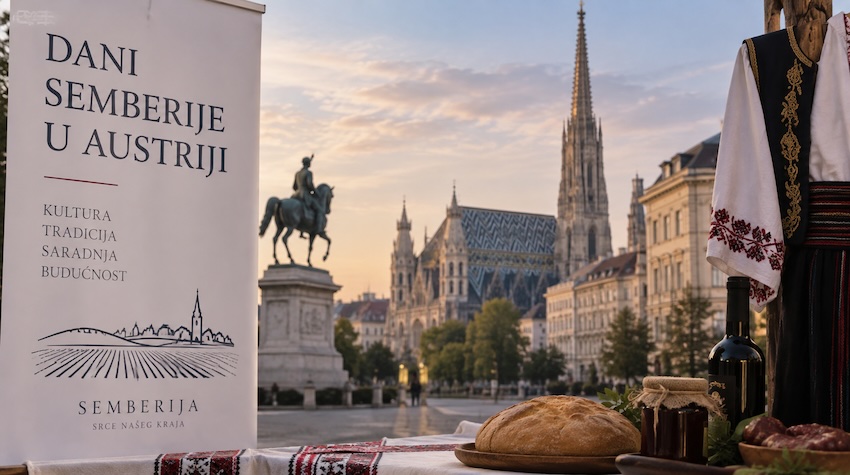
DAYS OF SEMBERIJA IN AUSTRIA: CULTURE, TRADITION AND LOCAL PRODUCTS PRESENTED TO AUSTRIAN AUDIENCES

BANJA LUKA BOOK FAIR 2026 OPENS TODAY
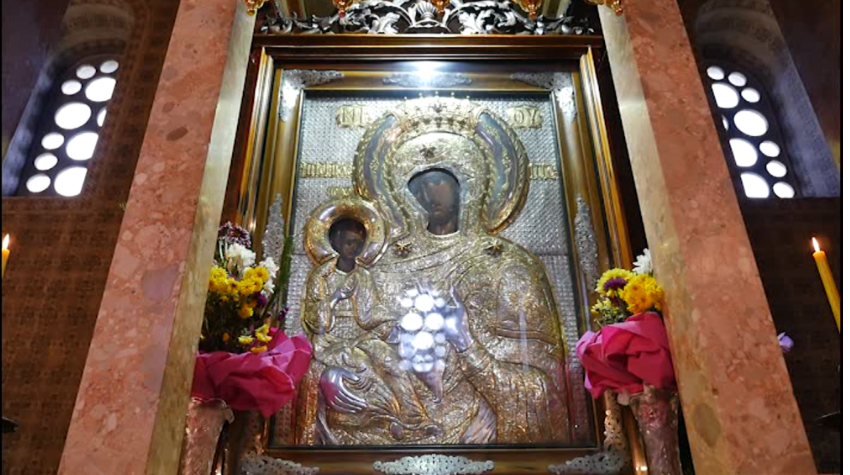
THE PEOPLE PROTECTED THE SACRED ICON, BELIEVING IT WAS PROTECTING THEM: THE STORY OF THE ČAJNIČE KRASNICA

APPEAL FOR HELP: BLOOD DONORS URGENTLY NEEDED FOR NATAŠA ĆEJIĆ IN BANJA LUKA

NEW GENERATION OF STUDENT THEATRE MEMBERS TAKES THE STAGE
APPEAL FOR HELP: BLOOD DONORS URGENTLY NEEDED FOR NATAŠA ĆEJIĆ IN BANJA LUKA

DEJAN KOKANOVIĆ CONQUERS 336 KM THROUGH THE ITALIAN ALPS

OKTOBERFEST KICKS OFF IN MUNICH, EXPECTING 6.5 MILLION VISITORS
DAYS OF SEMBERIJA IN AUSTRIA: CULTURE, TRADITION AND LOCAL PRODUCTS PRESENTED TO AUSTRIAN AUDIENCES

AUTUMN FRUITS AND HONEY FESTIVAL COMES TO BANJALUKA

 The situation at the border crossings