HYBRID ROOMS AND VIRTUAL SOLUTIONS ARE TRANSFORMING THE WAY PEOPLE WORK AND STAY IN HOTELS
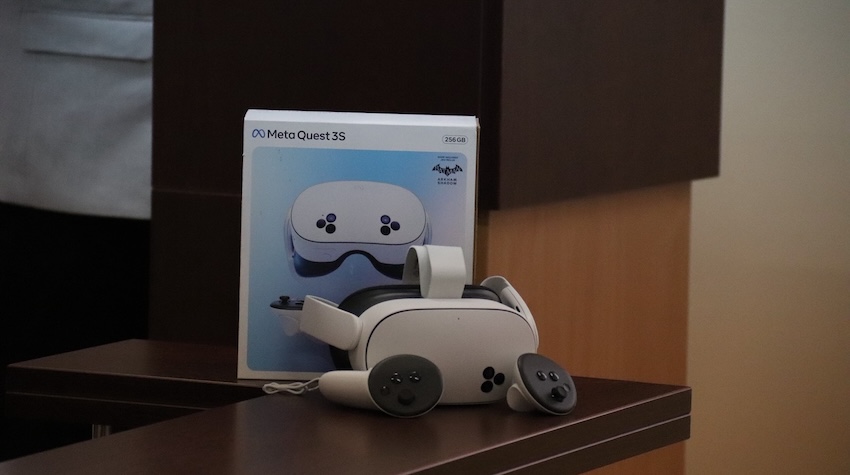
Virtual solutions in the hospitality industry — particularly through the development of hybrid rooms and hybrid meetings — are becoming an integral part of modern hotel offerings aimed at guests who not only stay in hotels, but also work or live there for extended periods.

Changes
in business models, the rise of remote work, and the constant need for digital
connectivity have pushed hotels to take on the role of flexible business hubs
rather than serving solely as places for rest and leisure.
What Are Hybrid Rooms and How Do They Work?
Hybrid
rooms are multifunctional spaces equipped with advanced audio-visual
technology, stable high-speed internet connections, and professional
video-communication software. They enable guests to participate in meetings,
conferences, and presentations regardless of the physical location of other
participants.
At the
same time, hybrid meetings connect attendees physically present in conference
rooms with those joining online, effectively removing the boundaries between
physical and virtual business environments.
Benefits for Hotels and Guests
For
hotels, investing in such virtual solutions brings multiple advantages. It
increases their appeal to business travelers, digital nomads, and companies
seeking flexible spaces for work and events.
At the
same time, guest stays are extended, as hotels become places where
accommodation, work, and business obligations can be seamlessly combined —
without the need for additional coworking spaces outside the property.
Regional Trends
In
Serbia, this trend is most visible in larger urban centers, particularly in
Belgrade and Novi Sad. Hotels in these cities are increasingly offering
technologically equipped conference rooms for hybrid meetings, as well as guest
rooms adapted for remote work. Business and upscale hotels have recognized the
growing market demand for reliable digital infrastructure, especially among
international companies, the startup community, and event organizers.
Across
the wider region — especially in Croatia and Slovenia — hybrid solutions are
further developed in destinations that combine tourism and business gatherings.
Cities such as Zagreb, Ljubljana, and Opatija have positioned their hotels as
hubs for conference and corporate tourism. Meanwhile, in Bosnia and Herzegovina
and Montenegro, efforts are underway to enhance technical capacities so hotels
can meet the demands of modern hybrid events.
What Does This Mean for Guests?
For
guests who live and work in hotels, virtual solutions mean greater flexibility
and efficiency. The ability to hold meetings, presentations, and team
gatherings directly from the hotel environment contributes to a better balance
between professional responsibilities and personal time.
For
event organizers, the hybrid model offers broader accessibility, reduced
logistical complexity, and the opportunity to include participants from
different countries without additional travel costs.
All
indicators suggest that hybrid rooms and hybrid meetings will soon become the
standard rather than the exception in the hospitality industry. Hotels in
Serbia and across the region that invest in virtual solutions in a timely
manner are not only keeping pace with global trends but are actively shaping
the new role of hotels as spaces for living, working, and digital connectivity.

Join our
Viber Community

NEW GENERATION OF STUDENT THEATRE MEMBERS TAKES THE STAGE

AUTUMN FRUITS AND HONEY FESTIVAL COMES TO BANJALUKA

DEJAN KOKANOVIĆ CONQUERS 336 KM THROUGH THE ITALIAN ALPS

HOMEMADE AJVAR - A TASTE OF TRADITION

OKTOBERFEST KICKS OFF IN MUNICH, EXPECTING 6.5 MILLION VISITORS
DEJAN KOKANOVIĆ CONQUERS 336 KM THROUGH THE ITALIAN ALPS
DERVENTA BRINGS ITS PAST TO LIFE: 3D FORTRESS AND VIRTUAL TOUR OF THE CITY
OKTOBERFEST KICKS OFF IN MUNICH, EXPECTING 6.5 MILLION VISITORS

SPANISH TRAVEL WRITER DISCOVERS THE GREEN SIDE OF BANJA LUKA
A WITNESS TO CENTURIES: THE MONASTERY OF ST. GEORGE NEAR TREBINJE


 The situation at the border crossings