WAS AN ANCIENT CITY DISCOVERED BENEATH TREBINJE?
Archaeological research at the former Travunija Square in Trebinje could be a crucial step in uncovering historical data about the existence and appearance of medieval Trebinje, said Ivana Grujić, director of the Museum of Herzegovina, in an interview with Srna.

Grujić stated that during the final phase of paving the Old Town, houses dating back to the second half of the 18th century have been discovered.
"These houses were demolished in the 20th century, and their foundations lie just beneath the old asphalt and paving stones. We are currently dealing with 18th-century archaeology, but in every excavation, we will dig down to the undisturbed layer, ensuring a complete picture of this area," Grujić explained.
She noted that the Republic Institute conducted minor research in this area in 2001, led by archaeologist Aleksandar Ratković, who discovered structures believed to date back to the 18th century, during the Ottoman period.
"He found a cistern near the former fountain in the Old Town. Additionally, in front of the mosque entrance, he uncovered part of a channel that may have served as secondary protection for soldiers moving unseen within the fortress walls," she specified.
According to Grujić, the entire Old Town and its surrounding core have been a national monument of Bosnia and Herzegovina and the Republic of Srpska since 2019. The Old Town has been under protection since 1951, subject to cultural heritage laws, making these investigations essential.
"As archaeologists, these studies are crucial for us, but they are also vital for Trebinje. They will provide more insights into the development of the fortification, which took its current form in 1706 when the Ottomans, after withdrawing from Herceg Novi and Risan, expanded the medieval fortress to accommodate their military garrison," said Grujić.
Archaeologists have also uncovered a 1.5-meter-thick wall within the Museum of Herzegovina’s building and courtyard, which is believed to belong to an older medieval fortification.
"This area near the city walls likely represents the expansion from the early 18th century. However, it is not ruled out that we may also discover remains from the medieval, Roman, or even prehistoric periods, as Trebinje has been inhabited since prehistoric times," Grujić pointed out.
She recalled that Trebinje was an important center from Roman times and the early Middle Ages, serving as the seat of the local župan (governor), and that Serbian Queen Helena of Anjou had her court there.
"According to historical records and church schematics, there was a medieval monastery where the Museum building now stands. Since we lack archaeological data on medieval churches in Trebinje’s Old Town, as well as on palaces and other structures, this research could provide valuable evidence about the existence and appearance of medieval Trebinje," she emphasized.
Grujić highlighted the significance of such discoveries, as they could confirm historical sources and precisely locate medieval structures.
"Historically, Trebinje was one of the most important Serbian cities. It is mentioned in historical records as early as the 10th century and has retained its name since the second half of the 12th century. In addition to written sources, archaeological findings are needed to verify the exact locations of significant medieval structures. Besides the Crkvina and Police hills, where the earliest settlements existed on the left bank, such discoveries could confirm that Trebinje's administrative center was also on the right bank of the Trebišnjica River during certain periods, representing a major historical breakthrough," Grujić concluded.
From a tourism perspective, the discovery and preservation of older structures would serve as an additional attraction, allowing visitors to explore remnants of Trebinje’s ancient past.

Join our
Viber Community
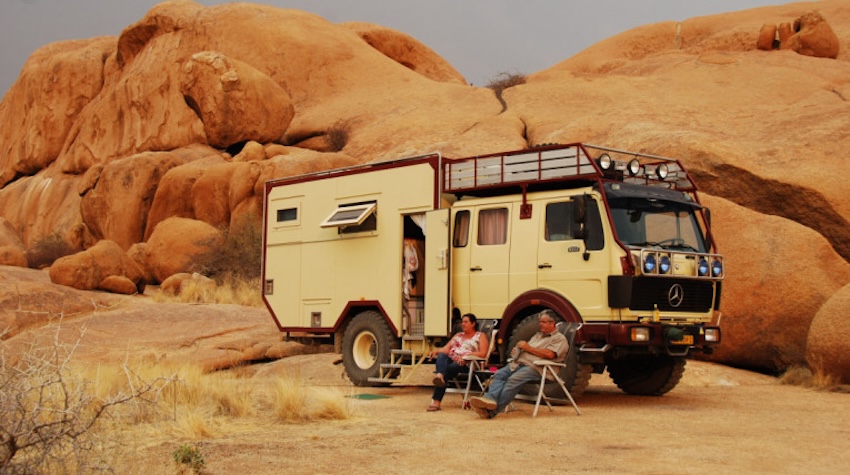
TRAVELING BY CAMPERVAN FOR THE FIRST TIME? HERE’S WHAT YOU SHOULD KNOW BEFORE YOU GO

NEW RAIL LINK BETWEEN REPUBLIKA SRPSKA AND SERBIA: DAILY TRAIN SERVICE FROM ZVORNIK TO BELGRADE
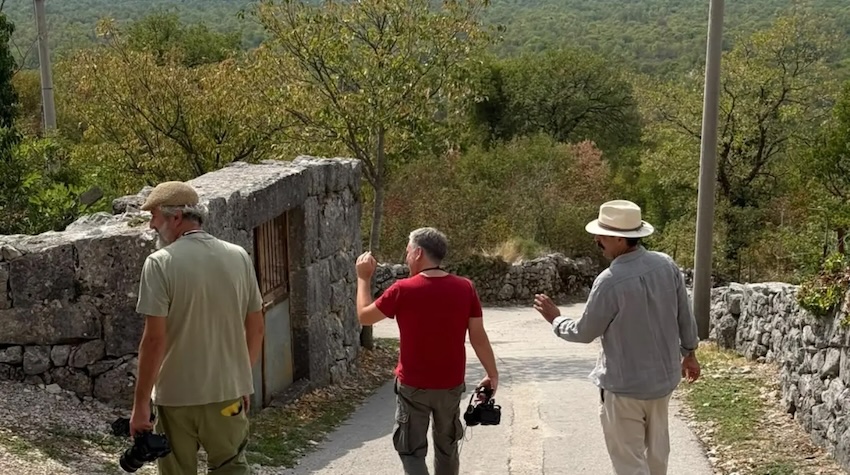
‘DRŽAVNI POSAO’ CREW FILMS NEW PROJECT IN TREBINJE

SEE SRPSKA RECEIVES CHARTER FROM BANJA LUKA TOURIST ORGANIZATION

GALIJA TO CELEBRATE MAJOR ANNIVERSARY IN BANJA LUKA
SEE SRPSKA RECEIVES CHARTER FROM BANJA LUKA TOURIST ORGANIZATION
NEW RAIL LINK BETWEEN REPUBLIKA SRPSKA AND SERBIA: DAILY TRAIN SERVICE FROM ZVORNIK TO BELGRADE

BANJA LUKA BOOK FAIR 2026 OPENS TODAY
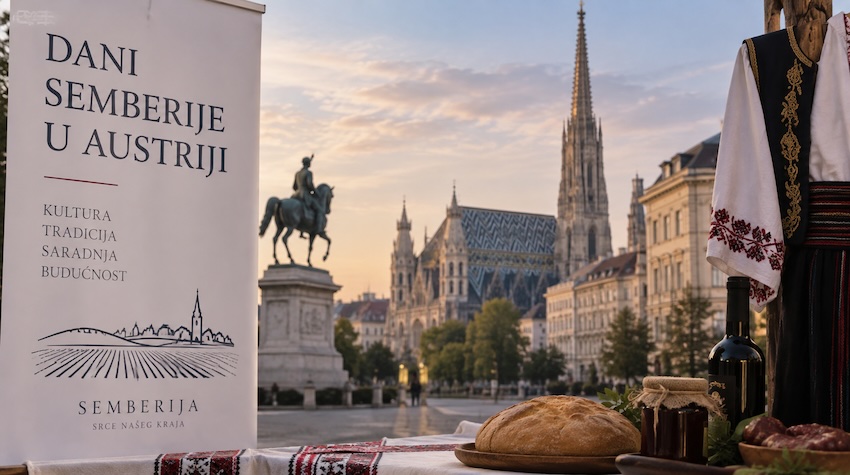
DAYS OF SEMBERIJA IN AUSTRIA: CULTURE, TRADITION AND LOCAL PRODUCTS PRESENTED TO AUSTRIAN AUDIENCES
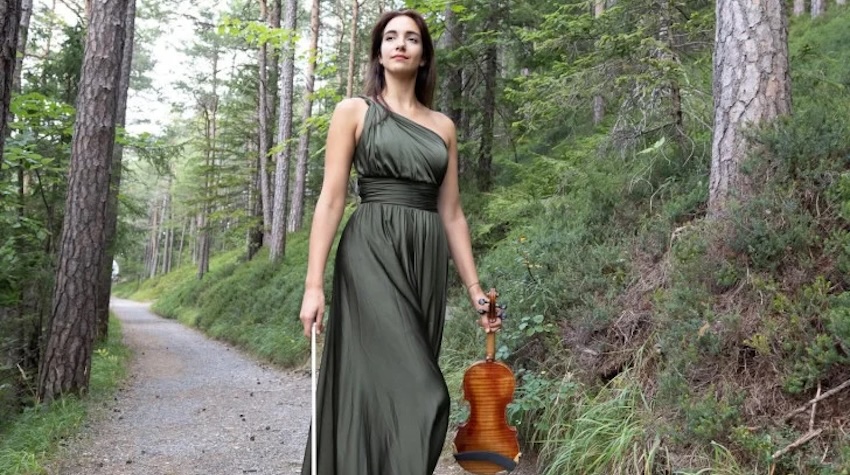
FROM EUROPEAN STAGES TO HER HOMETOWN: JOVANA RALJIĆ BRINGS VIVALDI TO BANJALUKA


 The situation at the border crossings