DISHES THAT SHOULD BE ON THE EASTER TABLE
As Easter approaches, homemakers are busy planning the holiday feast, carefully choosing the dishes that will grace their tables on this holy day.

Easter is not only the most joyful Christian holiday but also a day filled with deep symbolism. Every dish served carries meaning, rooted in tradition and bearing a message.
Painted eggs – a symbol of Resurrection and new life
No Easter can go by without painted eggs. The first red egg is dyed on Holy Thursday and symbolizes the blood of Christ, while the colorful eggs represent joy, renewal, and new life. This custom has pre-Christian origins but gained deeper significance in Christianity, becoming an essential part of the Easter celebration.
Honey – the sweetness of God's word
Honey holds a special place on the Easter table. It symbolizes the apostles who, like bees, tirelessly spread the word of God across the world. Through the centuries, honey has stood for wisdom, abundance, and divine presence. Eating honey at Easter reminds the household that spiritual sweetness is just as important as physical nourishment.
Lamb – sacrifice and victory
The lamb is one of the strongest Christian symbols, representing Jesus Christ Himself, who sacrificed Himself for the salvation of mankind. Lamb on the festive table is not just the main course – it is a reminder of His sacrifice, suffering, and ultimate victory over death.
Pogača (traditional bread) – the bread of life
The scent of homemade pogača, instead of store-bought bread, enriches every holiday table. Bread symbolizes Jesus Christ, who said, “I am the bread of life” (John 6:48). That’s why Easter bread is made with love and devotion, as an act of gratitude and faith.
Fish – a sign of faith and unity
Although fish is mostly eaten during Lent, many include it on the Easter table for its symbolic meaning. In the early days of Christianity, fish was a secret sign of recognition among believers. Its presence at Easter serves as a reminder of unity and a quiet but powerful faith.
Yeast – the power of the small in God's work
There is no Easter bread without yeast, and its symbolism runs deep. Yeast represents the Kingdom of Heaven – something invisible that transforms everything it touches.
"Just a little yeast works through the whole batch of dough," says the Scripture, reminding us that even a small amount of faith can bring about great change.

Join our
Viber Community

TRAVELING BY CAMPERVAN FOR THE FIRST TIME? HERE’S WHAT YOU SHOULD KNOW BEFORE YOU GO

NEW RAIL LINK BETWEEN REPUBLIKA SRPSKA AND SERBIA: DAILY TRAIN SERVICE FROM ZVORNIK TO BELGRADE
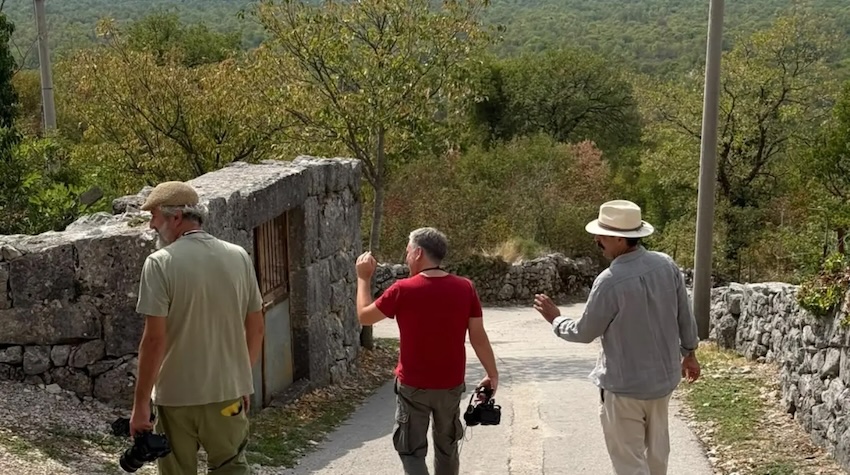
‘DRŽAVNI POSAO’ CREW FILMS NEW PROJECT IN TREBINJE

SEE SRPSKA RECEIVES CHARTER FROM BANJA LUKA TOURIST ORGANIZATION
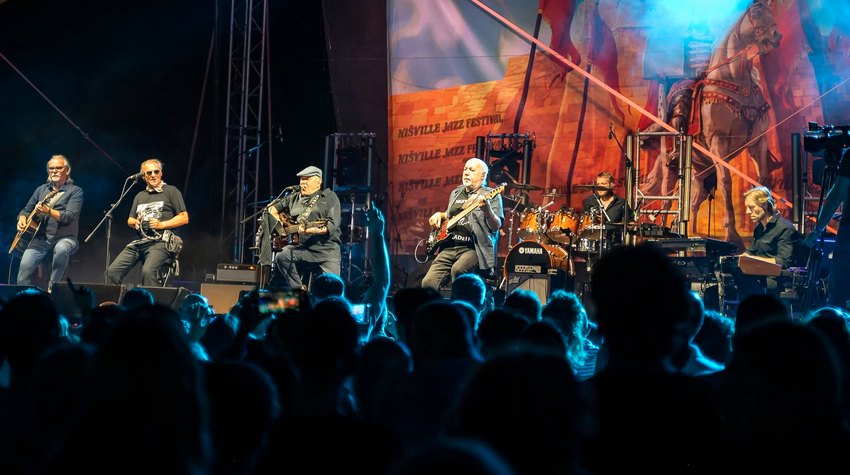
GALIJA TO CELEBRATE MAJOR ANNIVERSARY IN BANJA LUKA
NEW RAIL LINK BETWEEN REPUBLIKA SRPSKA AND SERBIA: DAILY TRAIN SERVICE FROM ZVORNIK TO BELGRADE
SEE SRPSKA RECEIVES CHARTER FROM BANJA LUKA TOURIST ORGANIZATION
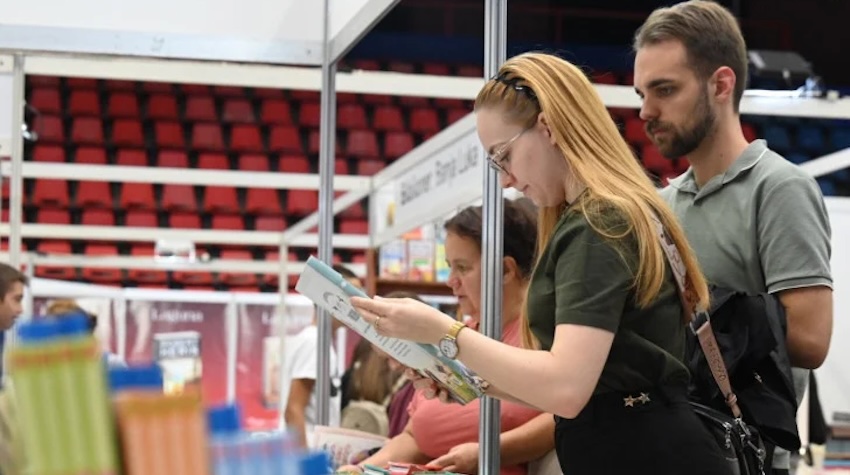
BANJA LUKA BOOK FAIR 2026 OPENS TODAY
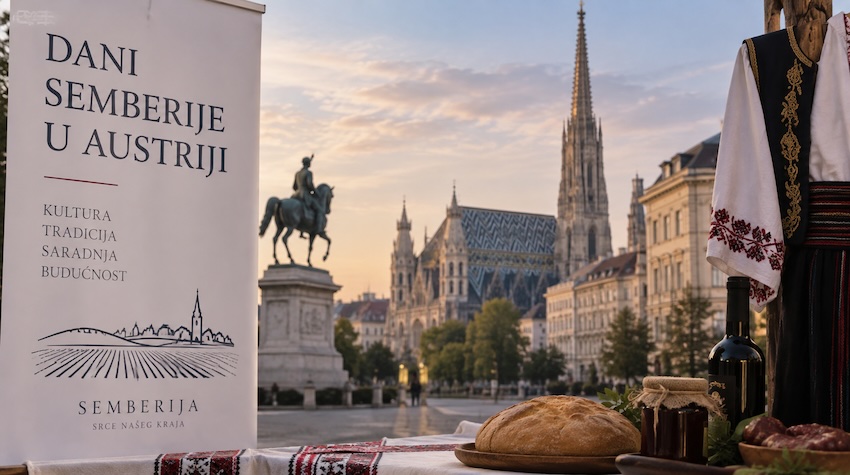
DAYS OF SEMBERIJA IN AUSTRIA: CULTURE, TRADITION AND LOCAL PRODUCTS PRESENTED TO AUSTRIAN AUDIENCES

FROM EUROPEAN STAGES TO HER HOMETOWN: JOVANA RALJIĆ BRINGS VIVALDI TO BANJALUKA


 The situation at the border crossings