BEEKEEPERS HIGHLIGHT THE REMARKABLE DEDICATION OF BEES
Climate change, drought, counterfeit honey on the market and a shortage of young beekeepers are among the major challenges facing beekeeping today. Despite these difficulties, bees continue their tireless work, playing an essential role in the prosperity of the natural environment and the areas where they live.
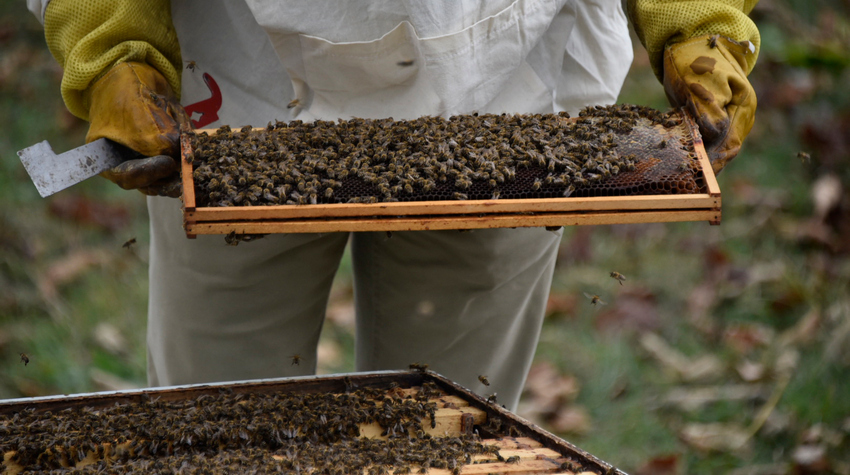
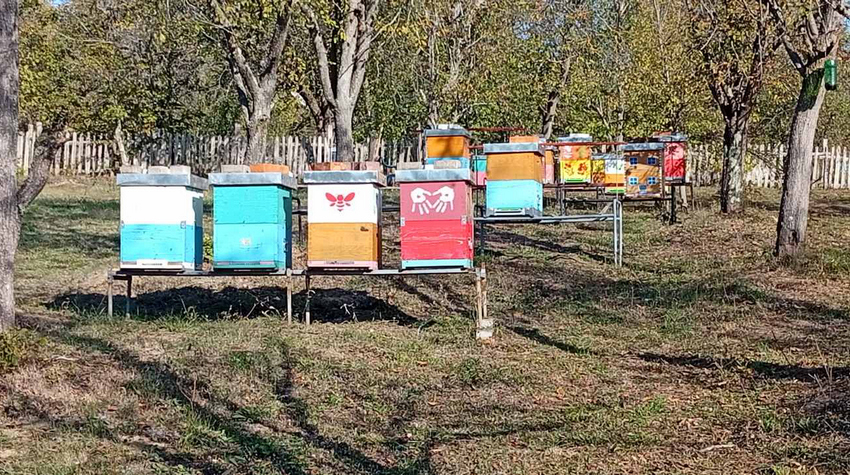
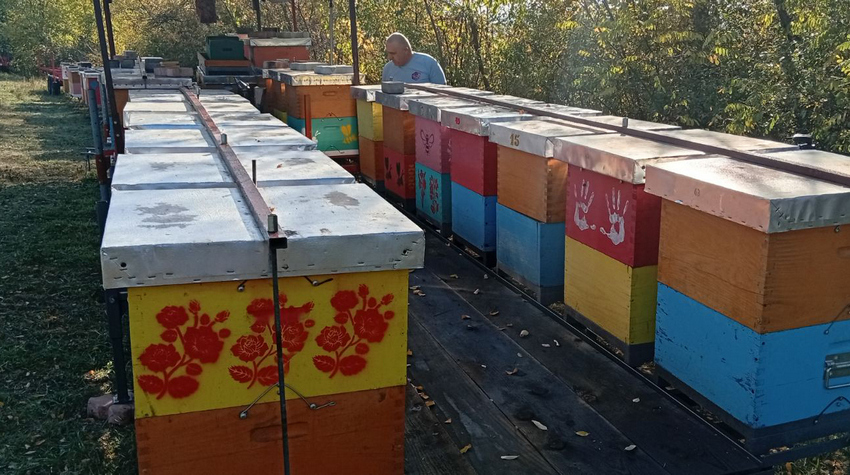
Darko
Marković from Doboj has been involved in beekeeping for 25 years and currently
manages 110 bee colonies.
He
says that no matter how much humans study bees, it is difficult to uncover all
the secrets of their existence. However, one thing is certain: bees are among
the most organised living creatures, demonstrating extraordinary dedication and
a willingness to sacrifice their lives for the survival of the colony.
"A
hive can contain more than 50,000 bees, yet each one knows its role and works
for the benefit of the community rather than for personal gain. Key decisions
concerning the survival of the colony must be made unanimously," Marković
explained.
BEES ALSO COMMUNICATE THROUGH DANCE
Marković
says bees communicate with one another through pheromones, sounds and even
dance, a fascinating behaviour that scientists continue to study.
In the
morning, worker bees leave the hive in search of food. When they discover a
source of nectar, such as the acacia blossoms commonly found in the Republic of
Srpska, they return to the hive and use a special dance to indicate its
direction and encourage other bees to follow them.
"Without
bees, there would be no life, yet I am not sure we appreciate them as much as
we should. Beekeeping may not be an agricultural sector that generates
substantial profits, but without the pollination bees tirelessly provide, we
would have no fruit, many agricultural crops, forage plant seeds, oilseeds or
the biodiversity of our forests," Marković said.
He
spent more than five years living in Colorado, USA, before nostalgia and
patriotism brought him back to Doboj. Today, he hopes to use the knowledge and
experience gained abroad to support rural communities, contribute to agricultural
development and encourage people to appreciate the natural resources
surrounding them.
He
believes that choosing agriculture as his profession and returning home could
inspire others to help preserve rural areas, despite the growing challenges brought
by climate change.
STRONGER LABORATORIES NEEDED TO TEST HONEY QUALITY
Marković,
who is also President of the Beekeepers' Association of the Republic of Srpska,
believes that greater efforts should be made to strengthen and equip
laboratories capable of detecting pesticide poisoning in bees and identifying
counterfeit honey.
"Without
serious chemical analyses, it is impossible to determine whether honey has been
diluted with cheaper syrups. Counterfeit products have become so sophisticated
that they behave similarly to genuine honey," he warned.
He
emphasised that honey produced in the Republic of Srpska is of exceptional
quality, often made from wild and medicinal plants. According to him, the best
way for consumers to ensure they are buying genuine honey is to get to know
local beekeepers and purchase directly from them.
For
this reason, an initiative has been launched to establish a demonstration and
educational apiary near Doboj. The facility would allow consumers to meet local
beekeepers while providing young people with an opportunity to learn about bees
and beekeeping.
The
initiative also aims to attract younger generations to the profession, as the
average age of beekeepers in the Republic of Srpska is approximately 60.
INHALING AIR FROM BEEHIVES – A UNIQUE APITHERAPY EXPERIENCE
Mile
Milojević from the village of Pervan near Banjaluka has been keeping bees for
40 years and currently manages more than 150 beehives at three locations.
He
inherited his passion for beekeeping from his father, and his interest grew
over the years as he studied specialist literature to learn more about bees,
their habits and the benefits of bee products.
Nine
years ago, he came up with the idea of opening an api-chamber – a specially
designed wooden room that provides an environment for apitherapy, allowing
visitors to inhale air from beehives through a dedicated system.
Milojević
explained that the hive used for inhalation contains approximately 30,000 bees.
According to him, the air carries substances associated with honey, royal
jelly, bee bread, pollen and other bee products.
He
also says that visitors can experience the calming atmosphere created by the
scents of bee products absorbed by the wooden panelling covering the chamber's
walls.
Milojević
claims that inhalation sessions can help people dealing with bronchitis,
asthma, lung and heart conditions, depression, stress and severe migraines.
He
also offers free treatments to people with pulmonary fibrosis, sharing his
experience with a patient whose condition he says improved significantly
following sessions in the api-chamber.
His
claims about the therapeutic effects of apitherapy have not been independently
established and should not be considered a substitute for medical treatment.
RAISING AWARENESS OF THE IMPORTANCE OF BEES
Milojević
identifies pesticides, counterfeit honey and difficulties in bringing products
to market amid competition from imported honey as some of the biggest
challenges facing beekeepers.
He
also believes that many people are insufficiently aware of the importance of
bees and the benefits they provide.
"People
spray their orchards without notifying us in advance, so that we can protect
our bees. That is why apiaries are often located in natural surroundings, away
from populated areas," he explained.
Another
beekeeper from Banjaluka, Željko Ivić, has been involved in the profession for
10 years and currently keeps around 70 beehives.
For
him, beekeeping is much more than an agricultural activity. As a war veteran
with a disability who has undergone leg amputation, he sees working with bees
as a special form of rehabilitation.
"I
started beekeeping almost by accident. A friend gave me a hive after I once
helped him transport bees. I immediately fell in love with it and bought
another four or five hives. That passion has continued to grow ever
since," Ivić said.
BEEKEEPING AS A FORM OF REHABILITATION
Ivić
says that the scents, buzzing sounds and constant activity of bees, combined
with spending time outdoors, provide him with motivation and strength to
overcome everyday challenges.
He
moves his colonies depending on the season, taking them to different locations
where acacia, lime trees and chestnut trees provide suitable sources of nectar.
He
says that transporting the bees, sometimes over distances of up to 200
kilometres, is not a burden but an essential part of his commitment to
beekeeping.
Ivić
also wants to correct a common misconception among consumers: the belief that
crystallised honey is no longer good.
"When
honey begins to crystallise from the bottom upwards, it means it is genuine
honey. Crystallisation is a completely natural process. The best way to ensure
you are buying real honey is to purchase it from a local beekeeper you
know," he explained.
VARROA MITE AMONG THE BIGGEST THREATS TO BEES
Ivić
identified the Varroa mite as one of the most serious problems in beekeeping,
as it transmits viruses that bees sometimes struggle to fight off.
The
high cost of equipment needed to develop his apiary is another major challenge.
In
this regard, he receives valuable support from the Organisation of Amputees of
the Republic of Srpska – UDAS.
He is
a member of the association of beekeepers with disabilities and women,
"Pčelica", established as part of a project promoting beekeeping as a
means of empowering landmine victims.
The
project is implemented by UDAS in cooperation with partners from Slovenia.
Ivić
says that the support he receives through the initiative has been essential in
helping him obtain the equipment and resources needed to care for his bees.
The
experiences of these three beekeepers highlight the importance of protecting
bees, supporting local honey producers and encouraging younger generations to
take an interest in beekeeping – an activity that contributes far beyond the
production of honey, sustaining agriculture, biodiversity and rural
communities.

Join our
Viber Community

"WHAT WE GIVE TO OTHERS IS WHAT TRULY BELONGS TO US" – LET'S HELP NATAŠA
STANA KNEŽEVIĆ WINS THE AWARD FOR THE BEST PIE AT THE DOMESTIC PRODUCTS FAIR IN TRNOVO
BEEKEEPERS HIGHLIGHT THE REMARKABLE DEDICATION OF BEES
SNOW COVERS MANY PARTS OF THE REPUBLIC OF SRPSKA AS WINTER ARRIVES
YOUNG CHAMPIONS OF HUMANITY: THREE STUDENTS FROM SEMBERIJA WIN FIRST PLACE
AUTUMN MAGIC IN ROMANIJA: DISCOVER THE BEAUTY OF SOKOLOVIĆI VILLAGE
SNOW COVERS MANY PARTS OF THE REPUBLIC OF SRPSKA AS WINTER ARRIVES
HOW A YOUNG WOMAN FROM PALE EARNED HER DOCTORATE IN MOSCOW
A WEEK OF ITALIAN FLAVOURS AT BANJA LUKA’S DELTA PLANET

WHATSAPP IS CHANGING ITS LOOK: HERE’S WHAT ANDROID USERS CAN EXPECT


 The situation at the border crossings