GENERATION Z CONSUMER HABITS ARE RESHAPING HOTEL AND RESTAURANT STRATEGIES
Generation Z is exerting a growing influence on the hospitality industry, transforming how restaurants and hotels plan technology investments, design guest experiences, and manage revenue. While older generations are dining out less frequently, younger consumers are showing unexpected resilience and a willingness to spend — but under different conditions.

According to an analysis by Revenue Management
Solutions (RMS), which processes transaction and consumer behavior data from
more than 120 global hospitality brands, the market is clearly divided.
Consumers earning under $50,000 annually remain financially constrained, while
the QSR (quick-service restaurant) segment in the United States is seeing fewer
visits overall but a higher average check. In this environment, Generation Z
stands out as a key growth driver.
GENERATION Z AS A GROWTH ENGINE IN HOSPITALITY
In the final quarter of 2025, Generation Z
increased visits to quick-service restaurants by 34 percent, despite declining
frequency among older generations. Notably, 40 percent of young consumers
reported spending more on restaurants than the previous year, expressing
optimism about dining out even more often in the near future.
For restaurant owners, hoteliers, and
technology executives, this is more than a demographic statistic — it is a
clear signal of where digital infrastructure and personalization investments
are likely to generate the strongest return.
EXPERIENCE OVER PRICE: WHAT GENERATION Z REALLY VALUES
Although Generation Z is often described as
digitally driven and price-sensitive, RMS data presents a more nuanced picture.
As many as 78 percent dine at a restaurant at least once a week, while 22
percent plan to increase the frequency of their visits.
Interestingly, 25 percent of Generation Z
consumers are increasingly choosing full-service restaurants — nearly three
times the rate of baby boomers.
For this generation, value extends beyond
price. Transparency, personalization, and quality of interaction are just as
important as digital convenience. Young guests seek experiences that seamlessly
blend the online and physical worlds, without aggressive discounting or forced
sales tactics.
THREE KEY SIGNALS FOR HOSPITALITY TECHNOLOGY TEAMS
1. Personalization as the Standard, Not the
Exception
Generation Z expects continuity — systems that
“remember” them across mobile apps, loyalty programs, and in-property
experiences. Personalization must be embedded into technological infrastructure
rather than treated as a one-off marketing campaign. Consistency across
locations and communication channels is becoming critical, especially in
franchise systems.
2. The Physical Experience as Part of the
Digital Ecosystem
While digital tools are now standard, physical
spaces still hold significant value. Young guests expect clear information
about availability, wait times, and pricing, along with simple ordering,
check-in, and payment processes. Loyalty programs must function seamlessly,
without technical disruptions.
3. Flexible Revenue Management Strategies
As Generation Z and millennials increase visit
frequency, older consumers are pulling back. This makes static pricing models
and one-size-fits-all offers less effective. Advanced analytics, artificial
intelligence, and smart revenue management systems enable businesses to adjust
pricing, menus, and packages to match real-time local and generational demand.
TECHNOLOGY INFRASTRUCTURE AS THE FOUNDATION FOR 2026 GROWTH
The transformation of hospitality in 2026 will
not depend on a single tool or platform, but on how well systems are integrated
and aligned with actual guest behavior. Key priorities include integrating POS
systems, CRM platforms, loyalty programs, and digital ordering solutions, as
well as leveraging AI-driven insights for pricing and operational decisions.
Generation Z is already shaping the future of
hospitality — a future where value is defined by the quality of experience and
technology is intuitive, unobtrusive, and guest-centered.
Businesses that adapt their digital and
operational strategies to meet these evolving expectations will gain a decisive
advantage in building loyalty and achieving long-term profitability in an
increasingly competitive market.

Join our
Viber Community
TRAVELING BY CAMPERVAN FOR THE FIRST TIME? HERE’S WHAT YOU SHOULD KNOW BEFORE YOU GO
NEW RAIL LINK BETWEEN REPUBLIKA SRPSKA AND SERBIA: DAILY TRAIN SERVICE FROM ZVORNIK TO BELGRADE
‘DRŽAVNI POSAO’ CREW FILMS NEW PROJECT IN TREBINJE

SEE SRPSKA RECEIVES CHARTER FROM BANJA LUKA TOURIST ORGANIZATION
GALIJA TO CELEBRATE MAJOR ANNIVERSARY IN BANJA LUKA
SEE SRPSKA RECEIVES CHARTER FROM BANJA LUKA TOURIST ORGANIZATION
NEW RAIL LINK BETWEEN REPUBLIKA SRPSKA AND SERBIA: DAILY TRAIN SERVICE FROM ZVORNIK TO BELGRADE
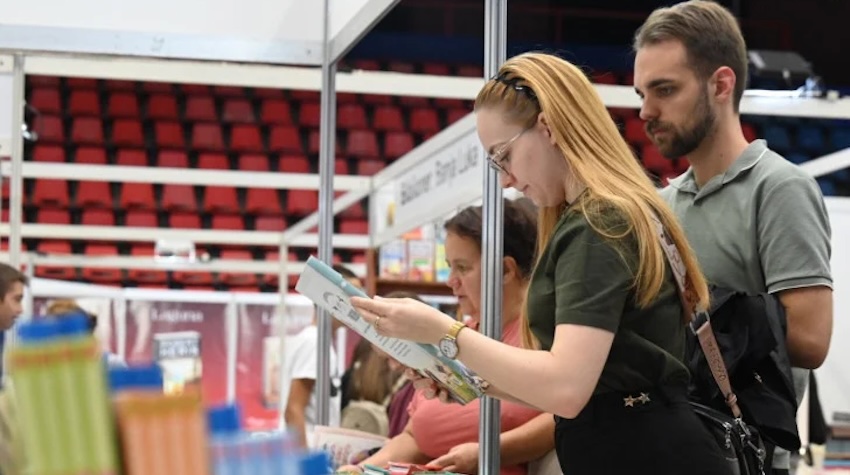
BANJA LUKA BOOK FAIR 2026 OPENS TODAY
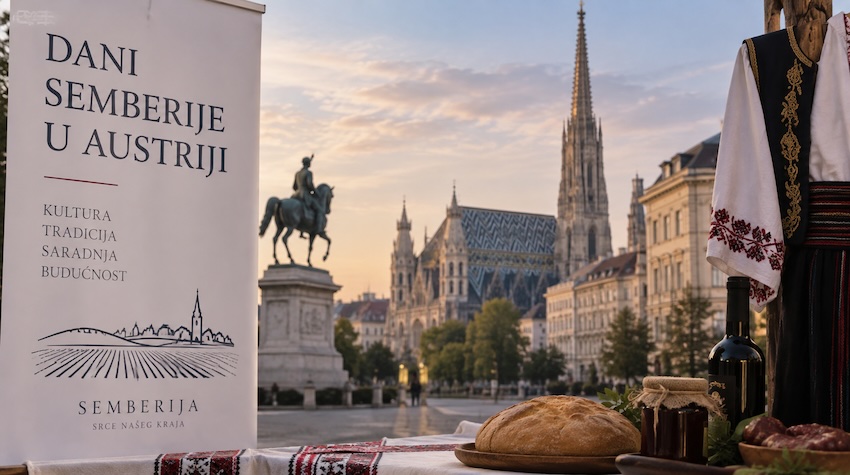
DAYS OF SEMBERIJA IN AUSTRIA: CULTURE, TRADITION AND LOCAL PRODUCTS PRESENTED TO AUSTRIAN AUDIENCES

FROM EUROPEAN STAGES TO HER HOMETOWN: JOVANA RALJIĆ BRINGS VIVALDI TO BANJALUKA

 The situation at the border crossings