PALERMO WITHOUT A FILTER
Wild yet seductive, messy yet lavish, rough yet full of warmth, raw yet full of charm, old yet tirelessly alive — that is Palermo.
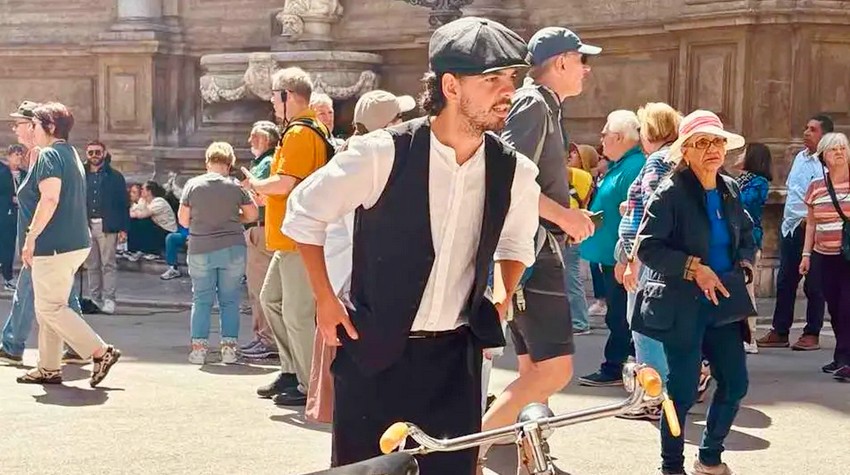
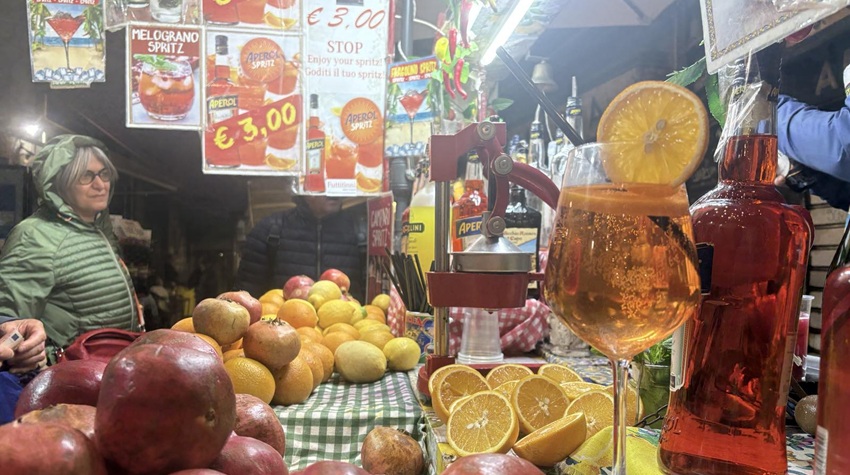
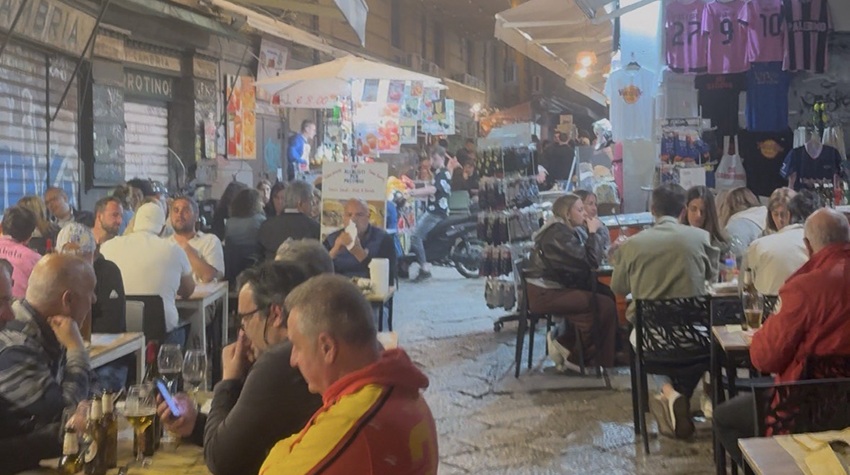
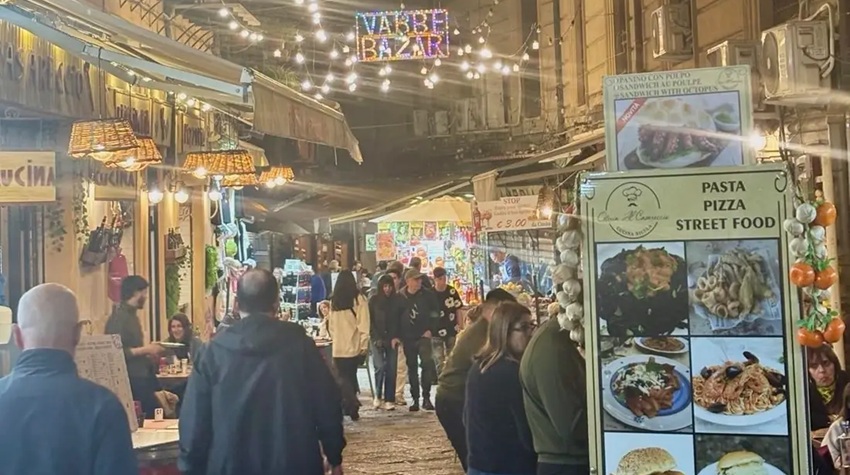
If you come to Sicily’s largest city expecting the polished elegance of Milan, you’ll get raw aesthetics instead. If you’re looking for the romantic backdrop of Venice, you’ll find a loud, unfiltered reality. And if you seek the monumental stage of Rome, you’ll encounter chaos that directs its own scene.
Layers of history
Palermo is not like this by accident. It is a city shaped by the Phoenicians as a port, by the Arabs as a city of gardens and scents, and by the Normans as a seat of power. Everything that came later — the Spanish and the Bourbons — didn’t erase those layers, but only tangled them further. In every sense, this is a city of many layers.
The rhythm of the streets
Wherever you go, sooner or later you’ll find yourself on Via Maqueda or Corso Vittorio Emanuele — the two main arteries that cut through Palermo and define its rhythm: one narrower, livelier, and pedestrian; the other wider, older, and more monumental.
The clash of chaos and beauty
Walking along them is a constant collision. Noise, crowds, people from all sides — and yet it’s beautiful, because within that chaos, views open up onto squares, churches, and façades that remind you why you’re here. Everything converges at Quattro Canti, where four streets meet — an intersection whose gently curved building corners form a perfect circle. People stop, turn around, and for a brief moment, even the crowd arranges itself into a frame that looks almost harmonious.
To be continued
Read the rest of the story on the Hedonist magazine website.

Join our
Viber Community
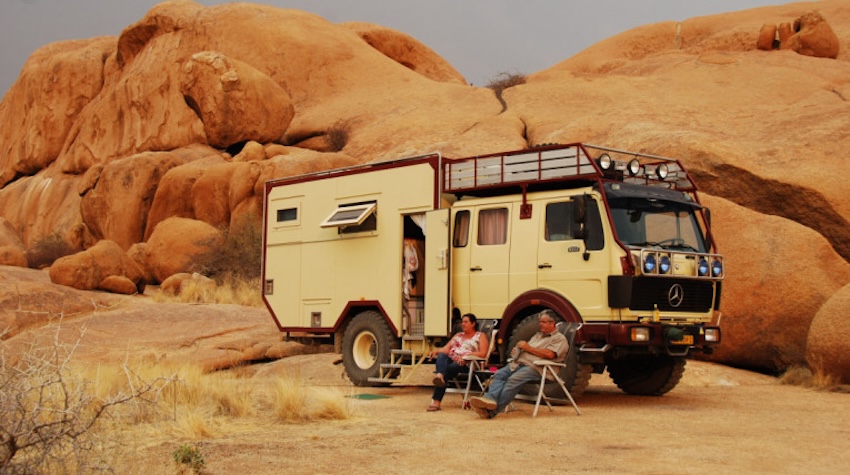
TRAVELING BY CAMPERVAN FOR THE FIRST TIME? HERE’S WHAT YOU SHOULD KNOW BEFORE YOU GO
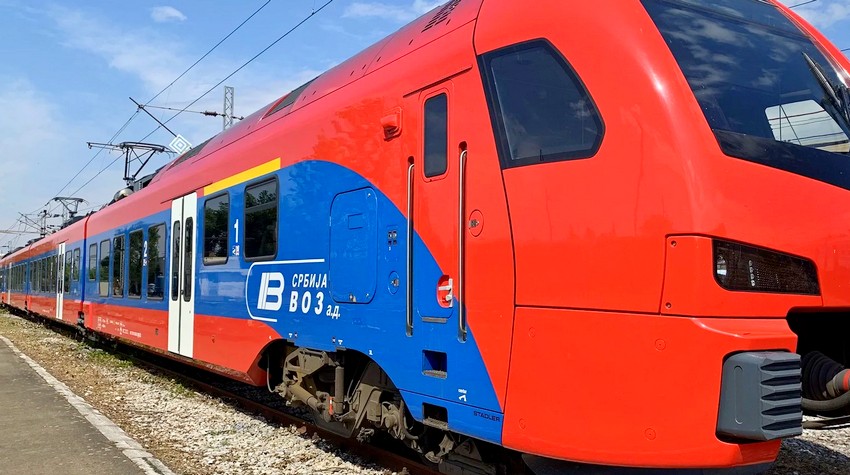
NEW RAIL LINK BETWEEN REPUBLIKA SRPSKA AND SERBIA: DAILY TRAIN SERVICE FROM ZVORNIK TO BELGRADE
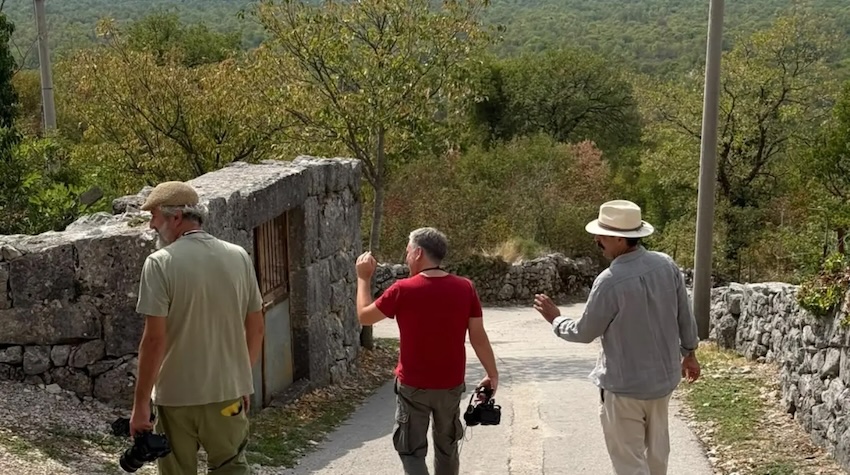
‘DRŽAVNI POSAO’ CREW FILMS NEW PROJECT IN TREBINJE
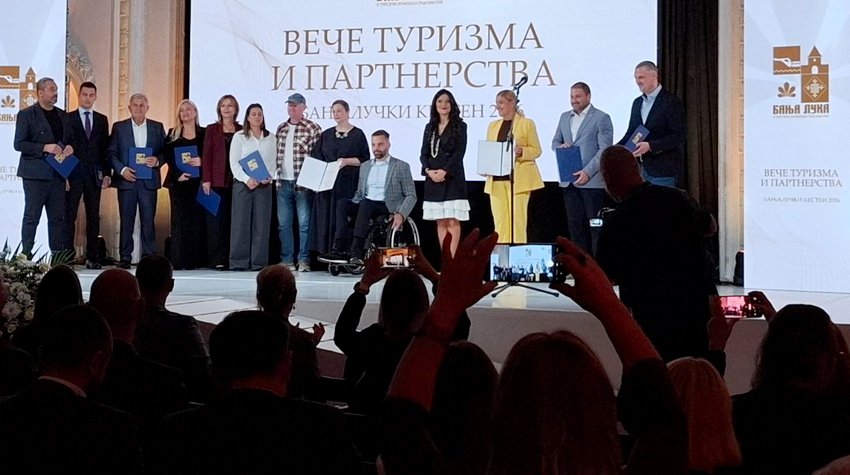
SEE SRPSKA RECEIVES CHARTER FROM BANJA LUKA TOURIST ORGANIZATION
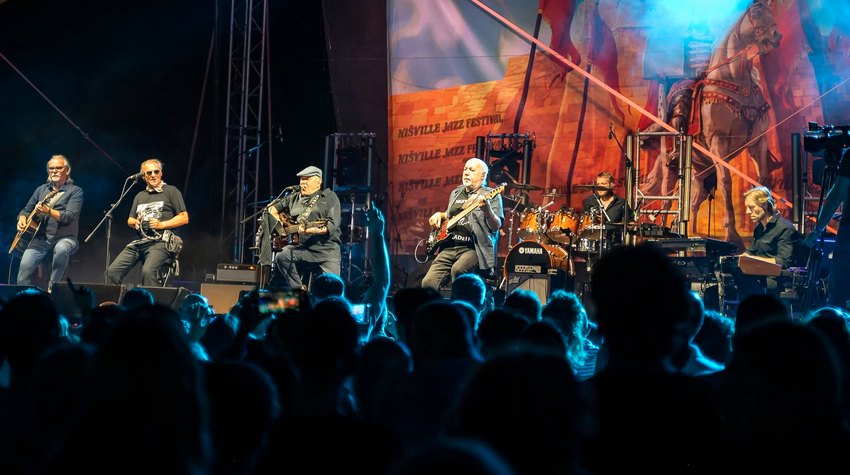
GALIJA TO CELEBRATE MAJOR ANNIVERSARY IN BANJA LUKA
SEE SRPSKA RECEIVES CHARTER FROM BANJA LUKA TOURIST ORGANIZATION
NEW RAIL LINK BETWEEN REPUBLIKA SRPSKA AND SERBIA: DAILY TRAIN SERVICE FROM ZVORNIK TO BELGRADE
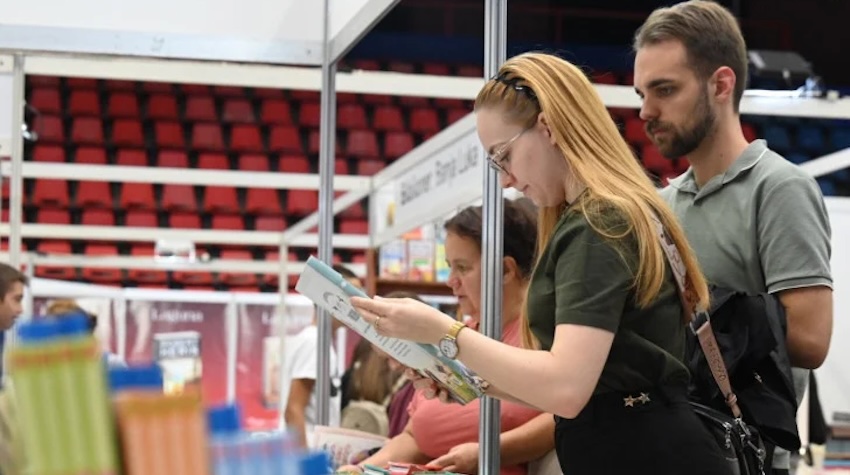
BANJA LUKA BOOK FAIR 2026 OPENS TODAY
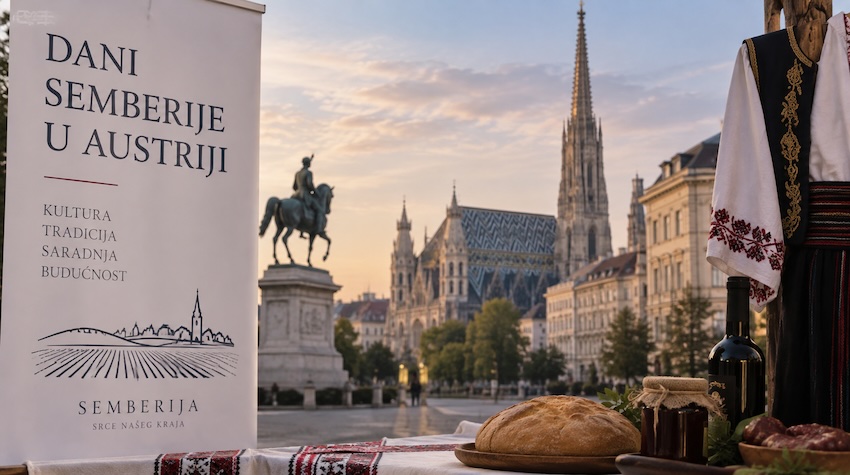
DAYS OF SEMBERIJA IN AUSTRIA: CULTURE, TRADITION AND LOCAL PRODUCTS PRESENTED TO AUSTRIAN AUDIENCES
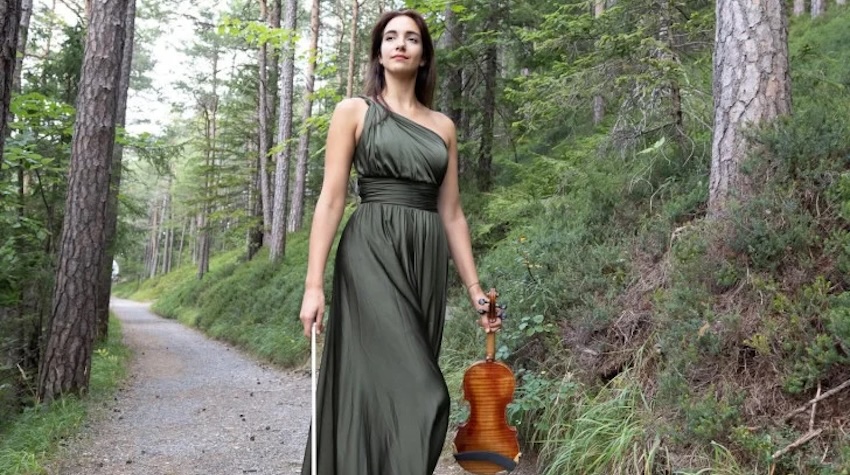
FROM EUROPEAN STAGES TO HER HOMETOWN: JOVANA RALJIĆ BRINGS VIVALDI TO BANJALUKA

 The situation at the border crossings