THE HOMELAND MUSEUM IN BILEĆA - A SYMBOL OF CULTURAL HERITAGE AND ARCHITECTURAL MEMORY
The Homeland Museum in Bileća, once one of the most significant cultural institutions in eastern Herzegovina, today stands as a warning and a reminder of a rich heritage awaiting restoration.
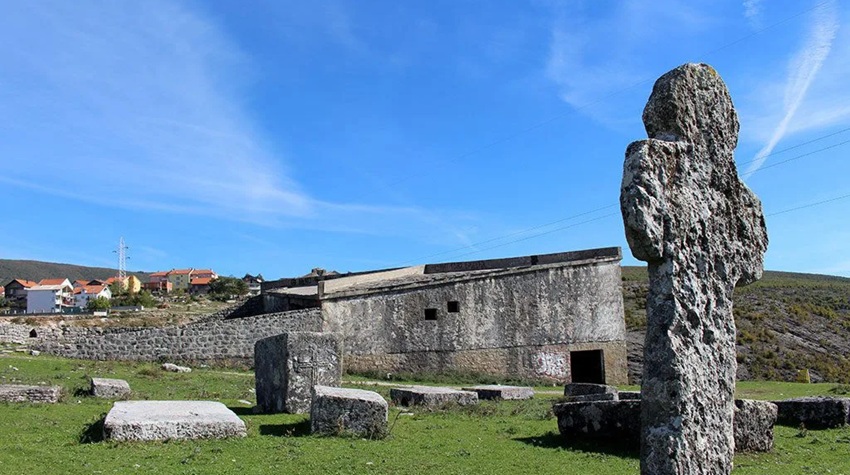
Experts in architecture and art history agree that this building must be preserved and reconstructed in a way that maintains its authenticity while also allowing for a new, contemporary function. Art historian and curator Biljana Jotić emphasizes that the museum building should be viewed as an independent architectural work.
“The essence is that the museum building itself must be observed separately, as an authored work based on clear creative principles. That is precisely why we speak of it as an object of architectural historiography,” Jotić noted.
Professor of Architecture at the University of Belgrade, Ivan Rašković, believes that the museum’s restoration represents a challenge that can be either simple or complex, depending on the approach.
“Everything depends on the organization and the method of implementation. The most important thing is to properly conceptualize the idea, because the reason for the museum’s existence is unquestionable. Homeland museums are a kind of ‘clinics’ of a territory – they collect, preserve, and present artifacts that testify to the identity of a region,” Rašković said.
Professor Jelena Ivanović Vojvodić also stresses the importance of preserving the original architectural concept.
“All interventions must comply with conservation requirements, through carefully designed reconstruction. In this way, authenticity is preserved while the building’s life is extended,” she explained.
Destroyed in a Fire
The museum in Bileća was built in 1969 according to the design of the renowned architect Juraj Neidhardt, a collaborator of the famous Le Corbusier. That same year, the project won first prize at the International Architecture Biennale in Oslo. Located on the shores of Lake Bileća, it was conceived as part of a broader ethno-park concept. Its value was further enhanced by its proximity to a necropolis with stećci (medieval tombstones) dating from the 12th to 16th centuries. Unfortunately, the museum was severely damaged in a fire in 1993.

Join our
Viber Community
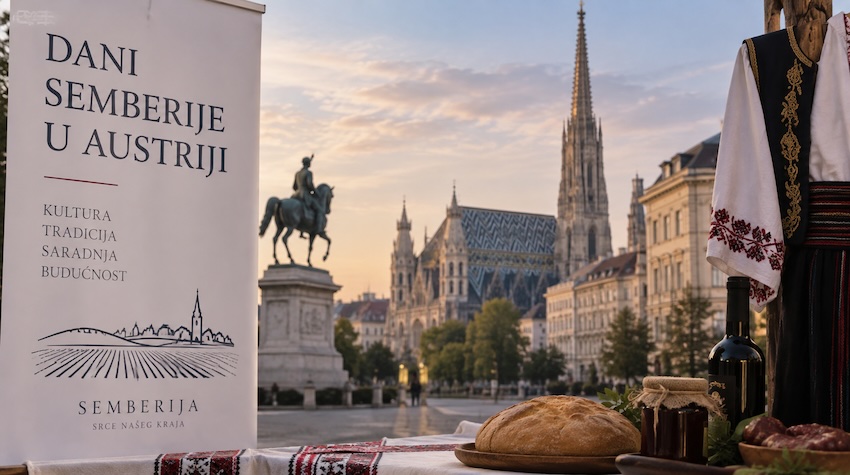
DAYS OF SEMBERIJA IN AUSTRIA: CULTURE, TRADITION AND LOCAL PRODUCTS PRESENTED TO AUSTRIAN AUDIENCES

BANJA LUKA BOOK FAIR 2026 OPENS TODAY
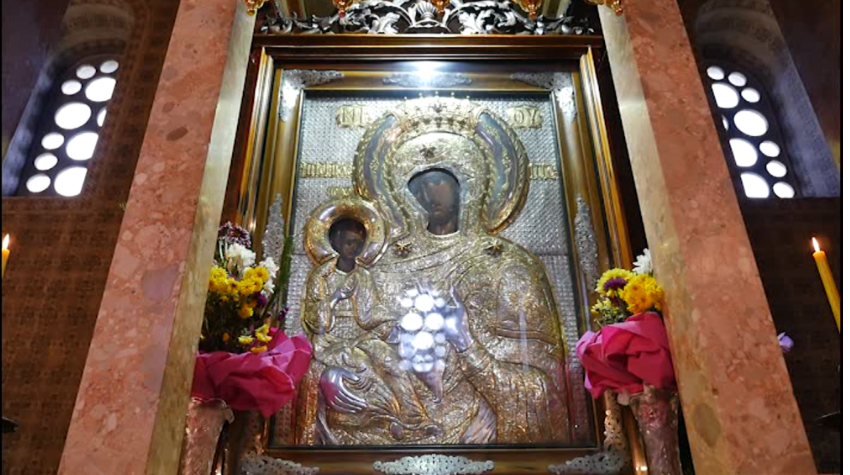
THE PEOPLE PROTECTED THE SACRED ICON, BELIEVING IT WAS PROTECTING THEM: THE STORY OF THE ČAJNIČE KRASNICA

APPEAL FOR HELP: BLOOD DONORS URGENTLY NEEDED FOR NATAŠA ĆEJIĆ IN BANJA LUKA

NEW GENERATION OF STUDENT THEATRE MEMBERS TAKES THE STAGE
APPEAL FOR HELP: BLOOD DONORS URGENTLY NEEDED FOR NATAŠA ĆEJIĆ IN BANJA LUKA

DEJAN KOKANOVIĆ CONQUERS 336 KM THROUGH THE ITALIAN ALPS

OKTOBERFEST KICKS OFF IN MUNICH, EXPECTING 6.5 MILLION VISITORS
DAYS OF SEMBERIJA IN AUSTRIA: CULTURE, TRADITION AND LOCAL PRODUCTS PRESENTED TO AUSTRIAN AUDIENCES

AUTUMN FRUITS AND HONEY FESTIVAL COMES TO BANJALUKA


 The situation at the border crossings